Divided on the Hill: How America Views Trump’s Handling of the West Asia Crisis

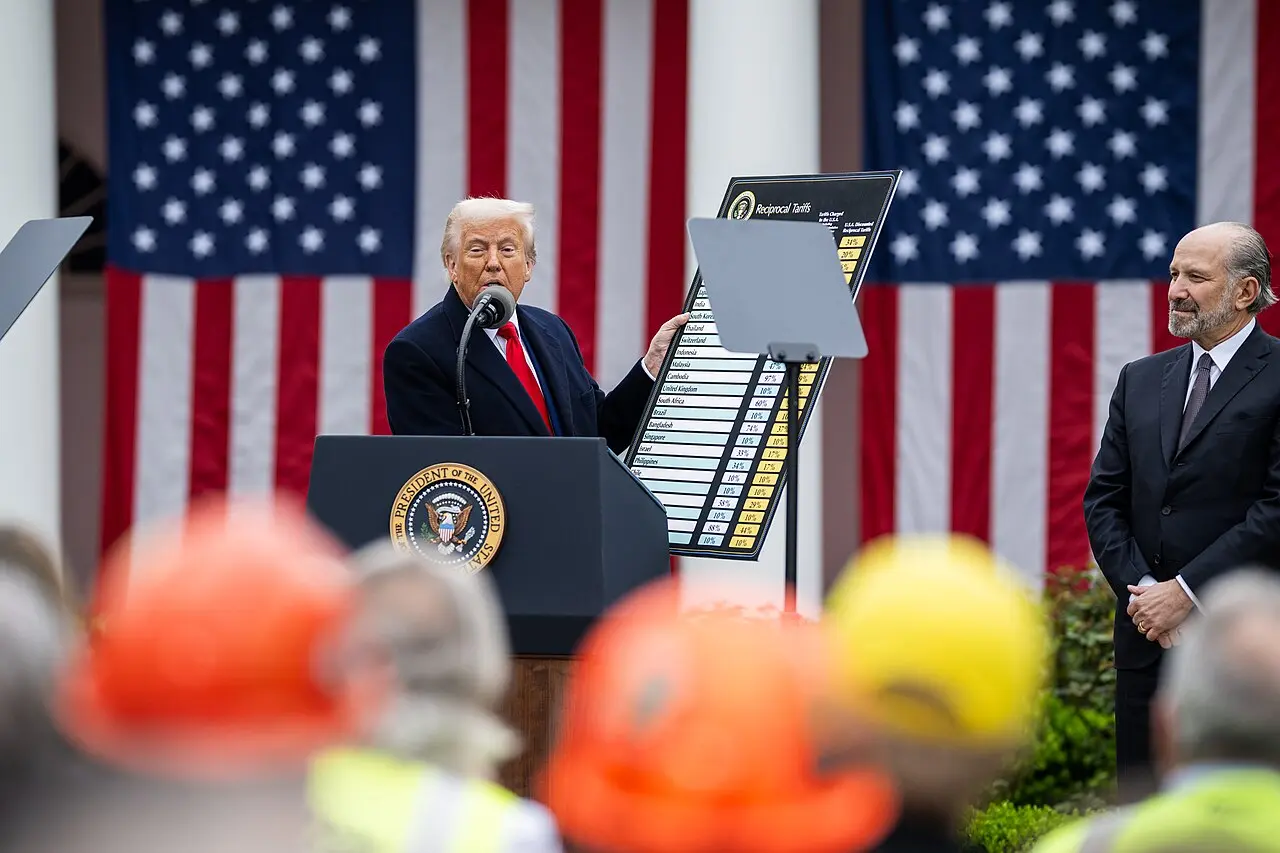
With a fragile ceasefire in the West Asia conflict hanging by a thread and US negotiators preparing for another round of talks with Iran in Pakistan, President Donald Trump’s approach to the region is under intense scrutiny from the American public and both parties in the Senate. The administration’s military campaign — which included joint strikes with Israel on Iranian nuclear and military sites in mid-2025, followed by a naval blockade of Iranian ports and the Strait of Hormuz — has produced a complex ledger of tactical gains and strategic risks. As Trump warns that he may not extend the…

The deadly shadow market feeding the world’s weight-loss drug obsession

They were supposed to be miracle injections: weekly shots that could tame type 2 diabetes and melt away stubborn kilograms with remarkable ease. But for growing numbers of patients around the world, the promise of Ozempic, Wegovy, Mounjaro and Zepbound has been replaced by fear — fear that the pen in their hand is fake, contaminated or completely useless. A sophisticated global black market, fuelled largely by raw pharmaceutical ingredients from China, is flooding countries with counterfeit and substandard versions of these blockbuster GLP-1 drugs. What began as a medical breakthrough has become a public health headache stretching from boardrooms…

A quota undone by caution

On the evening of April 17th, as rain pattered on the Parliament complex, a small knot of women MPs from the ruling BJP-led coalition raised slogans under sodden umbrellas. Their protest was theatrical but heartfelt: the Constitution (131st Amendment) Bill, 2026, had just been defeated in the Lok Sabha. It was the first time in 12 years that a constitutional amendment introduced by Narendra Modi’s government had fallen short. The numbers were unambiguous: 298 votes in favour, 230 against. A two-thirds majority of those present and voting—some 352—was required. The bill failed by a wide margin. The legislation had been…

Asia’s energy shock

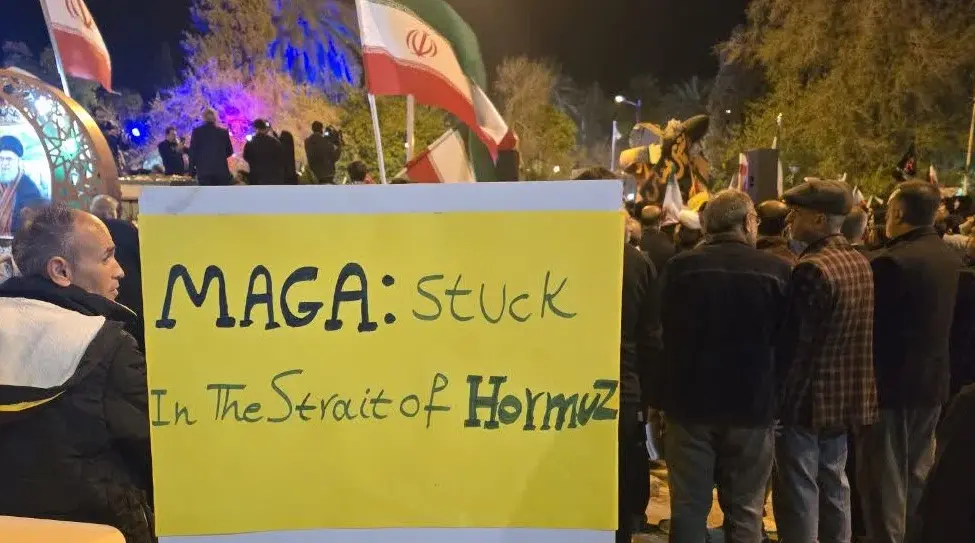
The Strait of Hormuz, a channel barely three kilometres wide at its narrowest point, has once again demonstrated its power to unsettle the global economy. On April 18th, Iranian gunboats fired on a tanker in the waterway, and Tehran announced the re-imposition of restrictions, accusing America of violating the fragile ceasefire. Roughly one-fifth of the world’s seaborne oil — about 20 million barrels per day before the conflict — normally passes through this chokepoint. For Asia the stakes could hardly be higher. In 2025, the region sourced nearly 60% of its crude imports from the Middle East, with China, India,…

China’s surprising spring

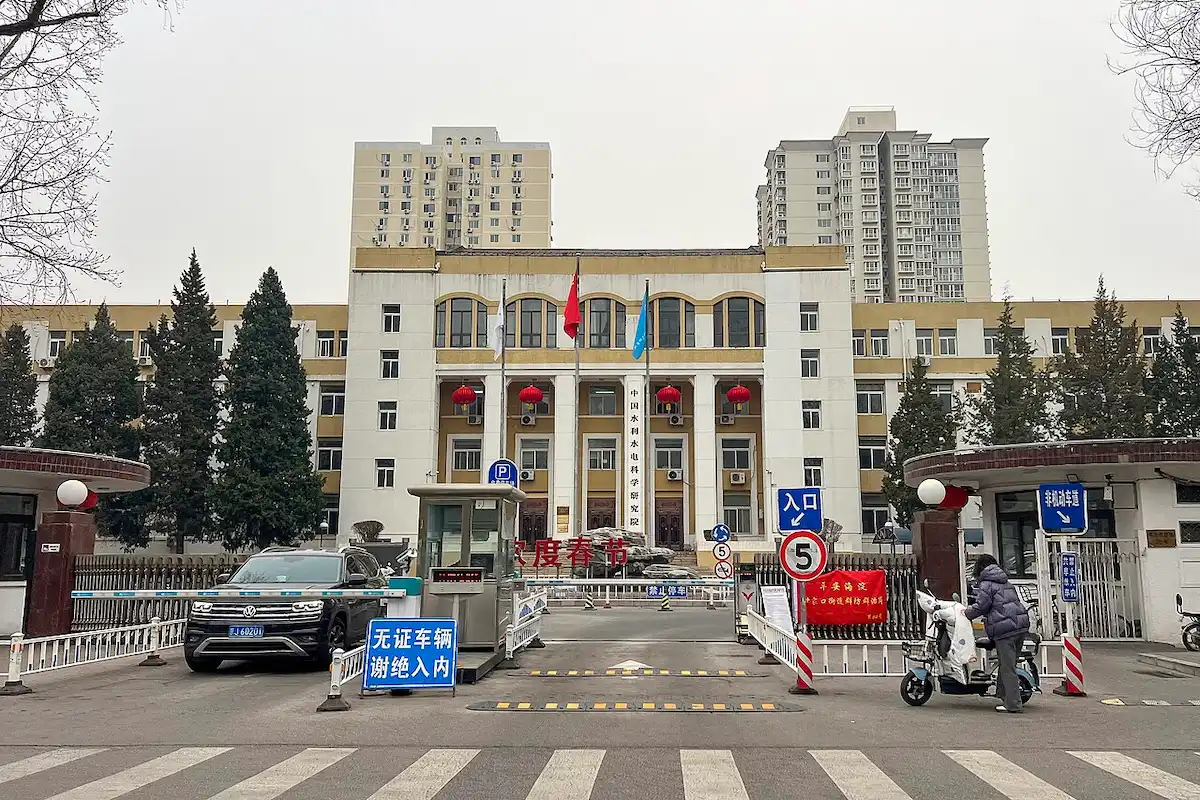
On April 16th China’s National Bureau of Statistics released its first-quarter GDP figures for 2026. The economy expanded by 5.0% year on year, beating analysts’ forecasts of 4.8% and accelerating from the 4.5% recorded in the final quarter of 2025. In nominal terms output reached 33.42trn yuan ($4.87trn). For a country that set its full-year growth target at 4.5-5.0% and that is navigating the fallout from war in the Middle East, the number was striking. The performance stands in contrast to the global picture. The conflict that began on February 28th between America, Israel and Iran has driven up energy…

Nepal’s Rapper Prime Minister Faces First Tests: Arrests, Reforms and the Hard Reality of Power

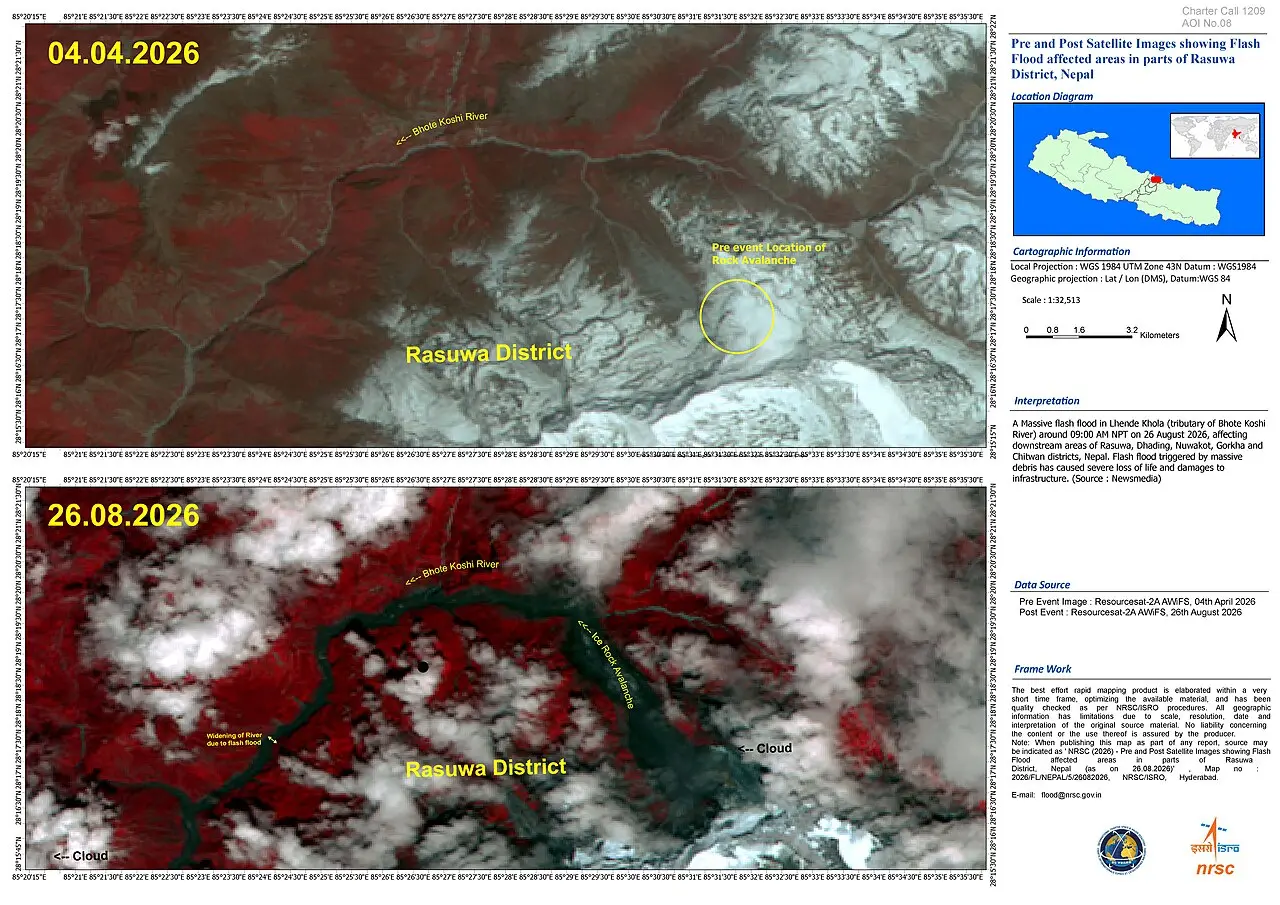
Barely three weeks after being sworn in as Nepal’s youngest-ever prime minister on 27 March 2026, Balendra Shah – the 35-year-old former underground rapper known as Balen – is discovering that winning power is easier than wielding it.His Rastriya Swatantra Party secured a historic landslide in the 5 March election, winning 182 of 275 seats in parliament and delivering the first single-party majority in Nepal in decades. The victory followed months of turmoil triggered by Gen Z-led protests in September 2025, which toppled the previous government amid deadly clashes, widespread arson and deep public anger over corruption, youth unemployment and…

India in a Time of Global Energy Uncertainty: Confidence, Caution, and Course Correction

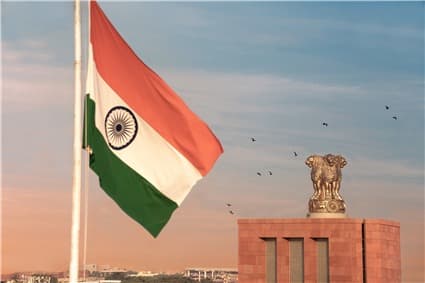
The global economy today stands at a critical inflection point. Geopolitical tensions, particularly in keyenergy-producing regions, have once again exposed the fragility of global supply chains and the deep interlinkages between politics and economics. Oil prices remain volatile—hovering in the range of $75–95 per barrel in recent periods—while inflationary pressures persist across continents and growth forecasts continue to be revised downward. For energy-importing nations, the situation is especially complex, demanding not only resilience but strategic foresight. India, as one of the world’s fastest-growing major economies and the third-largest oil importer globally, finds itself at the centre of this unfolding global…

A Strategic Conversation Amid Rising Tensions

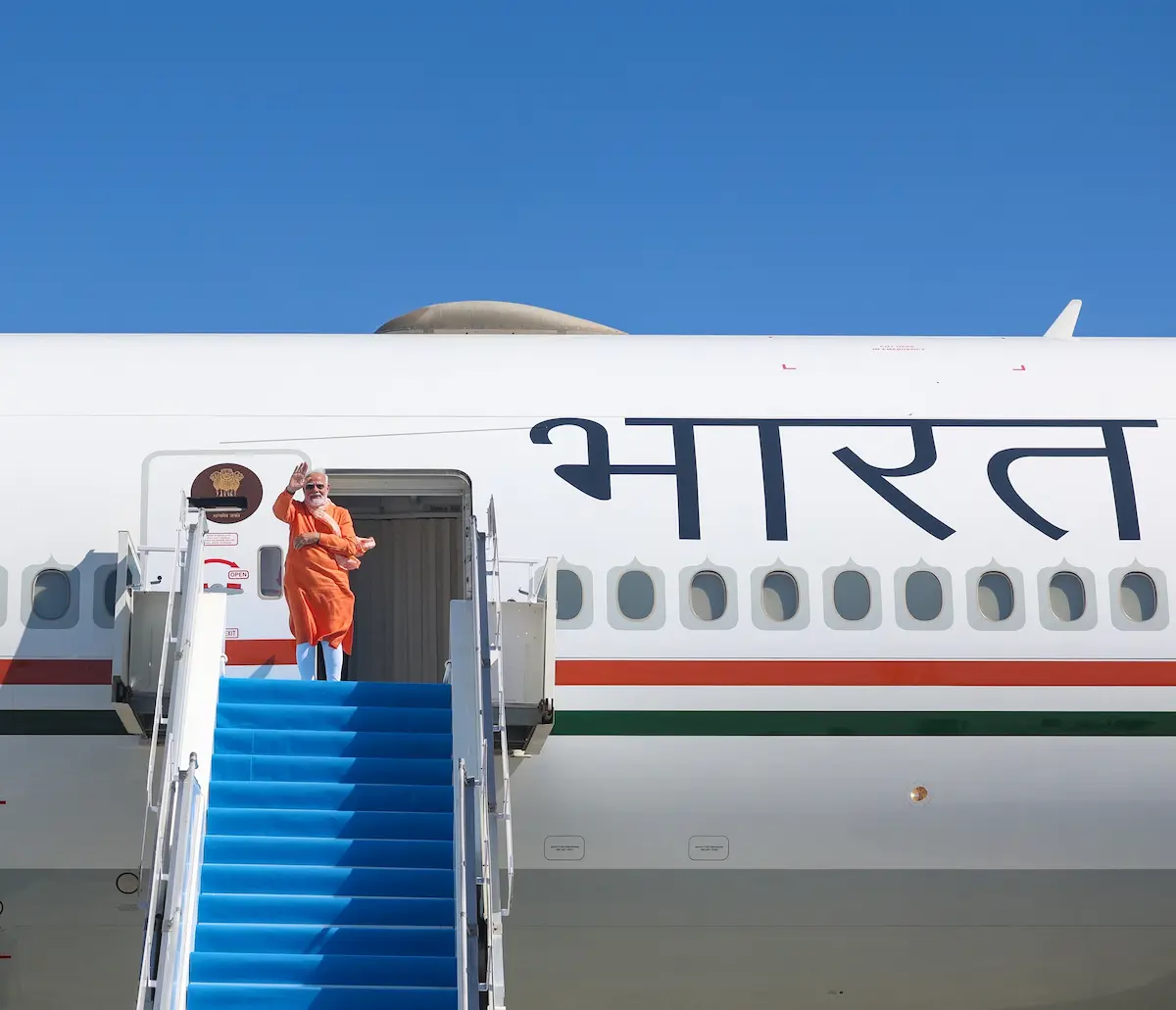
Two days after the collapse of direct negotiations between the United States and Iran in Islamabad, President Donald Trump held a nearly 40-minute telephone conversation with Indian Prime Minister Narendra Modi on April 14. The call, the third between the two leaders this year, focused on the volatile situation in West Asia and the critical need to keep the Strait of Hormuz open and secure for global shipping. It came as Washington announced a naval blockade of Iranian ports and amid speculation about possible further talks between the two adversaries. The timing was telling. The Islamabad talks, which stretched over…

The art of the deal, revisited

History will record that the great dealmaker came to Islamabad, saw, and somehow still managed to tweet about it as a tremendous success. Donald Trump’s much-vaunted diplomatic foray into brokering peace between America and Iran has ended, as so many of his grand projects do, in a cloud of recrimination, bruised egos, and a fresh set of tariffs. The setting was promising enough. Pakistan, playing unlikely honest broker, had rolled out the red carpet, complete with banners proclaiming “Islamabad Talks” and carefully staged photographs of flags fluttering in harmonious unison. For a few hopeful hours it appeared that even the…

A Fragile Truce Unravels

The collapse of direct talks between the United States and Iran in Islamabad marks a sobering setback for efforts to stabilise a region already strained by six weeks of conflict. After 21 hours of negotiations, which began on April 11 and stretched into the early hours of April 12, the two sides departed without an agreement. Vice-President JD Vance, leading the American delegation, described the Iranian response as a refusal to accept Washington’s “final and best offer”. Iranian officials and state media countered that the American demands were excessive and failed to build trust. President Donald Trump, posting on Truth…

India launches its largest-ever census, reopening a century-old debate over caste and equity

More than three million enumerators fanned out across India this week to begin the monumental task of counting the country’s roughly 1.4 billion people, launching a yearlong exercise that for the first time in nearly a century will systematically record every citizen’s caste. The census — delayed for years by the COVID-19 pandemic and logistical hurdles — is no routine headcount. Its findings will shape welfare programs, political representation, the allocation of parliamentary seats and the future of affirmative action in the world’s most populous nation for the next decade or more. Officials described the operation as the first fully…

In five Indian state elections, a test of Modi’s reach — and the resilience of regional power

Voters in India turned out in record numbers Thursday in Assam, Kerala and the union territory of Puducherry, kicking off a sprawling set of state assembly elections that will shape the country’s political landscape heading into the next national vote in 2029. With polling still to come in Tamil Nadu later this month and in two phases in West Bengal, the contests involving more than 824 seats and nearly 17 crore eligible voters have become a high-stakes barometer for Prime Minister Narendra Modi’s Bharatiya Janata Party. Can the BJP extend its dominance beyond its traditional strongholds in the north and…

A Nobel Gesture in Lahore

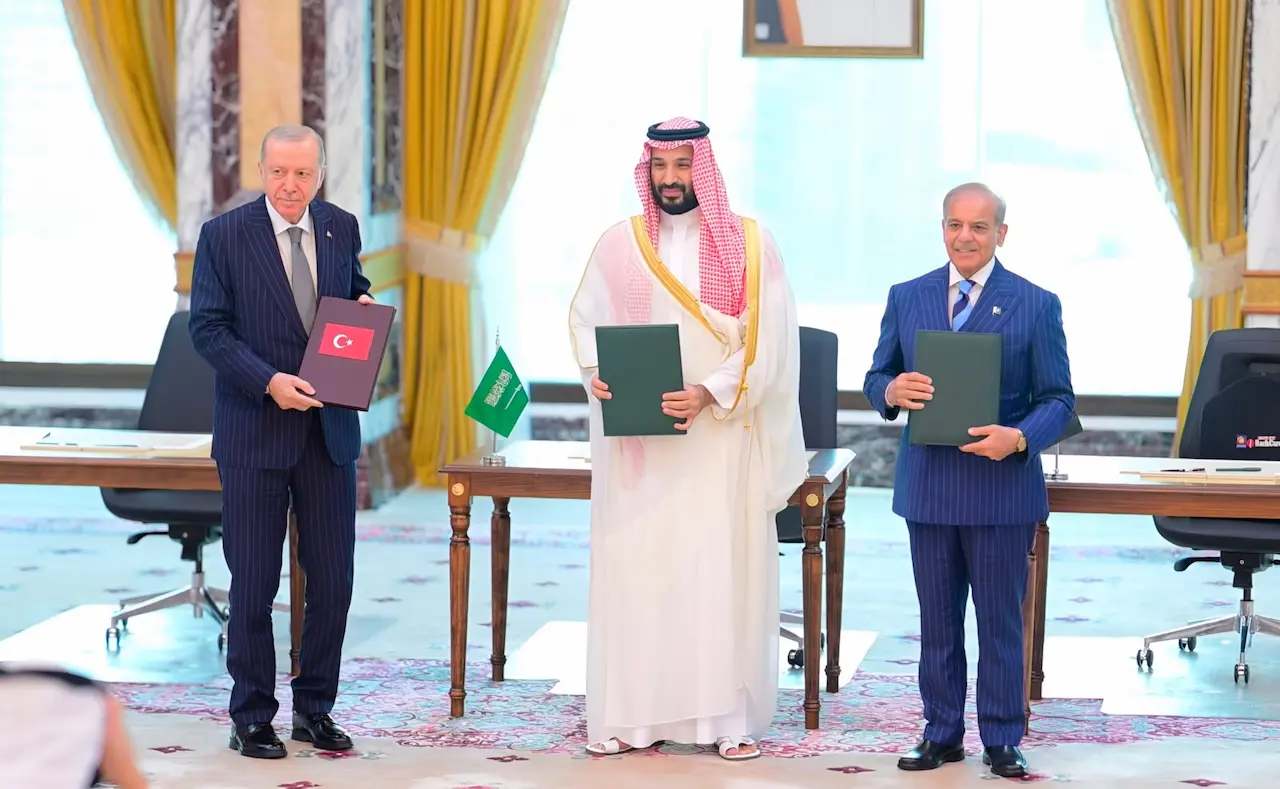
In the grand chamber of Punjab’s provincial assembly, a resolution tabled on Thursday has a distinctly ambitious ring. Rana Arshad, A lawmaker from the ruling Pakistan Muslim League-Nawaz (PML-N) has proposed nominating Chief of Army Staff Field Marshal Gen Asim Munir, Prime Minister Shehbaz Sharif and Foreign Minister Ishaq Dar for the Nobel Peace Prize. The motion credits the three with “effective diplomacy” that helped secure a fragile two-week ceasefire between the United States and Iran and paved the way for direct talks in Islamabad this weekend. The timing is no coincidence. Hostilities that erupted on February 28 escalated into…

Why the Iran–America Ceasefire Already Feels So Brittle

As of early April 2026, a two-week truce between Washington and Tehran has brought a momentary halt to direct hostilities. Yet the agreement already looks precarious, tested by continuing violence elsewhere and profound disagreements over its terms. A two-week ceasefire between America and Iran, hastily brokered with Pakistani help, has brought a temporary halt to direct clashes that erupted after weeks of American and Israeli strikes on Iranian targets. Yet the truce already looks brittle. Israel continues its campaign against Hizbullah in Lebanon—an operation it insists lies outside the agreement—while Iran has sporadically threatened to restrict shipping once more through…

Trump’s Iran Deadline: Pope Leo XIV and World Leaders Call for Peace Amid Hormuz Crisis

As Donald Trump’s 8pm Washington deadline looms on Tuesday, the world is confronting not just another flashpoint in the Middle East but a stark moral and diplomatic reckoning: almost every major voice on the international stage — from the United Nations and European capitals to Gulf states and religious leaders, including the Pope — is urging restraint and dialogue, even as American rhetoric escalates toward threats of widespread destruction.The immediate crisis centres on the Strait of Hormuz, the narrow chokepoint through which a fifth of the world’s seaborne oil once flowed. Iran effectively closed the waterway after US and Israeli…

India’s Resilience in an Age of Crisis: Navigating Oil, Energy, and Economic Pressures

In an era defined by overlapping global crises—volatile oil prices, energy insecurity, and economic uncertainty—India stands at a critical juncture. As one of the world’s fastest-growing major economies and the third-largest energy consumer, the country faces a unique challenge: sustaining growth while shielding its population from external shocks. Yet, the response of the Indian government in recent years reflects a calibrated mix of pragmatism, innovation, and long-term vision—one that is increasingly policy-driven and reform-oriented. A Perfect Storm: Oil, Energy, and Economic Pressures The global energy landscape has been anything but stable. Supply disruptions triggered by geopolitical tensions, particularly the Russia-Ukraine…

India’s Inflation-Export Paradox: Can Domestic Demand Sustain Growth Amid Rising Food Prices and Weak Global Trade

India’s economic story in recent years has stood out as a rare bright spot in an otherwise fragile global landscape. While advanced economies grapple with stagnation and slowing trade, India continues to post robust growth numbers. Yet beneath this resilience lies a complex and emerging paradox—persistently high food inflation coexisting with weakening export demand. Together, these forces raise a critical question: Is India entering a phase where domestic demand must shoulder the burden of growth amid structural inflationary pressures and a soft external sector? The Changing Nature of Inflation in India Inflation in India has increasingly taken on a dual…

Houthis join Iran war, risking dual chokepoint crisis and prolonged global energy shock

Iran-backed Houthi rebels in Yemen have entered the month-old Middle East conflict with missile launches towards Israel, raising the prospect of renewed attacks on commercial shipping in the Bab el-Mandeb Strait and compounding disruptions already caused by the effective closure of the Strait of Hormuz. The development comes as the United States continues to reinforce its military presence in the region with additional Marines and airborne troops, even as diplomatic efforts involving Pakistan, Saudi Arabia, Turkey and Egypt seek to open channels for de-escalation. Iran has expressed scepticism about these initiatives, while oil prices remain elevated amid fears that simultaneous…

The US Sends Additional Troops to Middle East Amid Conflicting Signals on ‘Winding Down’ Iran Conflict

The United States is deploying thousands more Marines and sailors to the Middle East, even as President Donald Trump indicated his administration is considering “winding down” military operations against Iran, highlighting the contradictory messages emanating from Washington as the conflict enters its fourth week. The Pentagon announced the movement of the USS Boxer amphibious assault ship, accompanied by its Marine Expeditionary Unit and supporting warships, to the region. Officials confirmed that this deployment, rerouted and accelerated from other theatres, would add roughly 2,500 to 4,500 personnel to the approximately 50,000 US troops already stationed in the Middle East. The reinforcements…

Iran’s Ancient Roots Endure: Resilience Tested Anew in 2026 Turmoil

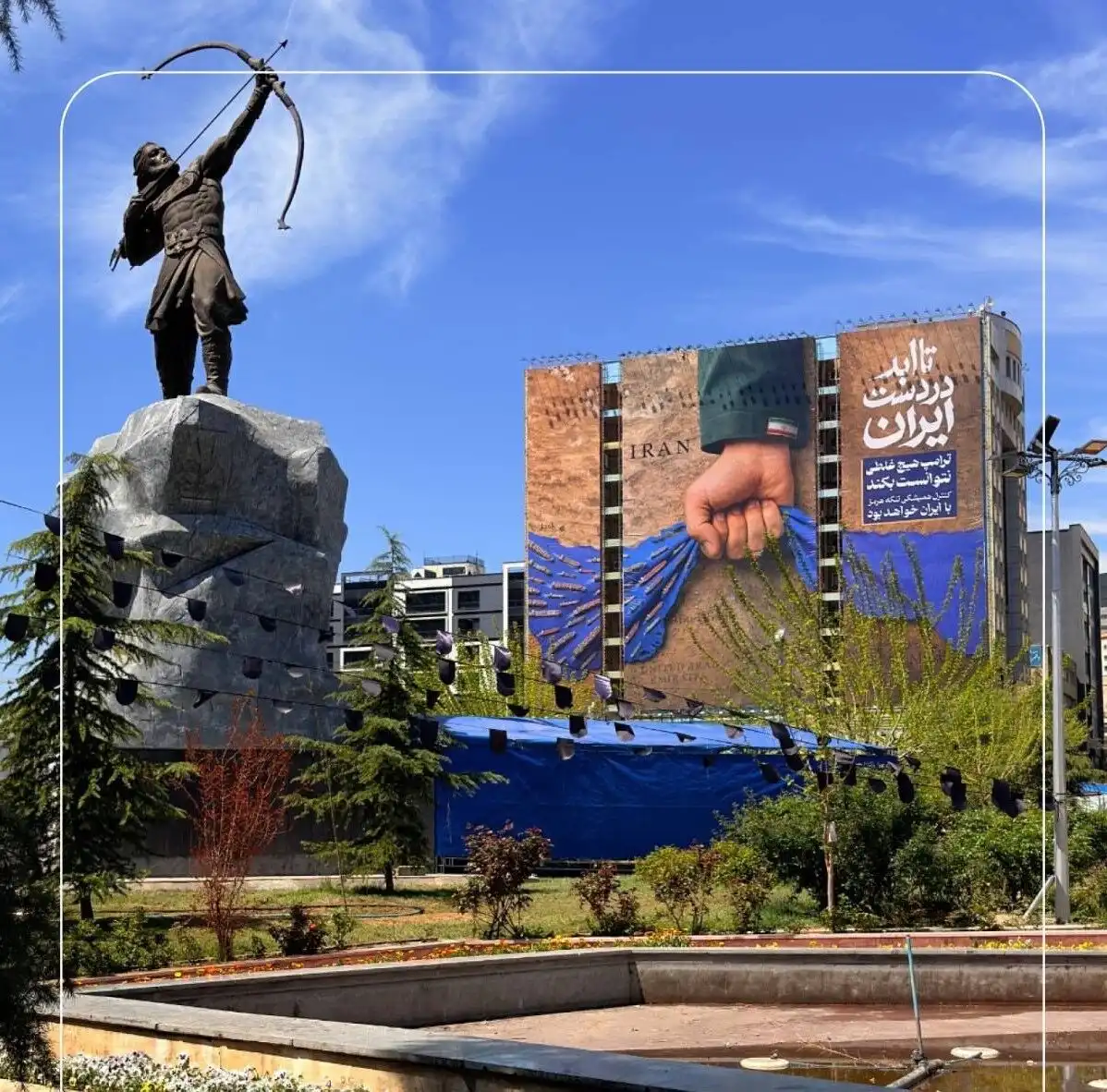
Spanning more than 2,500 years of recorded history and roots stretching back millennia further, Iran stands today as one of the world’s oldest continuous civilizations, its people and institutions having navigated conquests, dynastic shifts, foreign invasions and internal upheavals while preserving a distinct cultural and political identity. As the Islamic Republic confronts fresh external pressures on its sovereignty and internal strains in early 2026, the nation’s long record of adaptation offers a factual lens on how a people rooted in the Iranian plateau have repeatedly outlasted attempts to erase or subordinate their statehood. Archaeological evidence places human presence in what…