The World Health Organization’s declaration of a Public Health Emergency of International Concern on 17 May 2026 has thrust a familiar enemy back into the spotlight — but on markedly different and more difficult terms. For the first time in years, health authorities are confronting a significant Ebola outbreak driven by the Bundibugyo virus, a strain for which no approved vaccine or specific treatment exists.
As of 16 May, officials had recorded eight laboratory-confirmed cases, more than 246 suspected cases, and around 80–88 suspected deaths, concentrated in Ituri Province in northeastern Democratic Republic of the Congo. The true extent of the outbreak may be substantially larger, the WHO has warned, after the virus circulated undetected for several weeks in remote mining areas.
A Different Kind of Threat
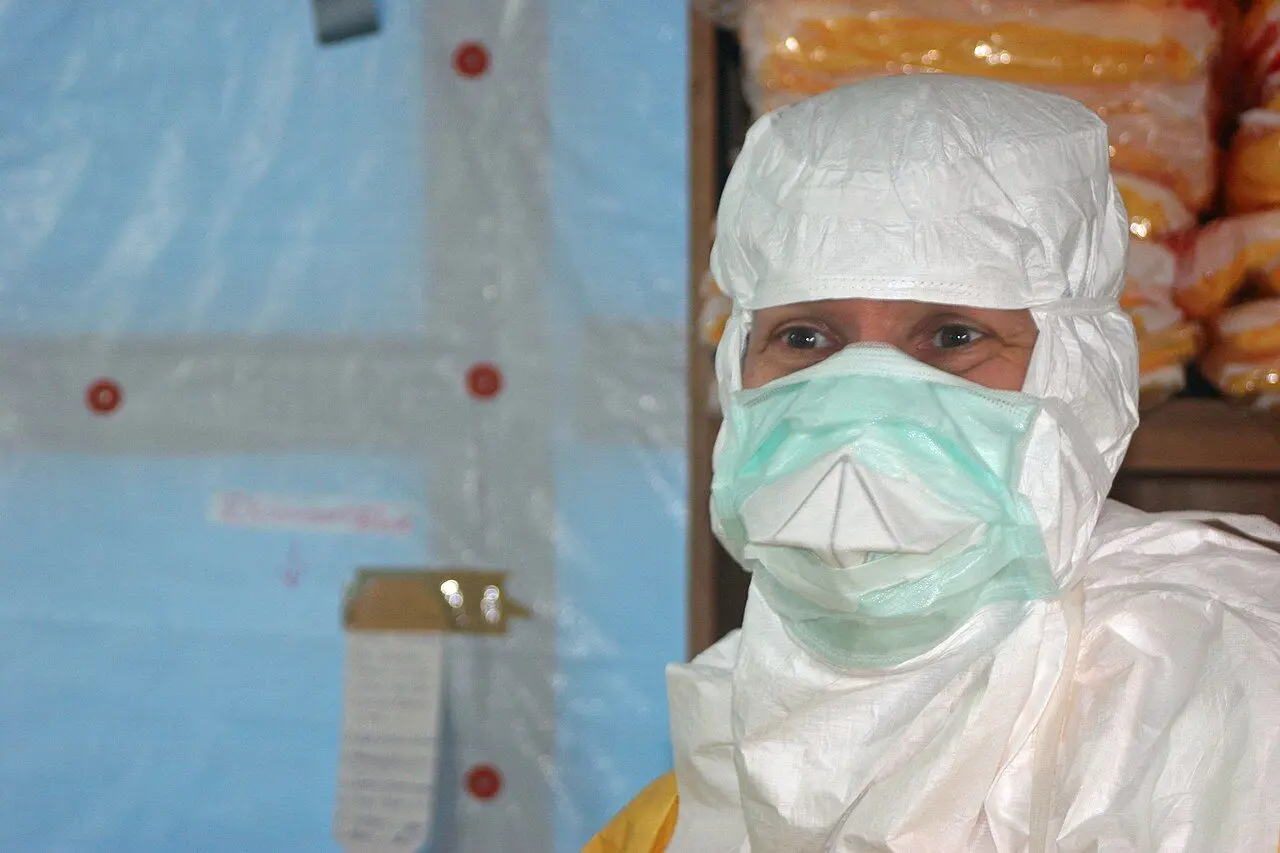
Most recent Ebola outbreaks in the DRC have involved the Zaire strain, against which effective vaccines and therapies have allowed faster containment. This time, responders must rely on older, more labour-intensive methods: rigorous contact tracing, isolation, safe burials, and community trust-building. The Bundibugyo variant, seen in only a handful of previous outbreaks, carries a case fatality rate historically estimated between 25 and 50 per cent.
The setting adds to the difficulty. Ituri Province is a region long plagued by armed conflict, population displacement, and fragile health systems. Mining towns such as Mongwalu and Rwampara, where the outbreak first gained momentum, feature high population turnover and frequent cross-border movement. One imported case has already resulted in a death in Kampala, Uganda’s capital, although no sustained local transmission has been confirmed there yet.
Why This Outbreak Matters Beyond Central Africa
The PHEIC (Public Health Emergency of International Concern) declaration is not a signal of imminent global pandemic. The WHO has stressed that the overall risk outside the region remains low and has explicitly advised against border closures. Instead, the alert serves as a high-level call to action. It highlights vulnerabilities the world has seen before: how quickly a haemorrhagic fever can exploit weak surveillance and porous borders in unstable areas.
This outbreak tests the international health architecture that was strengthened after the devastating West Africa epidemic of 2014–16 and the COVID-19 pandemic. Despite years of investment in preparedness, the absence of strain-specific tools reveals gaps in readiness for less common pathogens. It also underscores the persistent challenge of delivering rapid response in conflict zones, where health workers face both logistical hurdles and security risks.
Swift Mobilisation
In the wake of the declaration, neighbouring countries have moved quickly. Uganda has intensified screening at borders and hospitals. Kenya and other regional states have activated emergency teams and heightened surveillance at points of entry. The Africa Centres for Disease Control and Prevention has called for urgent coordination, while the WHO is deploying additional experts, laboratory support, and protective equipment. Humanitarian organisations such as Médecins Sans Frontières are scaling up operations on the ground.For many observers, the speed of the WHO’s decision — one of the faster PHEIC declarations in recent memory — reflects hard-learned lessons from previous outbreaks. Early mobilisation of resources can still make a decisive difference, even without modern medical countermeasures.
Yet the coming weeks will be critical. Success will depend less on high-tech solutions and more on fundamentals: persuading communities to report cases, ensuring safe burials, and maintaining rigorous infection control in overstretched facilities. In a region where trust in authorities is often fragile, these human elements remain the most powerful tools available.
This latest Ebola emergency is a reminder that while the world has grown more sophisticated in its response to infectious diseases, nature continues to present variations that expose remaining weaknesses. How effectively the international community supports containment efforts in Ituri may determine whether this remains a serious but contained regional challenge — or something more.