The past week in the Middle East has offered another masterclass in strategic ambiguity. As negotiators edge towards a memorandum of understanding between the United States and Iran, fresh military exchanges and Israeli advances in Lebanon have underscored just how precarious any pause in hostilities remains.
According to the International Crisis Group, what was meant to be a moment of potential breakthrough has instead ended in familiar confusion.President Trump has spoken confidently of an agreement being close, only to send a draft text back to Tehran for revisions on Iran’s stockpile of highly enriched uranium and arrangements governing the Strait of Hormuz.
Iranian officials, meanwhile, insist that any deal must address the wider regional picture, including a durable ceasefire in Lebanon. “A ceasefire violation on one front is a violation of the ceasefire on all fronts,” Iran’s Foreign Minister Abbas Araghchi warned, a position Tehran has repeatedly used to link its direct negotiations with Washington to events involving its proxies.
On the ground, the fragile truce has been repeatedly tested. US strikes on Iranian drone and missile infrastructure in southern Iran were met with retaliatory ballistic missile fire towards Kuwait, injuring American personnel. Iran downed a US drone; American forces responded by hitting radar and command sites. These tit-for-tat actions, while limited, reveal how quickly incidents can escalate even when both sides claim to want de-escalation.
The Lebanese theatre has proved especially combustible. Israeli forces crossed the Litani River and seized the strategic Beaufort castle – the deepest incursion since Israel’s withdrawal in 2000. A strike on a Beirut suburb added to the tension. The International Crisis Group notes that these moves appear designed, at least in part, to create facts on the ground before any US-Iran deal might constrain Israel’s room for manoeuvre.
Prime Minister Netanyahu’s government faces domestic pressure, with elections looming and right-wing allies wary of any perceived concessions. Yet Mr Trump’s announcement on 1 June that he had secured restraint from both Israel and Hezbollah suggests Washington is prepared to lean on its ally to protect the broader diplomatic track. Whether that understanding holds on the ground remains to be seen.
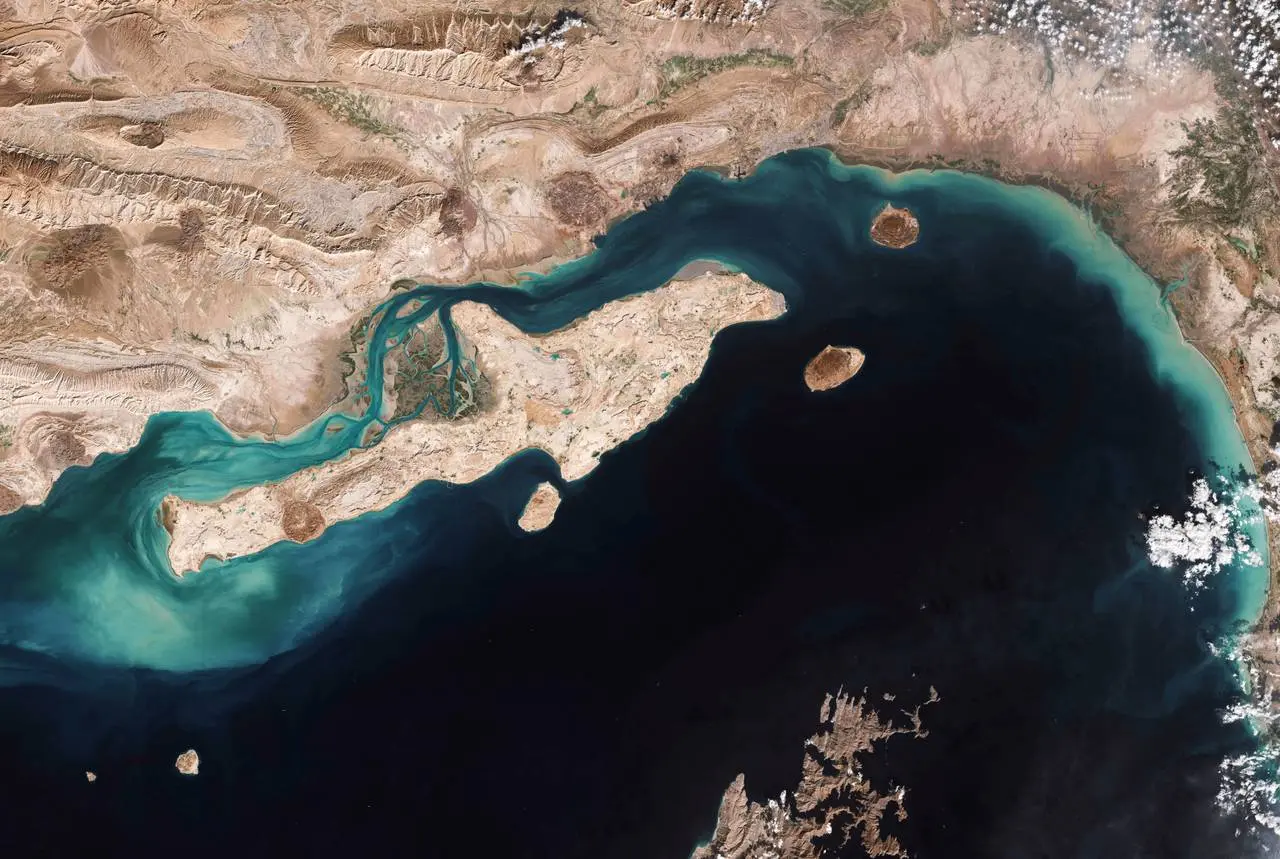
A particularly striking development has been Iran’s efforts to turn wartime disruption of the Strait of Hormuz into something more permanent. Tehran has established what it calls the Persian Gulf Strait Authority, issuing permits and charging fees for vessels passing through waters it now claims to manage. Iranian media report dozens of ships daily complying with these new arrangements, which officials describe as an “established global fact”. The US Treasury has sanctioned the body and warned third countries against facilitating it.
For Gulf Arab states, this presents an uncomfortable bind: they resent both Iranian assertions of control and the prolonged American naval blockade that has throttled commercial traffic and raised fears of a summer fuel crunch, as warned by the IMF, World Bank and International Energy Agency.
The draft memorandum under discussion would not end the underlying conflict but merely open a 60-day window for further talks. As the Crisis Group observes, such a text “would at best constitute a framework for further bargaining as opposed to a binding settlement, and it would be at constant mercy of competing interpretations”.
Iranian parliamentary speaker Mohammad Bagher Ghalibaf has framed the process bluntly: Tehran is extracting “concessions not through talks, but through missiles”. The message is aimed as much at hardliners at home as at Washington – resilience on the battlefield strengthens Iran’s hand at the table.
For Mr Trump, the incentives are finely balanced. A deal could ease economic pain and burnish his image as a deal-maker ahead of midterm considerations. Yet any perception of offering Iran sanctions relief or accepting deferred nuclear commitments risks fierce criticism from hawks and Israel. His public demands – toll-free passage, destruction of Iran’s enriched uranium stockpile, no cash transfers – sit somewhat uneasily with Iranian accounts of the actual draft text.
Multiple regional diplomats and intelligence sources suggest both sides are engaged in a high-stakes game of mirroring: each believes time ultimately favours its position. Iran has shown a willingness to absorb significant costs rather than yield core capabilities. The US, for its part, maintains its blockade and sanctions pressure even as talks continue.
The coming days will test whether the momentum towards an MOU can survive these latest frictions. A narrow, imperfect agreement might freeze the most dangerous phase of confrontation and reopen the strait to commerce – a relief for global energy markets. Yet without deeper understandings, the region would remain on a hair trigger, vulnerable to the next miscalculation in Lebanon, the Gulf, or the skies above Iran. For now, the path to diplomacy remains open, but heavily mined.