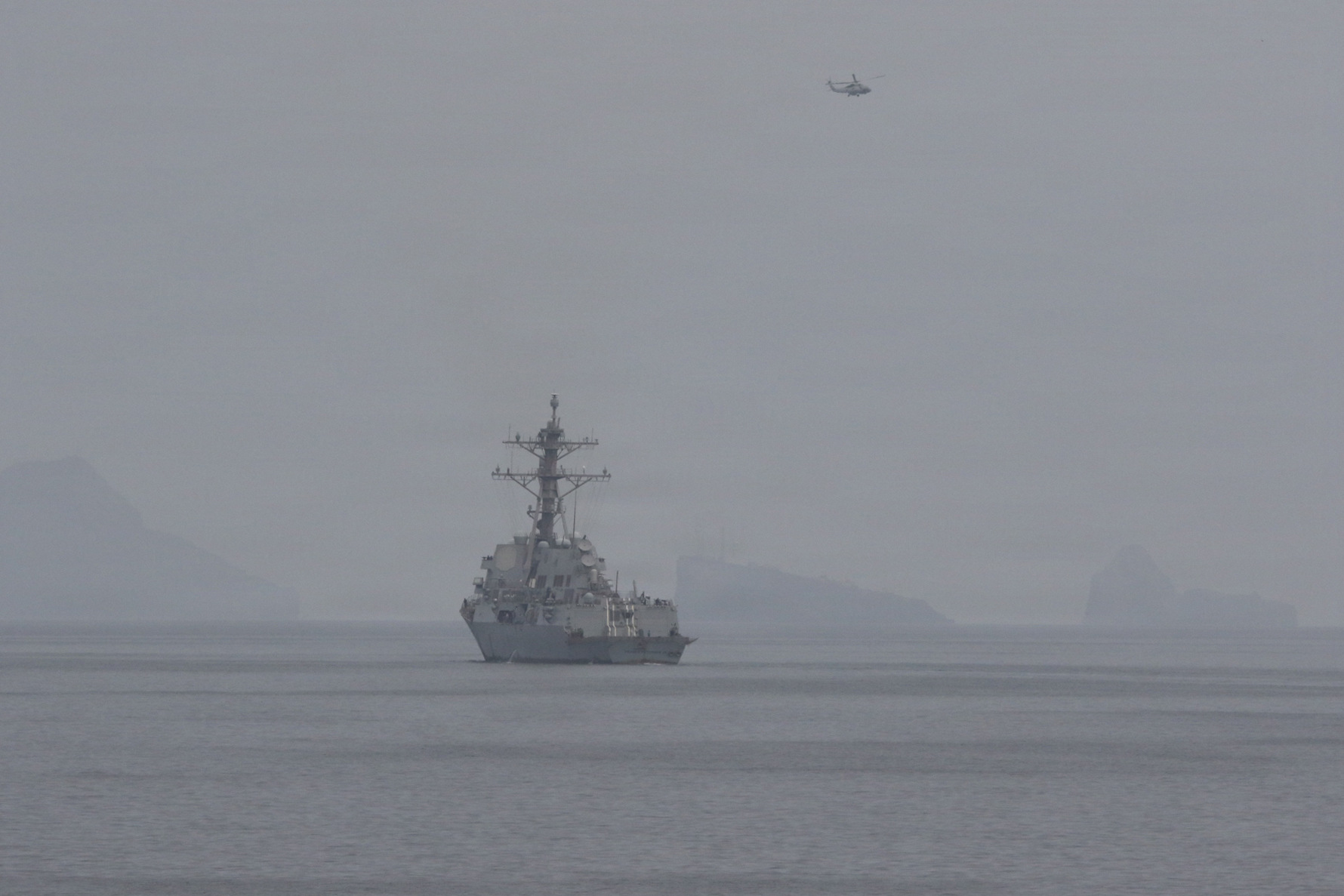
The Strait of Hormuz, a channel barely three kilometres wide at its narrowest point, has once again demonstrated its power to unsettle the global economy. On April 18th, Iranian gunboats fired on a tanker in the waterway, and Tehran announced the re-imposition of restrictions, accusing America of violating the fragile ceasefire. Roughly one-fifth of the world’s seaborne oil — about 20 million barrels per day before the conflict — normally passes through this chokepoint.
For Asia the stakes could hardly be higher. In 2025, the region sourced nearly 60% of its crude imports from the Middle East, with China, India, Japan and South Korea accounting for about three-quarters of the oil and nearly 60% of the LNG flowing through the strait. Japan imports around 95% of its oil from the Gulf, the vast majority via Hormuz. South Korea’s dependence stands at roughly 70%, while India has been sourcing more than half its crude from the region. China, despite diversification efforts, still draws a substantial share of its seaborne oil from the Gulf.
The disruption that began on February 28th has produced one of the largest energy supply shocks in decades. Brent crude has swung violently, at times trading above $100 per barrel, while jet fuel and diesel prices have remained persistently elevated. Airlines across Asia have raised fares and cancelled flights. Petrol queues have reappeared in parts of Thailand and the Philippines, and governments have released strategic reserves, rolled out subsidies and urged reduced consumption.
The longer-term risks are more serious. Sustained high energy costs threaten to fuel inflation, raise production costs and slow growth in economies already grappling with subdued domestic demand. For many import-dependent nations in South and South-East Asia, the fiscal burden of shielding consumers is rising fast.
Asian governments are now responding on two tracks. In the immediate term they are scrambling for alternative supplies and managing demand. Over the longer horizon, the crisis is accelerating investment in renewables, nuclear power and overland energy routes. China is expanding domestic production and pipeline deals, while India and Japan are boosting non-Gulf imports and clean-energy capacity.
The latest flare-up has shattered hopes of a swift return to normal traffic. With insurers wary, freight rates climbing and hundreds of vessels still delayed, the economic cost continues to mount. For the world’s most populous and dynamic continent, the message is sobering: its growth model remains dangerously exposed to the volatile politics of a distant waterway over which it has little control.
Until safe, predictable passage through the Strait of Hormuz is restored, Asia will keep paying a heavy price — at the petrol pump, in factory margins and in slower economic momentum.