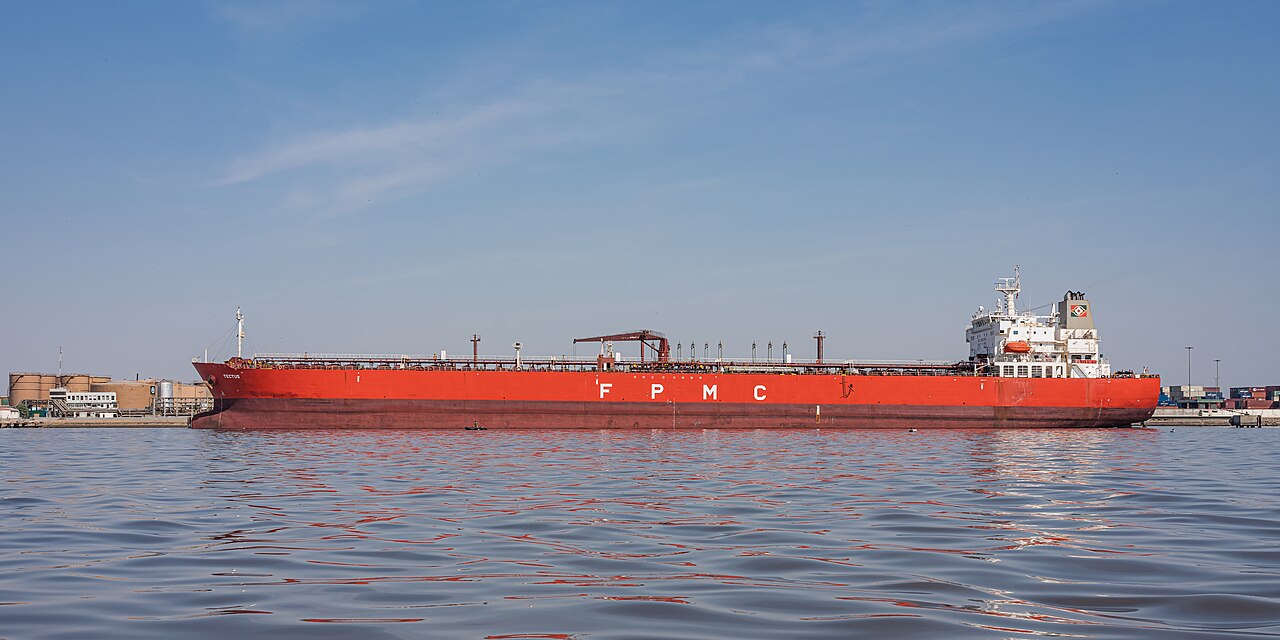
Pakistan has long grown used to external shocks derailing its best-laid economic plans. Few, however, have arrived with quite the speed or expense of the short, sharp war between America and Iran. Prime Minister Shehbaz Sharif complained to his cabinet this week that the conflict had dealt a “serious blow” to the modest gains his government had clawed together over the past two years. The evidence is hard to dispute: Pakistan’s weekly oil-import bill has swollen from around $300m before the fighting to nearly $800m now.
The trouble began on February 28th when American and Israeli strikes killed Iran’s Supreme Leader, Ayatollah Ali Khamenei, and several of his top commanders. Iran’s retaliation turned the Gulf into a more dangerous place, constricting shipping through the Strait of Hormuz and sending oil prices spiking. For an energy-importing country already juggling high debt, inflation and the stern conditions of an IMF programme, the timing could scarcely have been worse.
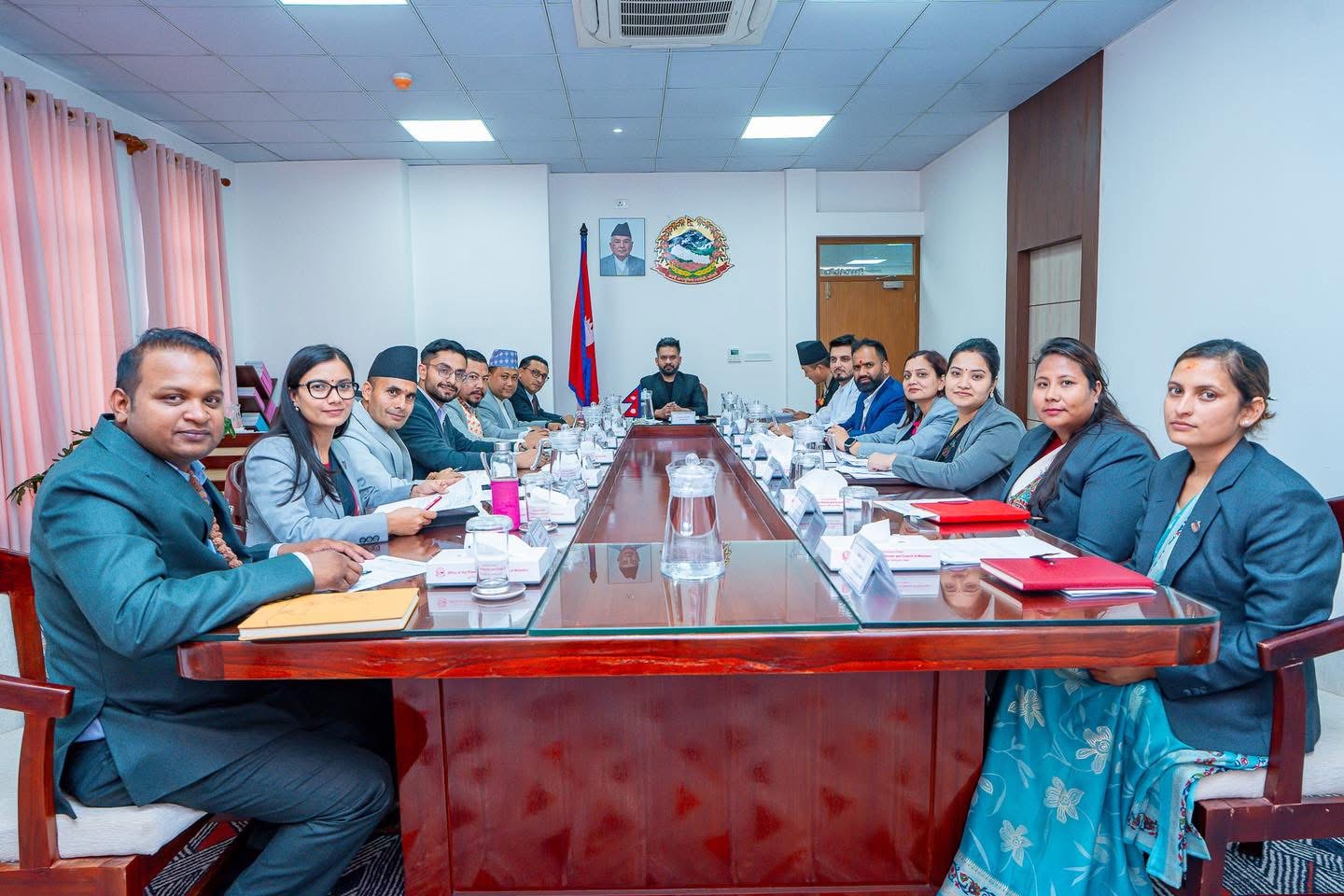
Mr Sharif’s government has responded with the usual toolkit of a cash-strapped administration: a task force to monitor the situation daily, exhortations to collective sacrifice, and modest conservation measures. Petroleum consumption has already dipped this week. Government offices have shortened hours; fuel allowances for official vehicles have been trimmed. Such steps may curb demand, but they also risk damping activity in an economy where growth remains fragile and power cuts have a habit of returning when fuel gets expensive.
Diplomatic interlude
Yet Pakistan has not confined itself to damage limitation at home. In a characteristic blend of necessity and ambition, it has cast itself as a diplomatic bridge between Washington and Tehran. Army chief Field Marshal Asim Munir and Deputy Prime Minister and Foreign Minister Ishaq Dar have been busy. A ceasefire, initially lasting two weeks, was extended indefinitely after intense Pakistani shuttling. Marathon talks between American and Iranian officials took place in Islamabad on April 11th, reportedly lasting 21 hours. Iranian Foreign Minister Abbas Araghchi made repeated, rapid visits, squeezing in meetings with both the prime minister and the army chief before hurrying on to Muscat and Moscow.
Mr Sharif has spoken warmly of these efforts, recounting phone calls in which Mr Araghchi promised a “positive response” after consulting his leadership. President Donald Trump, for his part, has kept the door open to further talks, even suggesting telephone diplomacy might suffice. Islamabad now hopes to host another round. Whether these exertions reflect genuine influence or merely the convenient geography of a country that maintains working relations with all sides is debatable. Pakistan’s record as a reliable interlocutor has its sceptics in both Washington and Tehran. Still, a shaky ceasefire holds—for now—and that is no small thing for a region that could easily have slid into something worse.
The economic cost, however, is already tangible. Higher fuel prices feed quickly into transport costs, electricity generation and agricultural inputs. Inflation, never far from the surface in Pakistan, threatens to reaccelerate. Remittances and some export growth had offered a sliver of breathing room; that space is now narrower. Farmers face dearer fertiliser at a time when food security is a constant worry. Industrialists grumble about rising costs and uncertain power supply. The government, wary of breaching IMF targets, has limited room to subsidise fuels without courting fresh fiscal trouble.
The limits of shuttle diplomacy
There is a certain irony here. Pakistan, armed with nuclear weapons and a large population, still finds its prosperity hostage to decisions taken far beyond its borders—particularly in the energy markets of the Gulf. Its attempt to play honest broker is partly self-serving: cheaper oil and open sea lanes matter more to Karachi’s ports than almost anything else. Yet mediation carries risks too. Prolonged uncertainty could complicate debt rollovers and deter the fresh investment the country desperately needs.
Mr Sharif has expressed hope that the conflict will end soon. For ordinary Pakistanis feeling the pinch at the petrol pump and in higher prices for basics, that hope cannot arrive quickly enough. In the meantime, the government must walk a familiar tightrope: managing public discontent at home while projecting diplomatic usefulness abroad. It is a trick Pakistan has performed many times before. Whether it can do so without sacrificing the modest economic stability it had begun to rebuild is another question entirely. The oil meter, at least, continues to run.