Barely three weeks after being sworn in as Nepal’s youngest-ever prime minister on 27 March 2026, Balendra Shah – the 35-year-old former underground rapper known as Balen – is discovering that winning power is easier than wielding it.His Rastriya Swatantra Party secured a historic landslide in the 5 March election, winning 182 of 275 seats in parliament and delivering the first single-party majority in Nepal in decades. The victory followed months of turmoil triggered by Gen Z-led protests in September 2025, which toppled the previous government amid deadly clashes, widespread arson and deep public anger over corruption, youth unemployment and political nepotism.
Shah’s swearing-in ceremony at the presidential palace, conducted at an astrologically auspicious hour with Hindu priests and Buddhist monks in attendance, carried powerful symbolism. Just months earlier, the same presidential complex had been ransacked during the protests. Before taking the oath, Shah released a new rap track calling for national unity and a fresh start – a message that quickly spread across social media.
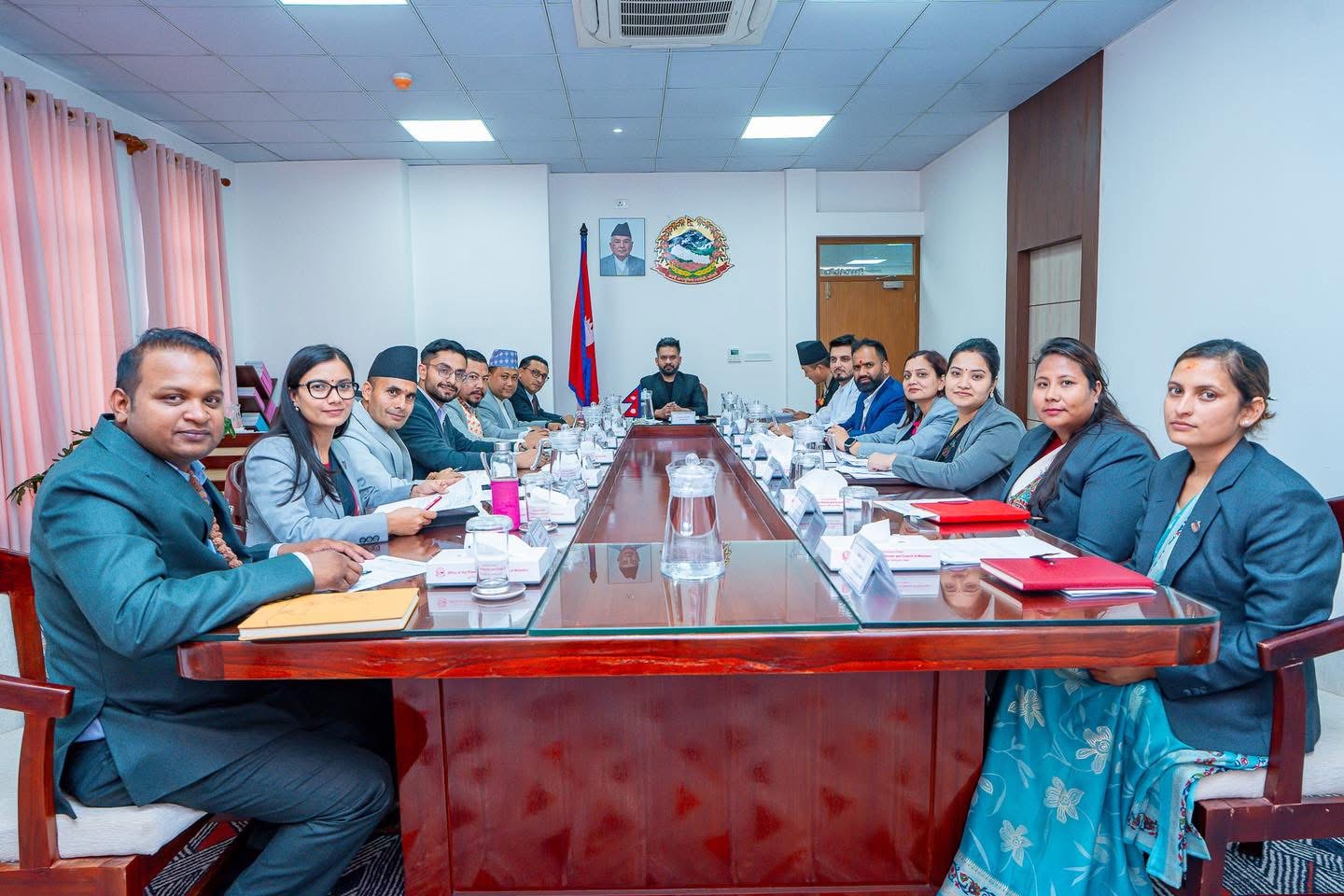
In the days since taking office, the new government has moved with striking speed. It has authorised the arrest of former prime minister K.P. Sharma Oli and other senior figures on charges linked to the crackdown on last year’s protests. Corruption investigations have been opened into multiple former leaders, while a 100-point governance roadmap has been unveiled, promising job creation, better public services and accountability. Families of those killed in the 2025 unrest have been offered government jobs, and hospitals have been instructed to reserve beds for the poor.
These early actions reflect the mandate Shah received from a young, frustrated electorate. Many Nepalis, particularly first-time voters and Gen Z activists, saw in the former Kathmandu mayor a rare outsider willing to challenge the old guard. His decisive defeat of Oli in the veteran politician’s own constituency – winning more than 68,000 votes to Oli’s fewer than 19,000 – became a defining image of generational change.
Yet governing a country long plagued by political instability, weak economic growth and heavy reliance on remittances is proving complex. Nepal remains one of South Asia’s poorest nations, with high youth emigration, creaking infrastructure and a history of short-lived governments. Shah’s pugnacious style, effective in opposition and as mayor, is now being tested in the realities of national administration and delicate diplomacy with neighbours India and China.International observers are watching closely. Nepal’s swift transition from street protests to a clear electoral mandate stands in contrast to other recent youth-led movements in the region. It offers a rare example of Gen Z frustration translating into sustained political power rather than fading after the initial upheaval.
At the same time, questions are emerging. A journalist was briefly arrested this month for criticising the new prime minister, sparking protests and concerns about tolerance for dissent. Supporters worry about balancing demands for justice over last year’s violence with the need for national reconciliation. Critics question whether the idealistic campaign promises can survive the compromises of power.
For now, Shah’s government retains strong public goodwill and a solid parliamentary majority – advantages previous Nepali leaders rarely enjoyed. How he navigates the coming months will determine whether this “Gen Z revolution” becomes a lasting model of youthful renewal or joins the long list of hopeful experiments that faltered under the weight of governance.
In the Himalayan republic, the rhythms of protest and possibility have given way to the harder beat of day-to-day leadership. The rapper who once railed against the system now sits at its centre, tasked with proving that change promised from the streets can endure inside the corridors of power.