In New Delhi, the familiar rhythms of Indian politics have sharpened into something more urgent. Over the past fortnight, the government of Narendra Modi has raised retail fuel prices four times, passing on the pain from a global energy shock triggered by conflict in the Middle East. Petrol and diesel costs have climbed by roughly Rs 8 per litre in major cities, a modest adjustment by international standards but a tangible blow to millions of Indian households and small businesses already navigating sticky inflation.
The timing could scarcely be worse for the ruling Bharatiya Janata Party (BJP). The increases come as crude oil prices remain elevated following disruptions linked to the US-Iran standoff and volatility around the Strait of Hormuz. India, the world’s third-largest oil importer, sources much of its supply from the Gulf. Higher energy costs threaten to feed through into transport fares, fertiliser prices and everyday groceries, testing the patience of a voter base that has so far rewarded Mr Modi for relative macroeconomic stability.
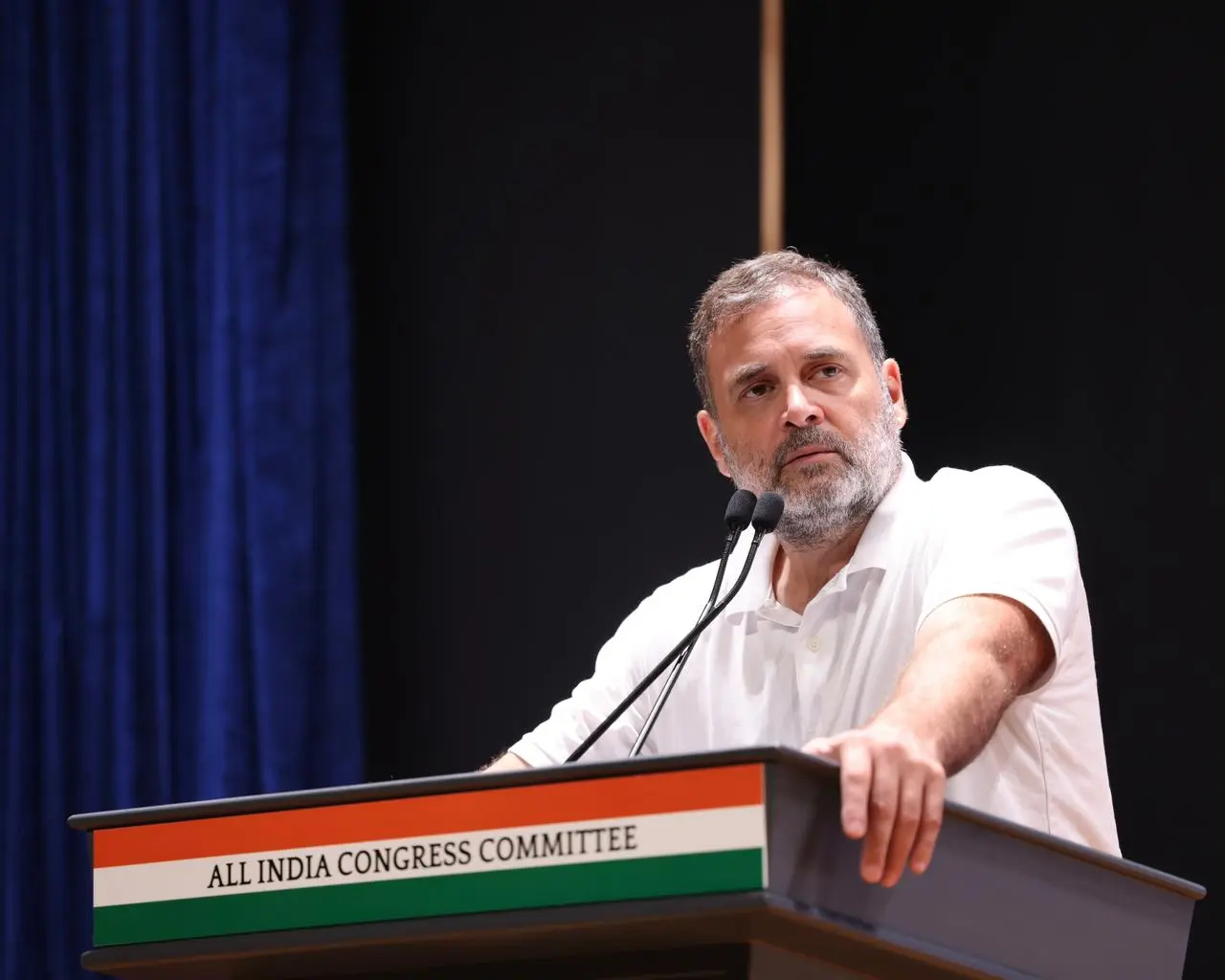
The opposition smells opportunity. The Indian National Congress, still the principal challenger despite years in the wilderness, has seized on the fuel hikes to portray the government as out of touch and beholden to corporate interests. Party leaders, including Rahul Gandhi, the de facto face of the opposition, have linked the price rises to broader criticisms of foreign and economic policy. They argue that over-reliance on certain international partnerships and a failure to shield consumers from global commodity swings reflect deeper strategic missteps. Congress has also hammered the government over alleged irregularities in competitive examinations, particularly the NEET medical entrance test, where paper leaks have eroded public confidence in the fairness of India’s fiercely competitive education system.
Mr Gandhi has adopted a more combative tone of late. At internal meetings, he has urged colleagues to speak plainly about concerns affecting India’s Muslim community rather than sheltering behind vaguer references to “minorities.” He has predicted the Modi government could face collapse within a year if economic discontent deepens. On the campaign trail and in social media broadsides, he has cast the BJP as arrogant and fearful of India’s youthful demographic, pointing to glitches in the Central Board of Secondary Education’s new on-screen marking system as further evidence of institutional strain. “Gen Z will shatter” that arrogance, he has declared.
Other opposition parties, from regional heavyweights to smaller outfits, have joined the chorus. Issues ranging from student grievances to an Indo-US strategic deal have been woven into a narrative of governmental failure and cronyism. The collective hope is to build momentum ahead of state polls and, optimistically, to weaken the BJP sufficiently before the next general election. For now, the opposition sees fuel prices and examination scandals as potent symbols of everyday injustice.
The BJP has hit back vigorously. It accuses the Congress, and Mr Gandhi in particular, of peddling falsehoods and stoking unrest at the behest of forces hostile to India’s interests. Senior figures portray the opposition campaign as an attempt to manufacture anarchy rather than offer credible alternatives. They note that India’s fuel price increases have been more restrained than in many other importing countries and point to the government’s efforts to diversify energy sources and maintain subsidies where possible. The ruling party frames the current difficulties as the unavoidable cost of global events beyond any single nation’s control.
Geopolitical Shadow
The backdrop is undeniably international. The persistence of tensions between the United States and Iran has tightened oil markets and complicated supply chains. For India, which maintains pragmatic ties across the Gulf and with both Washington and Tehran, the conflict poses a delicate balancing act. Prolonged disruption could exacerbate inflation, strain foreign-exchange reserves if the rupee weakens, and complicate efforts to sustain post-pandemic growth. Remittances, fertiliser imports and aviation costs are all vulnerable.
Yet India is not powerless. Its strategic petroleum reserves, growing refinery capacity, and increasing embrace of renewables and nuclear provide some buffer. Diplomatically, New Delhi has managed relationships with Gulf states, Russia (a key discounted oil supplier in recent years), and Western partners with notable dexterity. The question is whether domestic political heat will constrain these manoeuvres.
For international observers, India’s current ferment offers a window into the tensions of a rising power. A young, aspirational electorate demands jobs, affordable living costs and merit-based opportunity. When these appear threatened—whether by global oil shocks or domestic administrative lapses—political temperatures rise quickly. Mr Modi’s government retains formidable organisational strength and a narrative of national resurgence. The opposition, revitalised under Mr Gandhi’s sharper edge, is testing whether economic grievances can overcome the BJP’s entrenched advantages.
The coming months will reveal whether rising fuel costs and examination controversies merely sting or whether they signal a broader erosion of support. In a country where politics is theatre as much as policy, both sides are already scripting their roles for a long and contentious season. The global energy backdrop ensures that India’s domestic drama will be watched well beyond its borders.