
The global economy is no longer shaped by trade alone. Increasingly, it is being defined by geopolitics, technological competition, energy transitions, and the race to secure resilient supply chains. Nations today are not merely negotiating trade agreements; they are competing for critical minerals, advanced technologies, trusted manufacturing partnerships, and strategic investment. In this rapidly evolving environment, economic diplomacy has emerged as one of the most powerful instruments of national development. Despite geopolitical uncertainties, India continues to remain the fastest-growing major economy, creating a strong foundation for leveraging economic diplomacy to attract investment, strengthen supply chains, and expand global trade.”
| Economy | GDP Growth (%0 |
| India | 6.3–6.5 |
| China | ~4.6 |
| United States | ~1.8 |
| Euro Area | ~1.0 |
| Japan | ~0.8 |
Recent international economic assessments continue to place India among the world’s fastest-growing major economies. While advanced economies grapple with slower growth, ageing populations, and subdued investment, India’s strong domestic demand, public infrastructure spending, and expanding digital economy continue to support robust economic performance. This economic resilience enhances India’s credibility as a preferred investment destination and strengthens its bargaining position in international economic negotiations
India’s fresh engagements with Indo-Pacific partners—including Australia, Indonesia, and New Zealand—reflect this transformation. While these visits have naturally attracted diplomatic attention, their larger significance lies in the economic opportunities they seek to unlock. They demonstrate that India’s foreign policy is increasingly aligned with its domestic growth priorities, from strengthening manufacturing and integrating more deeply into global value chains.
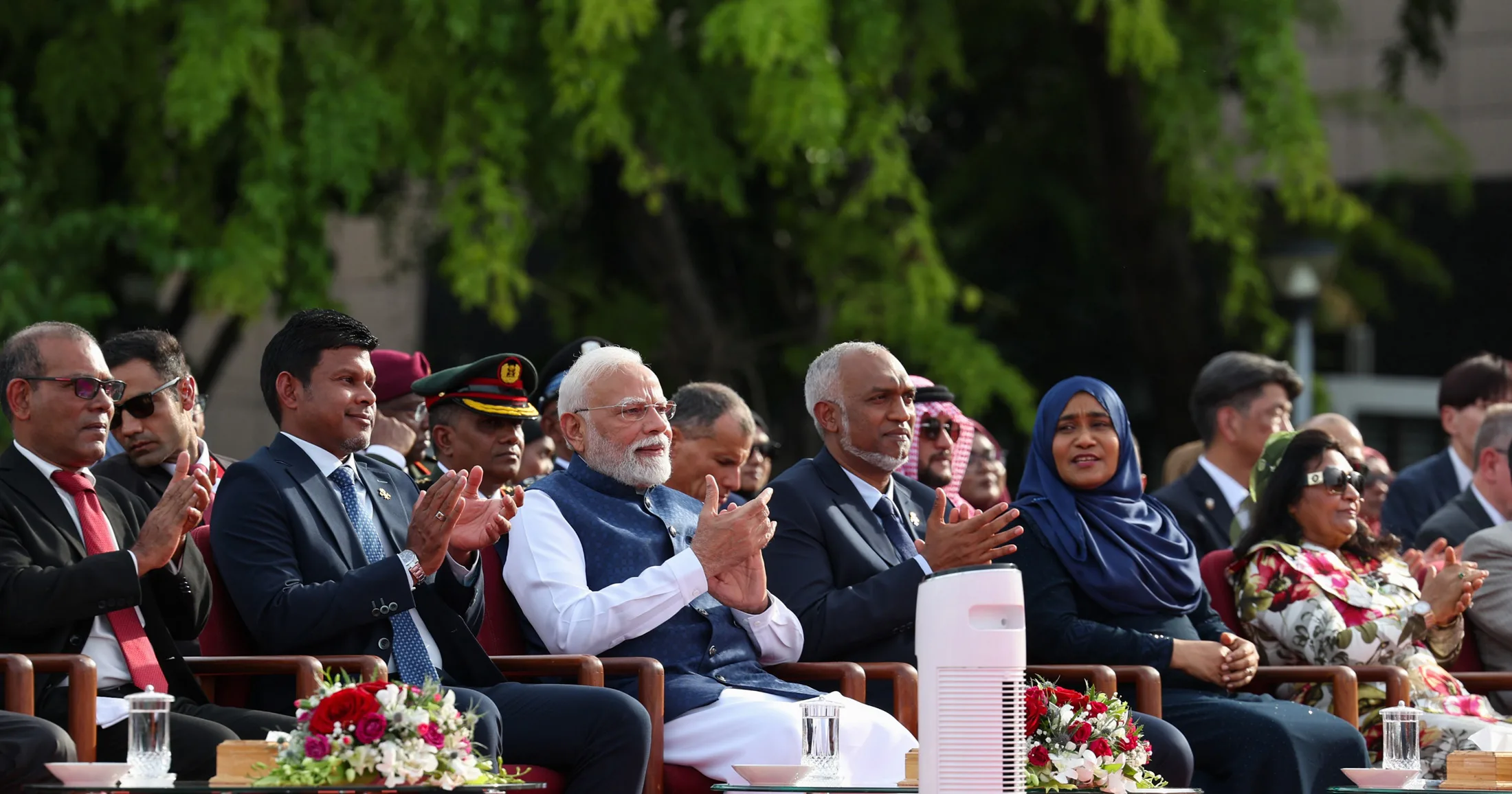
Recently Prime Minister Shri Narendra Modi participation in the 3rd India-Australia Annual Summit hosted by the Prime Minister of Australia, the Hon. Anthony Albanese MP, in Melbourne on 9 July 2026, Reminded the longstanding friendship between the two nations, rooted in historical ties, people-to-people linkages, shared strategic interests, and mutual respect for one another. The two Leaders reaffirmed their shared commitment to further consolidate and expand the India–Australia Comprehensive Strategic Partnership (CSP) to respond to emerging challenges in a rapidly evolving global environment,
Since we all know that Australia is an important strategic partner, it is one of the world’s leading suppliers of lithium, cobalt, and rare earth minerals and in current scenario — this strategic partnership is one of the defining features of today’s global economy moving towards restructuring of supply chains. Thus, the “China+1” strategy presents India with a historic opportunity. However, capturing this opportunity requires far more than competitive labour costs.
Indonesia also offers another important dimension of India’s economic engagement. As Southeast Asia’s largest economy and a major producer of nickel, Indonesia occupies a pivotal position in the global battery supply chain. Enhanced cooperation in maritime connectivity, logistics, minerals, and regional trade can significantly strengthen India’s participation in Indo-Pacific value chains.
As a matter of fact India acceleration towards clean energy and advanced manufacturing units while securing dependable access to these critical minerals has become an economic necessity rather than merely a trade objective. Collaboration in clean hydrogen, renewable energy, and research further strengthens India’s ambition to build resilient industrial ecosystems capable of supporting long-term growth.
The Prime Ministers reaffirmed that defence and security cooperation is a cornerstone of the partnership in an increasingly complex strategic environment. They announced the Joint Declaration on Defence and Security Cooperation, reflecting a step‑change in the depth and ambition of the bilateral defence and security relationship, and contribution to regional strength and security. Acknowledging the significance of professional military education, joint research, wargaming and capacity building initiatives for future-ready military personnel, the Prime Ministers highlighted ongoing efforts to strengthen cooperation on professional military education.
India’s engagement with New Zealand similarly reflects a broader vision of economic diversification. While bilateral trade remains modest, opportunities in agri-technology, food processing, education, digital innovation, tourism, and services offer significant scope for expansion. As India seeks to deepen its presence in high-value global markets, such partnerships become increasingly important.
Strategic Economic Significance of India’s Recent Indo-Pacific Partnerships
| Partner Country | Strategic Resource/Sector | Economic Significance for India | Long-term Impact |
| Australia | Lithium, Rare Earths, Green Hydrogen | EV ecosystem, battery manufacturing, clean energy | Energy security & industrial competitiveness |
| Indonesia | Nickel, Maritime Logistics | Battery supply chains, ASEAN connectivity | Manufacturing & resilient supply chains |
| New Zealand | Agriculture, Food Processing, Education, Tourism | Knowledge partnerships, services exports | Market diversification & innovation |
The strategic value of these partnerships extends far beyond conventional trade. Together, they strengthen India’s access to critical resources, diversify export opportunities, reduce supply-chain vulnerabilities, and support the country’s broader ambition of becoming a globally competitive manufacturing and innovation hub.
Recent international assessments continue to place India among the world’s fastest-growing major economies. Despite persistent global uncertainties, India’s growth outlook remains stronger than that of many advanced economies, supported by resilient domestic demand, sustained public investment, and an expanding digital economy. India’s recent diplomatic outreach suggests a clear recognition of this reality.
However, opportunities alone do not guarantee outcomes. Converting diplomatic engagements into measurable economic gains requires timely implementation, greater private sector participation, stronger logistics, improved ease of doing business, and sustained policy continuity. Trade agreements must translate into higher exports, investment commitments into productive capacity, and technology partnerships into domestic innovation. Economic diplomacy delivers lasting benefits only when supported by effective execution at home.
Ultimately, the significance of India’s recent Indo-Pacific engagements extends beyond individual bilateral relationships. They represent a broader strategic shift—from viewing diplomacy primarily as a political exercise to recognising it as a catalyst for economic transformation.
The real question, therefore, is not whether India is engaging more actively with the world. It is whether these partnerships can be converted into sustained productivity, industrial competitiveness, and long-term economic resilience. If India succeeds in aligning its domestic reforms with its expanding international partnerships, its economic diplomacy could become one of the defining drivers of its growth story in the coming decade.
(Dr Bhavana Rai, author of this article, is an eminent Economist. Currently, she serves as Joint Director at the FHRAI Centre of Excellence for Research in Tourism and Hospitality (CERTH), She has previously been associated with reputed institutions such as ASSOCHAM, PHD Chamber of Commerce and Industry, and the Institute of Economic Growth)