Russia has agreed to take in around 70,000 Indian skilled workers this year. Most will fill roles in construction and logistics. External Affairs Minister S Jaishankar shared this update on Saturday while briefing a parliamentary consultative committee on India-Russia relations.
The minister described the partnership as multi-sided. It covers trade, investment, energy, connectivity, culture and people-to-people links. Both sides share a clear goal: grow trade in a balanced way. India wants to send more goods to Russia in seven key areas. These are cars and auto parts, medicines, food, seafood, engineering products, chemicals and textiles.
Energy remains a core part of the relationship. Jaishankar stressed that India’s top priority is to protect the interests of Indian consumers. The country aims to keep several sources of energy supply open. This approach helps avoid over-reliance on any single partner and keeps prices more stable for households and businesses.
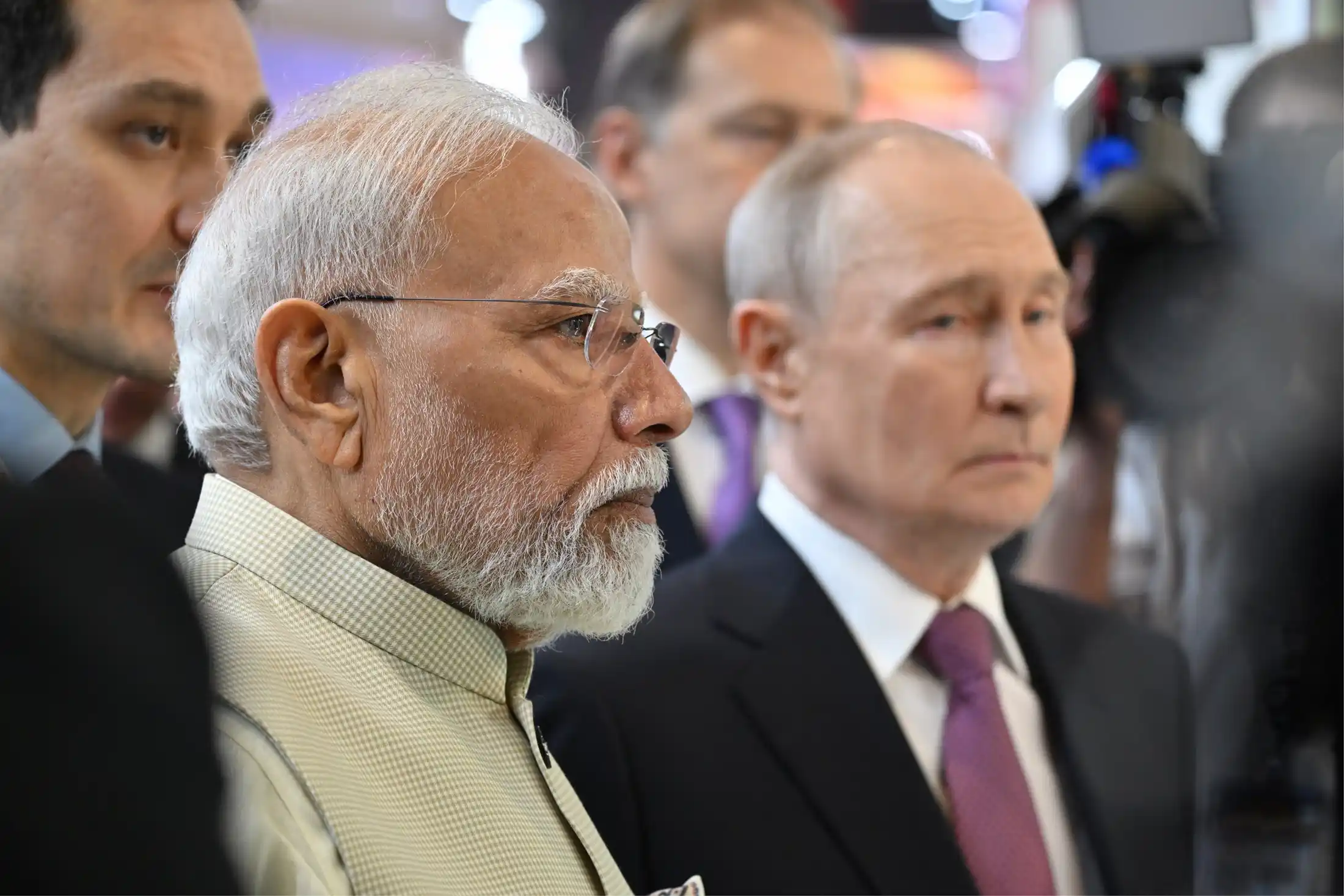
The talks also covered the war in Ukraine. India continues to back dialogue and diplomacy as the path to peace. Jaishankar noted recent Indian efforts to help end the conflict. He pointed to Prime Minister Narendra Modi’s meeting with Russian President Vladimir Putin in Bishkek on 31 August. At that meeting Modi said an endless war must give way to the end of war.
Jaishankar himself travelled to Ukraine last month. He later met the foreign ministers of both Ukraine and Russia in New York during the UN General Assembly. He told them India stands ready to help in any way that can bring the fighting to a close. Russian President Putin later said at the Valdai Club that Modi has “very good ideas” for finding solutions both sides can accept. Ukrainian Foreign Minister Andrii Sybiha has also publicly appreciated India’s efforts. These points were raised during the parliamentary briefing.
Another practical issue discussed was the safety of Indians working with the Russian military. The government has spoken to Russian authorities at the highest levels to secure their early discharge. So far about 140 Indian nationals have been released. India remains in contact with Russia about the whereabouts of another 55 who are reported to be with the Russian army.
These steps show how India and Russia are managing a long-standing partnership in a changing world. The worker agreement offers jobs for skilled Indians and helps fill labour gaps in Russia. Stronger trade and energy ties give both countries more options. At the same time, India’s quiet diplomacy on Ukraine keeps the door open for peace talks. The relationship continues to expand across economic, energy and human links while India stays focused on its own national interests.