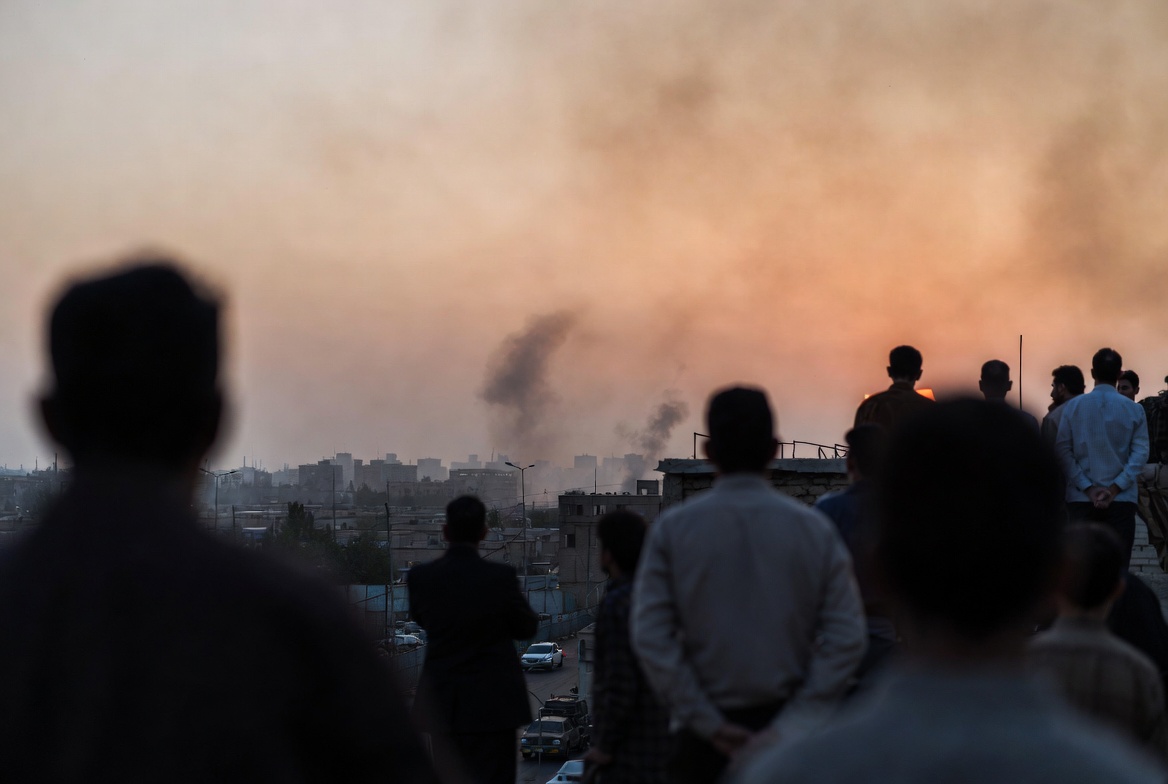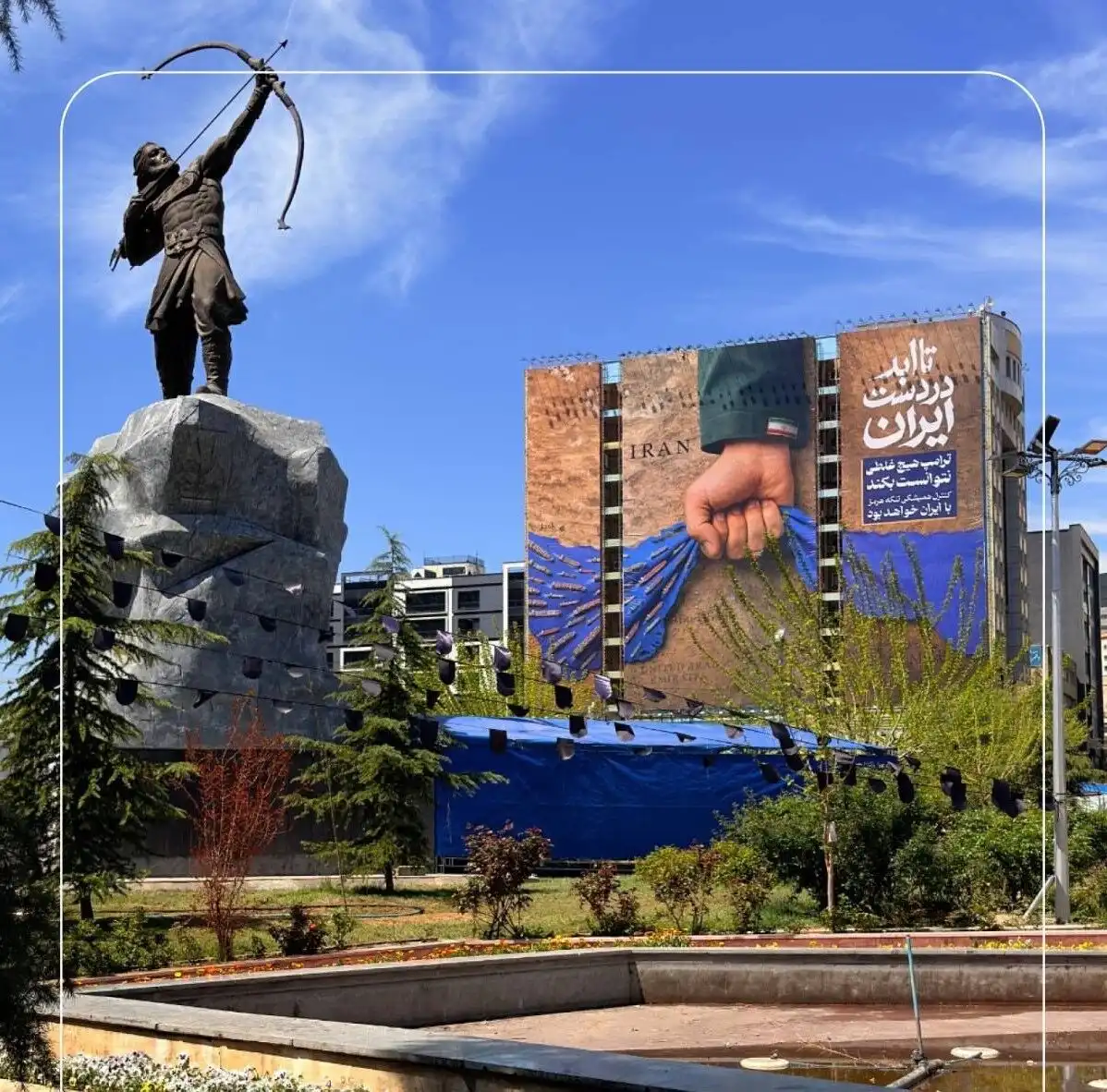
After weeks of uneasy quiet, American missiles again lit up Iran’s southern coast on September 1. The targets were Revolutionary Guard air defences, radars, mine-laying craft and communications nodes clustered near the Strait of Hormuz. Washington framed the action as retaliation for Iranian attempts to seed the waterway with mines and harass shipping and American forces. Tehran answered with ballistic missiles and drones aimed at bases in Jordan, Bahrain, Kuwait and Iraq. Civilian deaths, including at a wedding celebration, followed. The exchange marked the sharpest flare-up since late July in a conflict that has already lasted more than six months.
U.S. Central Command stated the facts with characteristic precision: “Today at 12 p.m. ET, U.S. forces began striking Islamic Revolutionary Guard Corps (IRGC) targets in Iran. The strikes follow recent attempted attacks by the IRGC against commercial shipping in the Strait of Hormuz and against American service members deployed to the region.” The White House amplified the message, posting President Trump’s own words: “The United States is, as we speak, striking Iranian Targets near the Strait of Hormuz. The strikes are large and powerful, and in retaliation for the Iranians’ failed attempt at adding sea mines to the Strait, which currently has no mines (They have been completely removed or detonated!).” Trump later warned that further Iranian retaliation would invite blows “at a much harder and higher level,” while telling reporters the campaign would not last “too long” yet that America remained ready to strike “any time we want.”
The immediate trigger is local and maritime. Iran has treated the Strait as a bargaining chip, throttling the flow of oil that normally passes through it and threatening vessels that sail without its leave. The United States has answered with precision strikes meant to blind Iranian sensors, sink mine-layers and assert control over the chokepoint. Energy Secretary Chris Wright noted that more than 17 million barrels moved through the waterway on one recent day—the highest volume since the conflict began—suggesting that American pressure is already producing measurable results on the commercial front. Treasury Secretary Scott Bessent echoed the figure, underscoring the economic dimension of the campaign.
Beneath the latest exchange lies a longer contest over the rules of the Gulf. The war began earlier in 2026 with coordinated American and Israeli strikes that degraded Iran’s nuclear infrastructure, command networks and leadership. What followed was an intermittent campaign of strikes, Iranian missile salvos, proxy activity and economic pressure. A period of relative calm allowed both capitals to test whether coercion alone could produce a settlement. It did not. Iran rebuilt radars and coastal defences. The United States tightened an economic noose and maintained the option of kinetic action. When Iran again moved against shipping and American forces, the American response restored the cycle of blow and counter-blow.
Geopolitically the stakes are structural. The Strait of Hormuz remains the world’s most important energy artery. Even partial closure or persistent threat raises insurance costs, reroutes tankers and lifts global prices. For the United States the principle is free navigation and the denial of any single power’s veto over the flow of oil. For Iran the Strait is leverage: a means to impose costs on adversaries and extract concessions when its other tools—nuclear latency, proxies, ideology—have been blunted. Gulf states watch nervously, caught between American security guarantees and Iranian proximity. China and other major importers register the disruption without yet intervening. Russia observes an American entanglement that occupies resources and attention.
Robert A. Pape, the University of Chicago political scientist who directs the Chicago Project on Security and Threats, captured the strategic question cleanly in the first hours of the renewed fighting: the two sides had traded direct military strikes for the first time in a month, Brent crude had surged, and the real issue was who held the strategic upper hand in an escalating contest over the waterway. His observation underscores a broader truth. The military balance remains asymmetrical. American forces can strike with range, precision and relative impunity; Iranian air defences and maritime assets suffer cumulative attrition. Iran retains the ability to launch missiles and drones at regional bases, to harass shipping, and to absorb punishment while rallying domestic support around defiance. Neither side has demonstrated the capacity or the will for decisive victory. The result is a grinding contest of attrition and signalling in which each escalation risks wider involvement yet neither can easily de-escalate without appearing weak.
Economic and political ramifications compound the military ones. Higher energy prices feed inflation and political discontent in consumer countries. Iran’s economy, already strained, faces tighter isolation. American domestic politics registers the costs of an open-ended campaign that has outlasted early expectations of a short operation. Regional allies demand clarity on American resolve while hedging against the possibility of prolonged instability. International institutions remain largely spectators; great-power competition continues in parallel theatres.
What emerges is not a new war so much as the resumption of an unresolved one. The United States acts to restore deterrence and keep the Strait open. Iran resists to preserve residual leverage and regime legitimacy. Both calculate that limited force can still serve political ends. History suggests such calculations are fragile. Accidental civilian deaths, misread signals or a single successful Iranian strike on a high-value target can compress the ladder of escalation. The alternative—sustained economic pressure coupled with credible military restraint—requires patience that neither capital has so far displayed in abundance.
The latest American strikes have again demonstrated capability and will. Official statements from CENTCOM and the White House, together with the measured assessments of analysts such as Pape, make plain that Washington intends to keep the pressure on. They have not yet produced a durable equilibrium. Until one side concludes that the costs of continued contest outweigh the risks of compromise, the Strait will remain both a geographic fact and a political flashpoint.