After a month of student unrest forced an education minister from office, the country’s leaders have taken to Instagram with the zeal of mid-life converts to TikTok.
In the sticky heat of a Delhi July, thousands of young Indians—many styling themselves the Cockroach Janta Party—occupied Jantar Mantar and marched towards Parliament. Their grievance was concrete: a leaked NEET-UG paper in May that cancelled an exam taken by more than two million aspirants, forced a re-test, and coincided with a string of other testing irregularities. On 20 July police met the “Sansad Chalo” procession with tear gas and batons. Five days later Dharmendra Pradhan, the education minister, resigned, taking “moral responsibility” so that, in his words, students might focus on their studies rather than legal complications. The protesters largely stood down, having extracted a rare concession from a government not noted for yielding under pressure.
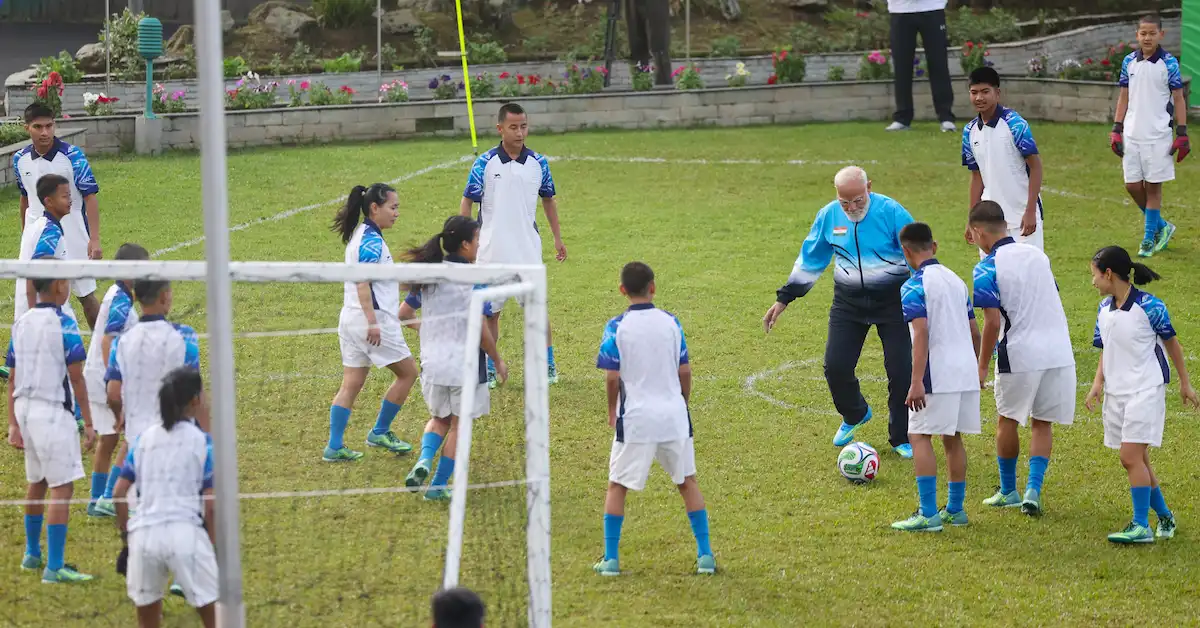
The political class, long accustomed to treating the under-30s as a reliable demographic rather than a restive one, has responded with conspicuous energy. Prime Minister Narendra Modi, whose digital presence once specialised in carefully produced addresses and yoga demonstrations, has taken to posting informal, vertically shot videos in which he greets “friends” in the casual register of a slightly awkward uncle who has discovered reels. Cabinet colleagues and government departments have followed, churning out short clips on platforms favoured by the young. The BJP’s social-media operation has experimented with gym-set banter, sitcom references and Gen-Z slang, while the Rashtriya Swayamsevak Sangh’s chief has begun addressing student gatherings with the air of a patriarch determined to understand the new vocabulary. The message is consistent: the future of a Viksit Bharat rests with the young, and the government is listening—provided the listening occurs on approved channels.
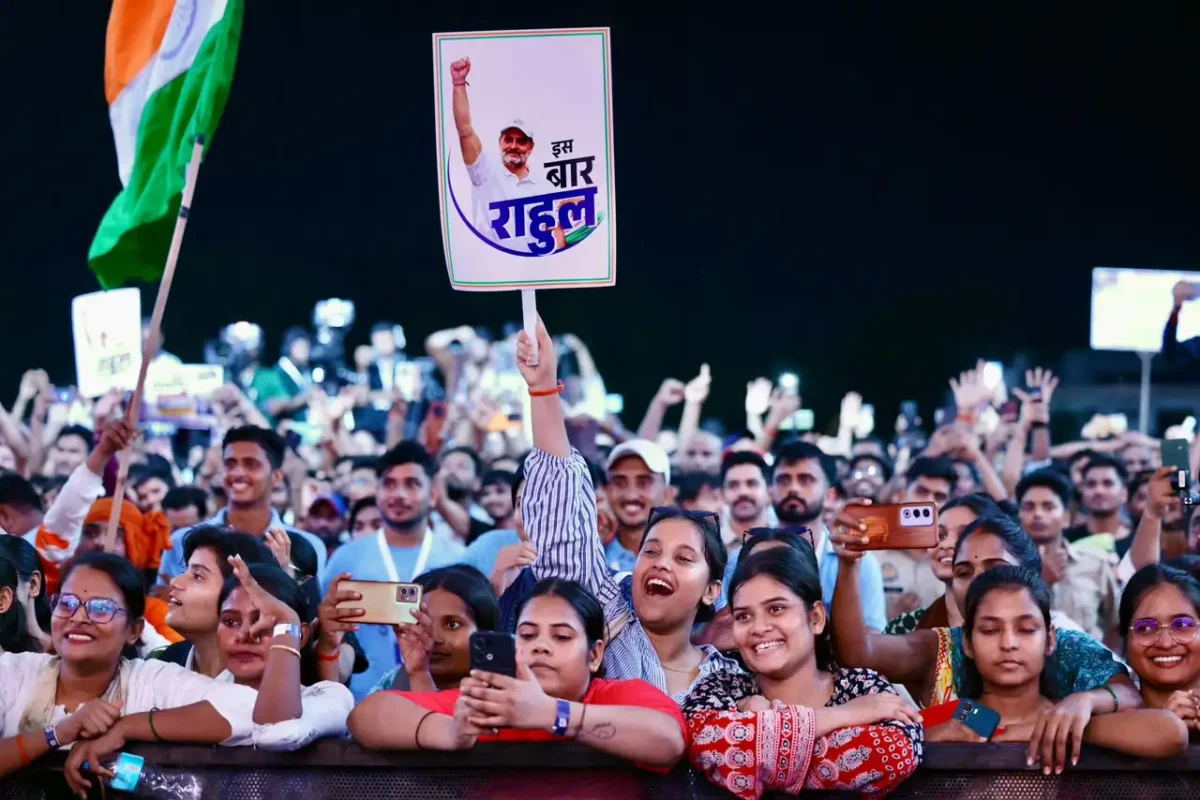
Not to be outdone, the opposition has scrambled onto the same terrain. Rahul Gandhi, the Congress leader, has long sought to position himself as a champion of the aspirational young, yet the 2026 protests offered a sharper opportunity. Party workers and allied student outfits amplified the demands for accountability; Mr Gandhi and colleagues appeared at related demonstrations and in Parliament, framing the episode as evidence of systemic failure under the BJP. The Congress’s youth wing and broader INDIA-bloc formations have sought to claim the mantle of representation, even as the original movement remained largely independent of traditional party structures. The spectacle of established politicians adopting the language of the street—memes, irony, and the knowing deployment of “vibes”—has been hard to miss.
The sudden attentiveness is not mysterious. India’s median age is low; more than a third of the population is under 25. Youth unemployment, particularly among graduates, has remained stubbornly elevated according to recent labour surveys, while the coaching industry and high-stakes entrance examinations continue to extract heavy financial and psychological costs. The NEET episode crystallised a broader sense that the machinery of opportunity is both overcrowded and prone to leakage.
Youth unemployment, particularly among graduates, has remained stubbornly elevated: the Periodic Labour Force Survey monthly bulletin for June 2026, released by the National Statistical Office on 15 July, put the rate for those aged 15–29 at 16.2 per cent, while the State of Working India 2026 report from Azim Premji University has highlighted figures approaching 40 per cent among certain graduate cohorts.
A government that built much of its early appeal on the promise of jobs and national renewal, and an opposition still recovering from successive national defeats, both have reason to fear that this cohort may prove less loyal than previous ones.
Yet the courtship carries its own risks of absurdity. The same politicians who once dismissed street protests as the work of “anti-national” elements or opposition proxies now compete to master the idiom of those streets. Short-form video and carefully calibrated slang may signal attentiveness; they do not automatically expand formal employment or restore confidence in examination bodies.
The Cockroach movement’s residual plans for listening tours and continued scrutiny suggest that at least some of its organisers intend to test whether the newfound solicitude produces more than content. History offers mixed guidance: earlier waves of student and farmer agitation extracted concessions without immediately rewriting the electoral map. Whether the post-Pradhan outreach marks a genuine recalibration or merely a seasonal performance will become clearer as the next general election approaches in 2029. Until then, India’s political class can be relied upon to keep posting—earnestly, awkwardly, and in the hope that the young are still watching.