As the heads of India’s Border Security Force (BSF) and Bangladesh’s Border Guard Bangladesh (BGB) prepare to convene in New Delhi from June 8th to 11th for their 57th Director General-level coordination conference, the meeting carries more than routine diplomatic weight.
It is the first such high-level encounter since Bangladesh’s Bangladesh Nationalist Party (BNP) formed a government earlier this year, following a period of political transition. The agenda underscores persistent frictions along one of the world’s longest and most complex land borders: assaults on Indian personnel and civilians, fence breaching, trans-border crime, and the management of gaps in physical barriers. The meeting comes close after Prime Minister Narendra Modi’s Bharatiya Janata Party (BJP) formed its government in West Bengal after inflicting a crushing defeat to the Trinamool Congress (TMC), ending Chief Minister Mamata Banerjee’s 15 year rule in the state. Curbing Illegal infiltration from Bangladesh was one of the key poll plank of the BJP.
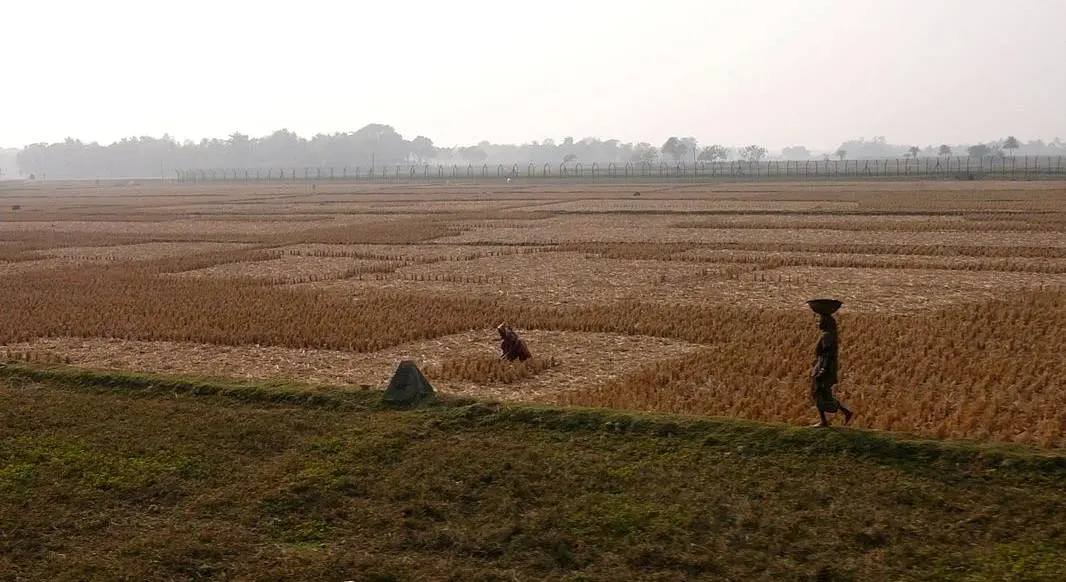
The 4,096-kilometre frontier, which snakes through rivers, marshes, and densely populated villages, has long tested bilateral relations. India has fenced roughly 3,200 km, yet some 860 km remain open, including stretches deemed “not feasible” due to geography. These unfenced sections, officials argue, facilitate smuggling of cattle, narcotics, and arms, as well as illegal migration and occasional militant activity. Bangladeshi perspectives often emphasise alleged excessive force by Indian guards and disruptions from fencing work close to the zero line, which Dhaka views as provocative.
Recent Indian concerns centre on assaults. BSF statements ahead of the talks highlight prevention of attacks on its troops and Indian civilians by Bangladeshi nationals, alongside efforts to curb entry of criminals and fence-breaching incidents. In previous years, dozens of BSF personnel have been injured in clashes involving stone-pelting, sharp weapons, or attempts to snatch arms during smuggling operations. Such episodes, while not always lethal, erode trust and complicate day-to-day patrolling. India also seeks stronger action against Indian insurgent groups allegedly finding sanctuary on the Bangladeshi side.
From Bangladesh’s vantage, the narrative frequently focuses on “border killings.” Human-rights monitors report that BSF actions resulted in numerous Bangladeshi deaths in recent years, often during alleged smuggling attempts or crossings. Dhaka routinely raises cases of firing, detentions, and what it sees as unauthorised Indian construction within the 150-yard buffer zone stipulated in bilateral understandings. Tensions have flared over specific fencing drives in districts such as Malda, Dakshin Dinajpur, and areas near the Tin Bigha Corridor, where locals on both sides have clashed and BGB has intervened.
The border’s porosity reflects deeper socioeconomic realities. Rural poverty, population pressure, and lucrative illicit trades—cattle rustling remains notorious—drive risky crossings. Seasonal factors, such as fog or flooding, exacerbate vulnerabilities. Both sides acknowledge the human cost: families divided by the Radcliffe Line, farmers whose fields straddle the boundary, and communities caught between security imperatives and livelihood needs. Yet mutual recriminations persist. Indian officials stress self-defence and the necessity of infrastructure to deter crime; Bangladeshi voices decry what they term trigger-happy responses and encroachment on sovereign sensitivities.
This week’s conference, to be led by BSF Director General Praveen Kumar and BGB’s Maj Gen Mohammad Ashrafuzzaman Siddiqui, offers a structured forum for these grievances. Discussions are expected to cover not only immediate incidents but also broader confidence-building measures, border infrastructure, joint patrols under the Coordinated Border Management Plan, and intelligence-sharing on militants. A joint record of discussions is anticipated at the close.
The timing is significant for both governments. In India, the Modi administration has repeatedly signalled a firm stance against illegal infiltration, with Union Home Minister Amit Shah emphasising “detect, delete, and deport” policies targeting undocumented migrants, including Rohingyas. For Bangladesh’s new BNP-led dispensation, the talks represent an early test of pragmatic engagement with Delhi amid domestic priorities and a desire to stabilise ties strained under previous arrangements. Historical patterns suggest cycles of tension and thaw; cooperation on issues such as water-sharing, trade, and counter-insurgency has coexisted uneasily with border flashpoints.
Analysts note that durable solutions will require more than fencing or flag meetings. Completing the barrier where feasible, while investing in smart surveillance, community engagement, and economic alternatives for border populations, could reduce incentives for illicit activity. Enhanced legal migration pathways and people-to-people contacts might also ease pressures. Yet sovereignty sensitivities and domestic politics on both sides constrain bold moves.
The India-Bangladesh border is not merely a security line; it is a living artery connecting two populous, culturally intertwined nations whose stability matters to South Asia’s broader equilibrium. As delegates gather in Delhi’s Lodhi Road BSF headquarters, the challenge lies in translating familiar talking points into actionable restraint and reciprocity. Success will be measured not in grand declarations but in fewer incidents, fewer casualties, and a gradual thickening of trust along a frontier that, for all its challenges, binds the neighbours as much as it divides them.