As fragile truces flicker across the Middle East in early June 2026, Egypt finds itself once again at the centre of a high-stakes diplomatic tightrope. With indirect US-Iran talks suspended and a partial Israel-Hezbollah ceasefire holding only tenuously in Lebanon, Cairo is doubling down on back-channel mediation even as its Gulf benefactors grow impatient with what they see as insufficiently robust solidarity.
The US-Israeli war with Iran, launched in late February, has tested Egypt’s long-standing “strategic balance” doctrine like never before, according to the International Crisis Group. President Abdel Fattah al-Sisi’s government wants the conflict to end swiftly, fearing a collapsed Iran would spawn prolonged regional instability, embolden Israel on Egypt’s north-eastern flank, and inflict further economic pain on an already strained nation.
Intelligence sources say Cairo has leveraged diplomatic and intelligence channels to facilitate messaging between Washington and Tehran, working in loose concert with Türkiye and Pakistan with Saudi Arabia coordinating quietly behind the scenes. Islamabad has taken the lead on ceasefire frameworks at Iran’s request, while Egyptian officials have shuttled proposals and red lines. This mediation push aligns with three Cairo goals: containing the crisis, supporting Gulf allies without full entanglement, and bolstering Arab cohesion to offset Israeli influence.
Yet the approach irks some Gulf capitals. They view the war as an existential threat to their economies and security, expecting firmer Egyptian condemnation of Tehran and less emphasis on criticising the conflict’s origins. Egyptian officials highlight their efforts: Sisi’s visits to Gulf states in March and May, repeated statements of “full solidarity,” and the symbolic deployment of fighter jets and personnel, including Rafale aircraft to the UAE. Foreign Minister Badr Abdelatty has made multiple regional trips. Still, murmurs of dissatisfaction persist, with some Gulf commentators contrasting “firm support” from certain Arab partners against Cairo’s more nuanced stance.
Economic realities make this balancing act perilous. Gulf investments , including billions in central bank deposits from Saudi Arabia and Kuwait, and nearly $30 billion from the UAE in property deals, have kept Egypt solvent amid debt woes.
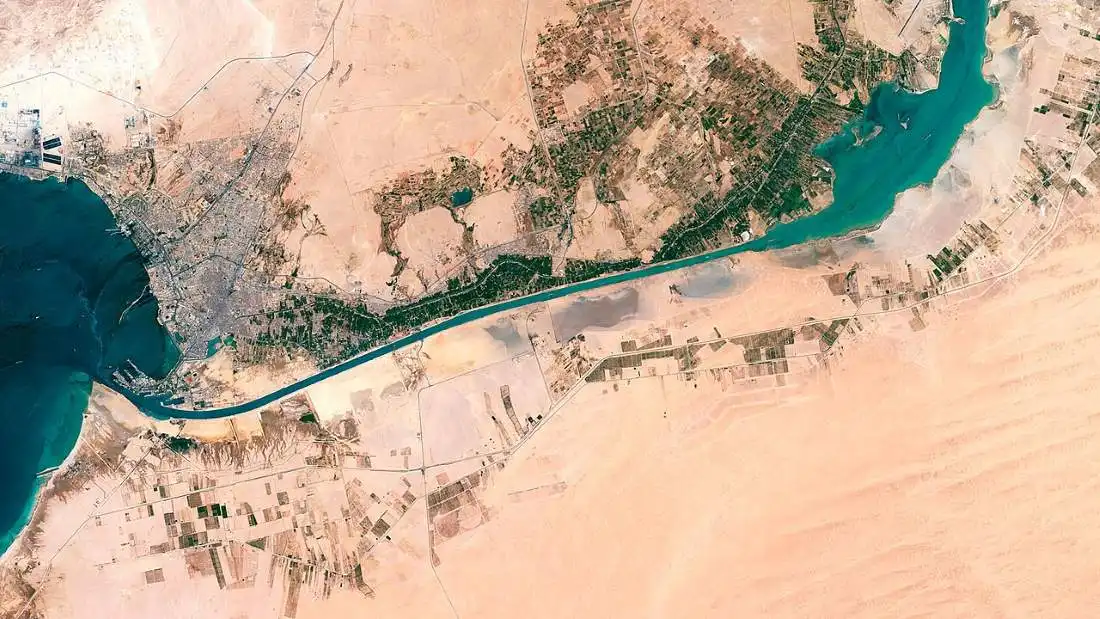
The war disrupted a tentative recovery: Suez Canal revenues fell sharply earlier this year amid renewed Red Sea risks, energy costs surged, and the Egyptian pound weakened before stabilising around 52 to the dollar in recent days. Power cuts and austerity measures have darkened streets, fuelling public anxiety over inflation and living costs far more than distant geopolitical alignments.
Domestic sentiment reinforces restraint. While anti-Israel feeling is widespread, most Egyptians oppose deeper involvement in what they see as a US-Israeli-initiated conflict. Past traumas — the 1960s Yemen intervention and wars with Israel — underpin Cairo’s preference for diplomacy over military adventurism. Egypt lacks the financial or military leverage of its richer Gulf partners to shape non-state actors, making cautious engagement its primary tool.
Counterpoints from regional analysts note that Egypt has gone beyond pure neutrality. It has condemned Iranian strikes on Gulf targets, facilitated pre-war nuclear discussions with Tehran, and used its unique channels for influence. Past disagreements with the Gulf over Yemen, Libya, Sudan, and Syria were ultimately contained. Yet the current stakes feel higher for Gulf states wary of Iranian sleeper cells, infrastructure threats, and Hormuz disruptions.
As of June 2026, with negotiations stalling and risks of renewed escalation looming, Egypt’s room for manoeuvre is narrowing. Prolonged friction could see Gulf investment flows slow, just when Cairo needs them most. Conversely, over-alignment risks isolating Egypt from valuable de-escalation levers.
In the marble corridors of power in Cairo, the calculation remains clear: stability through balance. But with the regional order in flux and economic lifelines at stake, how long this calibrated path can hold — and whether Gulf partners will continue to fund it — may define Egypt’s influence for years to come.