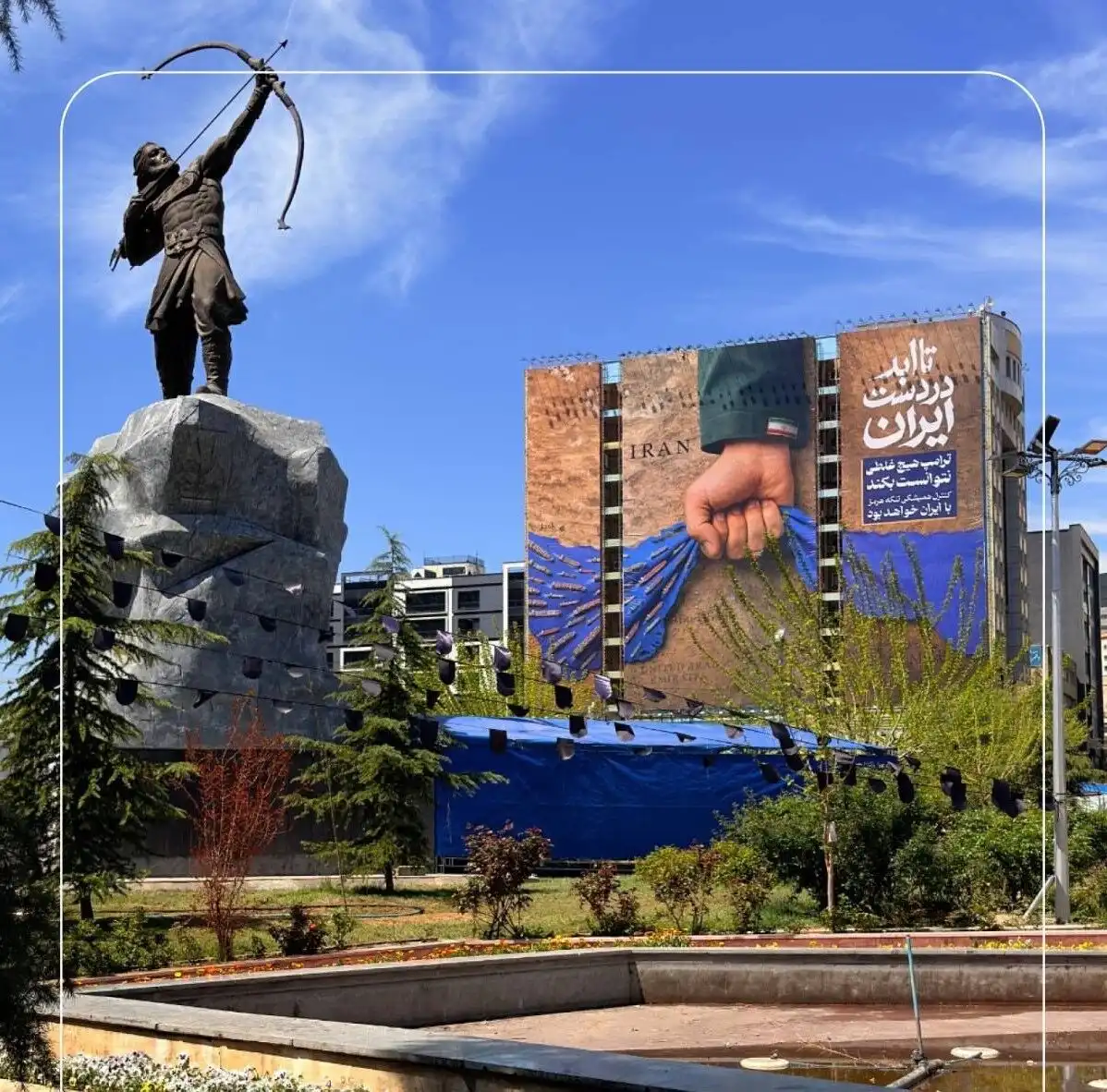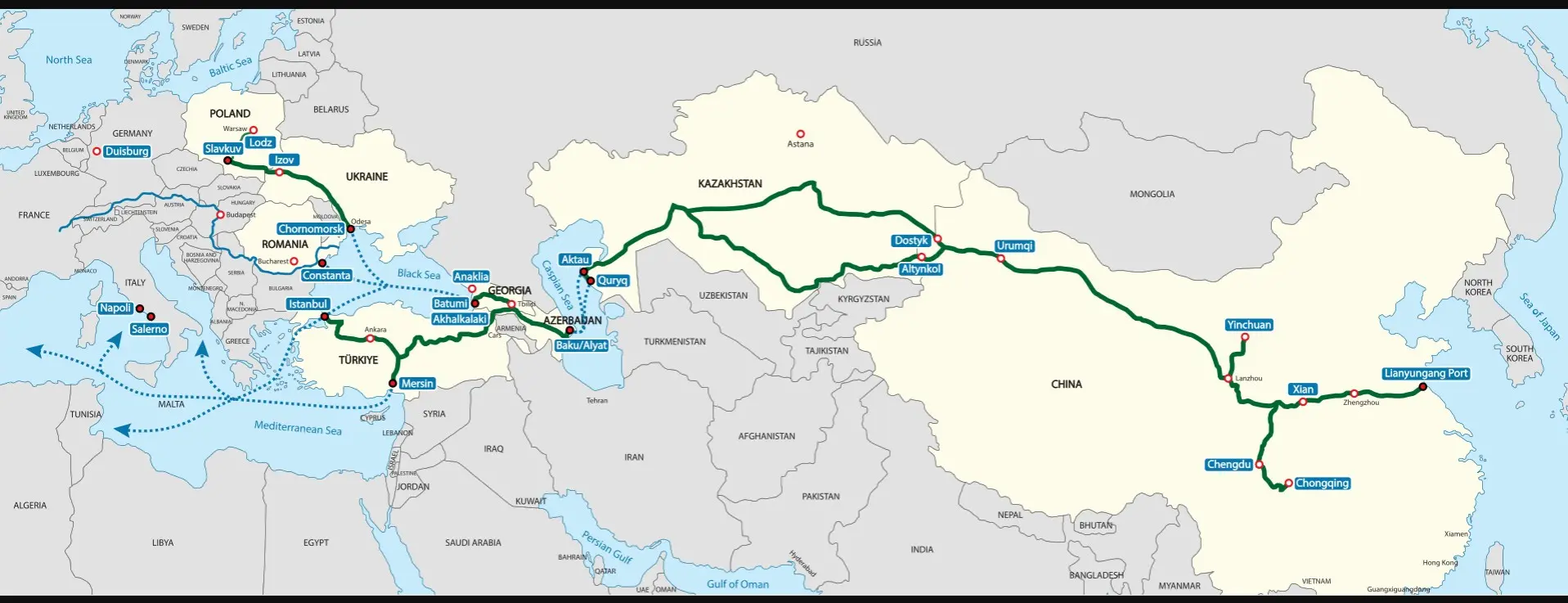
In the shadow of a war that began with thunderous American and Israeli strikes in late February, the Middle East finds itself in a familiar but perilous limbo. A fragile ceasefire, brokered in April largely through Pakistani mediation, holds—barely—while high-stakes diplomacy jostles against the threat of renewed violence.
On one side, Pakistan’s army chief, Field Marshal Asim Munir, shuttles between Islamabad and Tehran, hosting Iran’s Foreign Minister Abbas Araghchi for talks aimed at stitching together a lasting peace. On the other, President Donald Trump, according to American reporting, is seriously considering fresh military action if negotiations fail to deliver.
The conflict erupted on February 28 when the US and Israel launched extensive strikes on Iranian military sites, nuclear facilities, and leadership targets, including the killing of Supreme Leader Ali Khamenei. Iran retaliated with missile barrages and, crucially, disrupted shipping through the Strait of Hormuz, the narrow chokepoint carrying about one-fifth of global oil. A Pakistani-mediated ceasefire in early April paused the direct fighting, but underlying disputes—over Iran’s nuclear programme, the strait’s governance, sanctions, and regional proxies—remain unresolved.
Pakistan’s Unusual Role
Pakistan’s emergence as a central mediator is one of the more intriguing twists in this saga. Long viewed warily in Washington for its ties to militant groups and complex relationship with China, Islamabad has leveraged its connections to both Washington and Tehran. Field Marshal Munir, recently elevated and wielding significant influence, has conducted multiple rounds of shuttle diplomacy. Meetings with Araghchi in both capitals have focused on de-escalation, reopening the strait, and bridging gaps for a broader accord.
For Pakistan, the stakes are high. Stability in the Gulf serves its economic interests, particularly remittances from workers and energy imports. Success could also burnish its diplomatic credentials at a time when it seeks to balance relations with America, China, and the Islamic world. Yet mediation is a risky business: failure could expose the limits of Pakistani leverage, while over-reliance on the army chief in foreign policy raises eyebrows about civilian oversight at home.
Trump’s Dual Track
The American position remains characteristically Trumpian: maximum pressure paired with the possibility of a deal. Axios has reported that the president is actively weighing renewed strikes, warning that the “clock is ticking” and that Iran could face harder blows if it does not offer meaningful concessions.
At issue are core demands: unfettered navigation through the Strait of Hormuz, curbs on Iran’s nuclear enrichment (including the fate of its highly enriched uranium stockpile), and an end to activities that threaten Israel and Gulf neighbours. Iran has proposed phased approaches—reopening the strait and ending the war first, with nuclear talks deferred—but American officials have dismissed these as insufficient. A US naval blockade of Iranian ports adds economic bite to the diplomacy.
This “talk-and-prepare” strategy reflects Trump’s preference for leverage. Yet it carries risks. Another round of strikes could further destabilise the region, spike oil prices (already jittery), and complicate relations with China and Europe, which favour de-escalation. Gulf states, while wary of Iranian power, are urging restraint to avoid broader economic pain.
The Nuclear and Strategic Knot
Beneath the immediate crisis lies Iran’s nuclear programme, degraded but not destroyed by earlier strikes. Tehran insists on its right to enrichment; Washington demands credible assurances against weaponisation. Control of the Strait of Hormuz has taken on near-existential importance for Iran, with some officials likening it to a strategic asset on par with nuclear capability. Iran has floated ideas of tolls or new management regimes, which the US rejects.
Analysts at think tanks and in regional reporting note that hardliners in Tehran, strengthened by the war, resist major concessions. In Washington, hawks see an opportunity to reshape the region decisively, while pragmatists worry about the law of unintended consequences—strengthening Iranian resolve or pushing it closer to other powers.
What Lies Ahead
The coming days are critical. Pakistani facilitation continues, with Araghchi’s recent meetings signalling Tehran’s willingness to keep channels open. Yet trust is thin, and domestic politics intrude: Trump faces expectations of a swift resolution that delivers lower energy prices, while Iran’s leadership must project strength amid internal strains.
A deal remains possible—a limited framework addressing the strait and immediate hostilities, with nuclear issues deferred or phased. But the alternative, renewed conflict, would be costly for all. Global markets, shipping lanes, and millions of lives in the region hang in the balance. Pakistan’s unlikely role as honest broker may prove pivotal, or merely a footnote in a story destined for escalation. For now, the region holds its breath, watching whether diplomacy or the drumbeat of war will prevail.