In the marshes and floodplains of Jonglei state, the rhythm of life has once again been drowned out by the sound of gunfire and distant explosions. What began as political posturing has, by mid-2026, morphed into something far more ominous: the effective collapse of South Sudan’s 2018 peace architecture and the resurgence of organised armed conflict.
President Salva Kiir’s government has pivoted decisively away from the Revitalised Agreement that once promised power-sharing with Riek Machar’s SPLM-IO. Instead of dialogue, Juba has pursued a military solution. Government forces, backed by aligned militias, have launched offensives in Jonglei, Upper Nile, and parts of the Equatorias. Aerial bombardments, once rare, have become a grim feature of the landscape. Opposition factions, fragmented yet resilient, have struck back, capturing positions and deepening the cycle of retaliation.
This is not yet the full-scale civil war of 2013-2018, which claimed nearly 400,000 lives. But the trajectory is unmistakable. UN High Commissioner for Human Rights Volker Türk warned in February that the country stands “at a dangerous point,” with rising violence and political uncertainty threatening a return to all-out conflict. He described it as one of the world’s “forgotten crises.”
The Human Cost Behind the Headlines
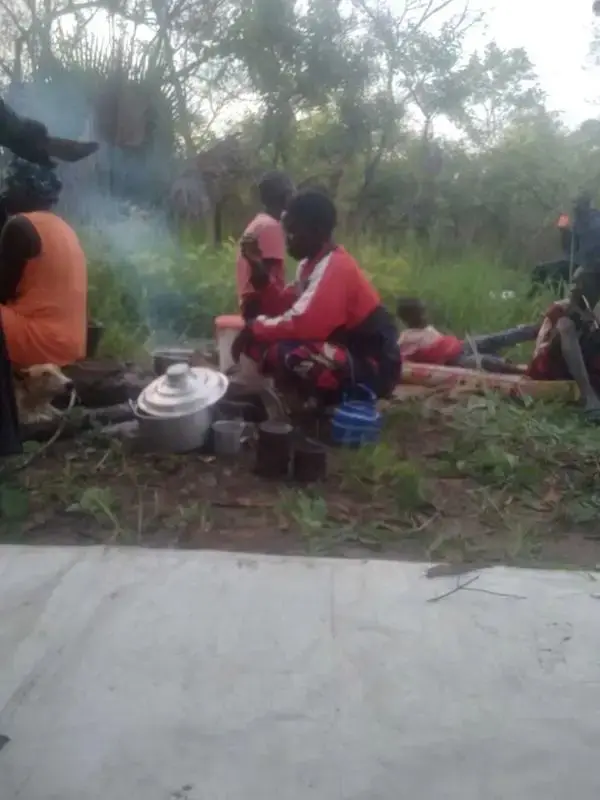
The numbers are staggering even by regional standards. Over 10 million people — roughly two-thirds of the population — require humanitarian assistance in 2026. Hundreds of thousands have been newly displaced in Jonglei alone, joining millions already uprooted.
Reports from the ground speak of villages burned, civilians caught in crossfire, and the familiar horrors of sexual violence and child recruitment resurfacing. Humanitarian access, never easy in this vast and waterlogged nation, has deteriorated further amid the fighting.
What sets this resurgence apart is its timing. South Sudan is absorbing the spillover from Sudan’s brutal civil war next door — over a million returnees straining already depleted resources. Climate shocks, flooding, and livestock raids compound the misery. Yet international attention remains fleeting. Donor fatigue is real; funding appeals are chronically under-resourced. As one senior UN official noted of a neighbouring crisis, these are not merely “forgotten” but increasingly “abandoned.”
Power, Not Peace
The deeper story is not simply ethnic rivalry or resource competition, though both play their part. At its core, this is a crisis of governance and elite accountability. The 2018 deal was always fragile — a marriage of convenience between armed factions rather than a genuine social contract. Kiir’s decision to dismantle the unity government, pursue treason charges against opponents, and prioritise military consolidation reflects a calculation that raw power can succeed where compromise failed.
Yet this approach risks repeating history’s bitter lesson: in South Sudan, military victory is illusory. The country’s ethnic mosaic and dispersed geography favour prolonged insurgency over decisive defeat. Fragmented opposition groups may lack unified command, but they draw strength from local grievances, youth unemployment, and the enduring culture of the gun.
Economically, the stakes are high. Oil remains the lifeblood, yet production and revenues are vulnerable to instability. Without credible governance, reconstruction is impossible. International partners, from China (with oil interests) to Western donors, face an uncomfortable choice: prop up a faltering regime or risk regional contagion that could further destabilise the Horn of Africa.
The Deeper Tragedy
Beyond geopolitics lies a deeper tragedy. South Sudan’s independence in 2011 was hailed as a triumph of self-determination — a young nation rising from decades of marginalisation. Today, it stands as a sobering case study in the limits of elite-led nation-building. When leaders treat the state as a prize to be divided rather than a trust to be stewarded, ordinary citizens pay the price in blood and lost futures.
The invisible wounds may prove the hardest to heal: generations of children denied education, communities fractured by betrayal, and a collective psyche scarred by repeated cycles of hope and horror. True resolution demands more than ceasefires; it requires a reckoning with the moral failure of governance that places personal power above collective dignity.
As fighting intensifies in the rains of 2026, South Sudan tests the world’s commitment to multilateralism and humanitarian solidarity. Mediators from the African Union and IGAD continue quiet efforts, but without sustained pressure — and perhaps targeted incentives and sanctions on spoilers — the slide into deeper war appears difficult to arrest.
This is not another distant African conflict. It is a warning of what happens when the international community looks away: fragile states unravel, suffering multiplies, and the ghosts of unfinished peace deals return to haunt us all. The people of South Sudan, resilient as they are, deserve better than to be consigned to the margins of global concern.
(Sources drawn from UN reports, Crisis Group analysis, Human Rights Watch, and field reporting up to June 2026).