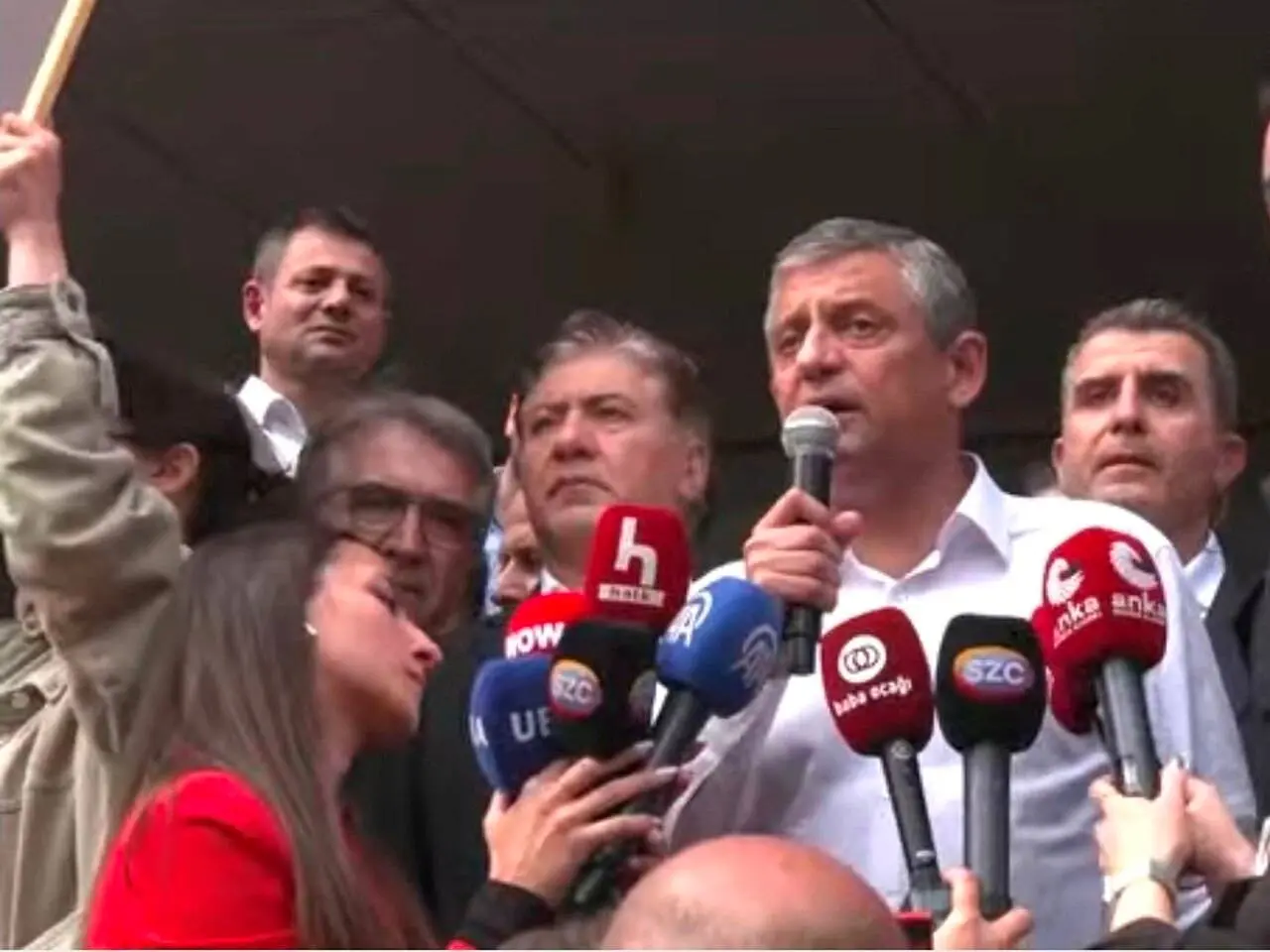
On a recent Saturday in Ankara, tens of thousands of people marched through the city centre in support of Ozgur Ozel, the deposed leader of Turkiye’s main opposition party. They chanted against his predecessor, waved flags and ended their rally at the mausoleum of Mustafa Kemal Atatürk, founder of the modern Turkish republic. The scene was dramatic but familiar in a country where street protests have often signalled deeper political fractures.
The immediate cause was a court ruling on May 21st that annulled the 2023 leadership congress of the Republican People’s Party (CHP), removing Mr Ozel and reinstating Kemal Kılıçdaroglu, the veteran whom he had defeated. Critics called it a “judicial coup”. The government insisted it was merely upholding the law. For outsiders, the episode reveals much about the state of Turkish democracy after more than two decades under President Recep Tayyip Erdogan.
A Country at the Crossroads
Turkiye is a nation of some 85m people, straddling Europe and Asia, with a rich history that includes the Ottoman empire and Atatürk’s secular republic founded in 1923. A NATO member with a large, youthful population and a strategic location controlling Black Sea access, it matters to the world—as a migrant route to Europe, an energy corridor, a trading partner and, increasingly, an unpredictable regional power.
Its economy is equally significant: a big emerging market with a vibrant private sector, but one prone to boom-and-bust cycles. Inflation has long been a headache; recent regional conflicts have added pressure through higher energy costs. The lira has been defended with reserves and high interest rates, but ordinary Turks feel the pinch in daily prices. Economic discontent helped fuel opposition gains in local elections, yet it has not yet translated into a national breakthrough.
The Erdogan Era
Mr Erdogan, a former mayor of Istanbul from an Islamist-rooted background, came to power in 2003 as prime minister and has dominated ever since, becoming president in 2014. Early years brought economic growth, infrastructure booms and a more assertive foreign policy. But over time, especially after a failed coup attempt in 2016, power has concentrated. A 2017 referendum strengthened the presidency. Critics speak of “autocracy” or “competitive authoritarianism”: elections happen, but the level playing field is tilted through control of media, judiciary and state resources.
The CHP, Ataturk’s own party, represents the secular, Kemalist tradition. It has often struggled against the more socially conservative and pious base of Mr Erdogan’s Justice and Development (AK) party. In 2023, Mr Kılıçdaroglu ran a unified opposition campaign but still lost the presidency. Mr Özel, a more dynamic figure, took over the party and led it to strong results in 2024 municipal elections, capturing or holding major cities including Istanbul and Ankara. This suggested momentum.
The Latest Blow
That momentum has been disrupted. Ekrem İmamoğlu, the popular mayor of Istanbul and a leading potential presidential contender, has been in jail since 2025 on corruption and other charges widely viewed as politically motivated. Hundreds of other opposition figures have faced legal pressure. The court move against Mr Özel fits a pattern: using the judiciary to hobble rivals.
Mr Kılıçdaroglu, now reinstated at 77, is seen by many in the party as a serial loser, less threatening to the government. Mr Ozel retains grassroots support and has vowed to fight on, organising rallies and appealing the decision. The CHP is divided, with factions trading accusations. Police have clashed with protesters and entered party headquarters.
For foreign observers, this raises classic questions about “managed democracy”. Independent institutions are supposed to check executive power; when courts appear to reshape opposition parties, trust erodes. Human Rights Watch and others have condemned the move as damaging the rule of law.
What Lies Ahead
Turkiye faces a presidential election in 2028, though snap polls are possible. Mr Erdogan, whose term limits are a topic of debate, has shown skill in resetting the clock before. A weakened or divided CHP helps his prospects. Yet Turkish voters are pragmatic; persistent inflation or a sharp economic downturn could shift sentiment, as could regional instability.
The opposition’s resilience should not be dismissed. Large rallies show genuine discontent among secular and urban voters. Mr Imamoglu, even from prison, remains a symbolic figure. Broader society includes Kurds, liberals, nationalists and pious conservatives—alliances are fluid.
Turkiye’s story is one of contradictions: a dynamic society with an ancient capital (Istanbul) that is a global cultural hub, yet a political system where power feels increasingly personal. Outsiders often view it through lenses of migration deals, defence ties or energy. But the domestic struggle over institutions and accountability will shape its future trajectory.
The march in Ankara was not a revolution. It was, however, a visible reminder that Turkish politics remains contested. Whether courts serve justice or strategy, and whether the opposition can unify despite judicial hurdles, will help determine if the country’s democracy deepens or narrows further. For a nation bridging continents, the stakes are high.