In the shadowed corners of detention facilities and occupied territories, sexual violence has long served as a weapon of war and domination. On May 29th, 2026, the United Nations placed two more state actors on its annual list of parties credibly suspected of systematic conflict-related sexual violence: the armed and security forces of Israel and Russia. The decision, buried in the Secretary-General’s latest report on the subject, marks a grim milestone. For the first time, established states with sophisticated militaries and legal systems find themselves alongside militias, jihadists, and warlords in this particular ledger of shame.
The report is no sensational headline-grabber. It is a sober, often dry compilation drawing on survivor testimonies, medical records, open-source material, and the painstaking verification work of UN specialists. Last year it documented 9,788 verified cases of conflict-related sexual violence worldwide—more than double the figure for 2024. The true toll, officials stress, is far higher. Many victims stay silent out of shame, fear of reprisal, or lack of trust in any authority. Rape, gang-rape, sexual torture, forced nudity, genital mutilation, and the use of objects as instruments of humiliation appear with disturbing regularity from Sudan to Haiti, Myanmar to the Sahel.
What sets the new listings apart is their political weight. Israel and Russia are not ragtag rebels. Both possess formidable conventional forces, advanced intelligence apparatuses, and vocal defenders on the international stage. Their inclusion reflects a judgment that patterns of abuse persist despite—or, in the UN’s view, with the tacit tolerance of—higher authorities.
Patterns in the Shadows
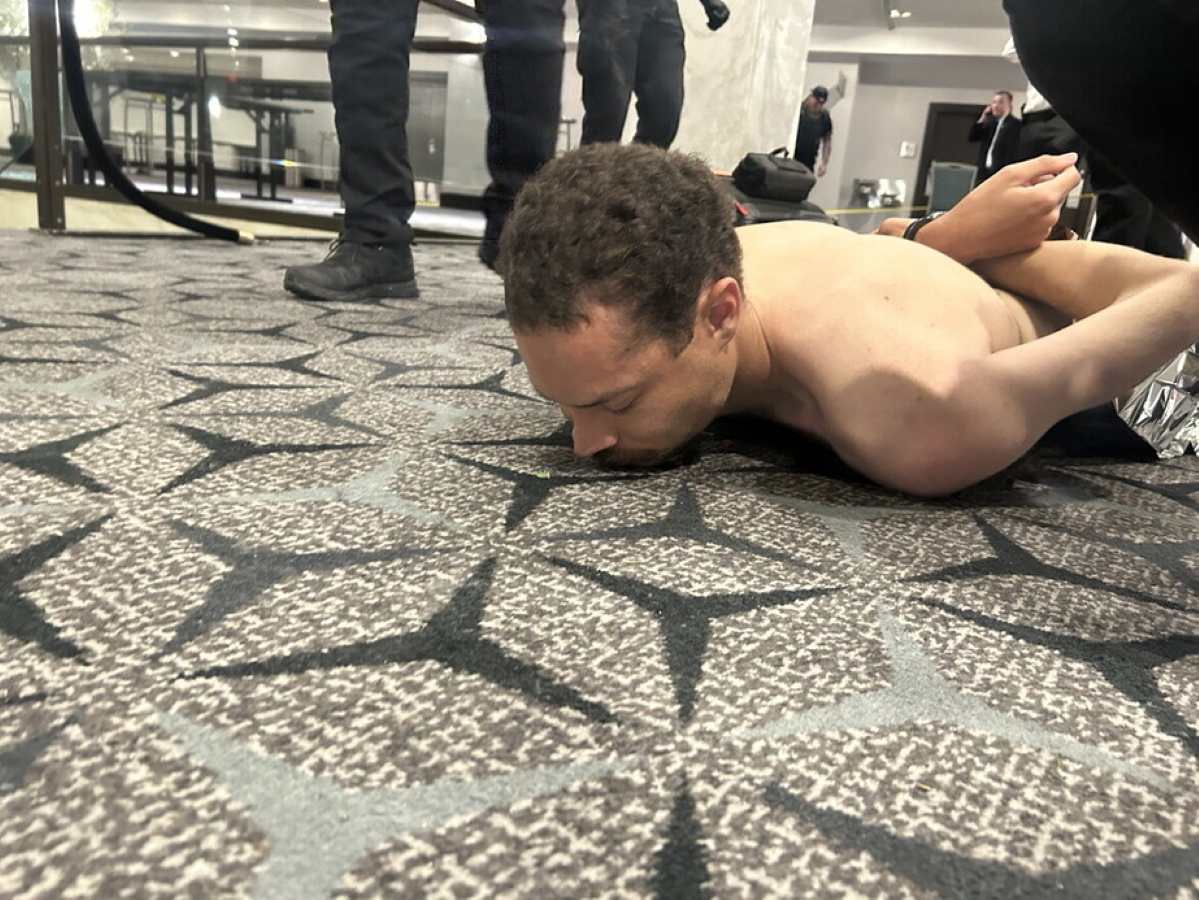
For Israel, the report verifies 31 incidents between 2023 and 2025, 13 of them in 2025 alone. The victims include 14 men, seven women, nine boys, and one girl, overwhelmingly Palestinians from Gaza and the West Bank. Many cases occurred in detention centres such as Sde Teiman, a site that has gained notoriety. Methods documented range from rape and gang-rape to the insertion of objects, electrocution and beating of genitals, forced nudity (sometimes filmed), and sexual threats deployed during interrogations.
One emblematic episode at Sde Teiman, captured on leaked CCTV footage, involved apparent severe abuse of a detainee, including rectal trauma later corroborated medically. Charges against soldiers were eventually dropped, a decision the UN cites as symptomatic of a broader “systemic lack of accountability.” Israeli authorities provided some information on procedures but offered limited evidence of genuine prosecutions for sexual violence. Access for UN investigators to detention sites remains heavily restricted.
Russia’s listing rests on an even larger verified sample: 310 cases, affecting roughly 280 men, 26 women, and four girls. These occurred primarily against Ukrainian prisoners of war and civilian detainees in official and unofficial facilities in occupied Ukraine and inside Russia itself. Russian armed forces, the Federal Penitentiary Service, and security agencies stand accused. Tactics include rape, gang-rape, genital mutilation, electric shocks to sensitive areas, and repeated sexual violence used explicitly as torture to extract information, humiliate, or break the spirit.
Here too, access for monitors is denied. Yet released prisoners reaching Ukrainian-controlled territory have provided consistent, harrowing accounts. The pattern, the UN suggests, is not the work of rogue units but something more entrenched.
Both governments reject the findings outright. Israel has called the process biased and politically motivated, severing ties with the office of Secretary-General António Guterres. Russia dismisses the allegations as fabrications. Such reactions are familiar; few states welcome public shaming.
How the UN List Works
To understand why this matters—or does not—one must grasp what this “blacklist” actually is. It is not a court verdict. It carries no automatic sanctions, no arrest warrants, no frozen bank accounts. Produced annually by the Secretary-General’s office with input from the Special Representative on Sexual Violence in Conflict (currently Pramila Patten), it relies on a “credible suspicion” standard for patterns rather than the criminal burden of proof required in a courtroom.
Parties are often placed “on notice” first, as Israel and Russia were last year. If concerns remain unaddressed—through credible investigations, prosecutions, prevention measures, or improved access—the listing follows. The goal is transparency, pressure, and, ultimately, deterrence. Persistent offenders can face stronger recommendations to the Security Council, though veto powers (Russia holds one; the United States often shields Israel) limit enforcement.
The mechanism sits alongside other UN “lists of shame,” such as the one for child recruitment or killing. Its power is primarily reputational and diplomatic. NGOs, aid donors, and domestic critics can cite it. Governments may hesitate to supply certain weapons or training. In an age of information warfare, it shapes narratives.
A Global Scourge
Placing Israel and Russia in context reveals uncomfortable truths. Sexual violence in war is ancient—think of the systematic rapes that accompanied conquests throughout history—but modern recognition of it as a deliberate tactic is relatively recent. The 1990s wars in Bosnia and Rwanda produced landmark jurisprudence treating mass rape as a crime against humanity and even genocide. UN Security Council resolutions since 2008 have sought to elevate the issue from a regrettable sideshow to a core threat to international peace and security.Yet progress is patchy. In Sudan’s Darfur crisis or eastern Congo’s endless conflicts, rape remains a cheap, effective tool of terror and ethnic cleansing. In many places, perpetrators enjoy near-total impunity. The spike to nearly 10,000 verified cases last year suggests the problem is worsening, not receding, amid multiplying conflicts.
For ordinary people far from Gaza or Donbas—whether in Indonesia, Brazil, or Kenya—the relevance of the issue is indirect but real. International norms, however imperfectly enforced, shape the world order that affects trade, migration, refugee flows, and security. When powerful states appear to flout rules on human dignity, it erodes the credibility of the entire system. Smaller nations wonder why they should restrain their own forces if the strong do not.
What Difference Does UN Listing Make?
Sceptics will argue: very little. Israel already faces intense scrutiny and legal challenges at the International Criminal Court. Russia operates under sweeping Western sanctions and isolation in much of the global south. A UN annex changes few battlefield calculations in the short term.
Optimists, or at least institutionalists, counter that documentation matters. Patterns recorded today can support future prosecutions, reparations claims, or truth commissions once conflicts subside. Public attention can spur domestic reformers or civil-society pressure. The very act of verification forces governments to respond, even if only with denials and counter-claims.
For victims, recognition itself holds value. A Palestinian man tortured in detention or a Ukrainian woman assaulted in occupied territory may draw cold comfort from a bureaucratic report, but the alternative—complete erasure—is worse. The UN process, for all its flaws and politicisation, insists that these crimes are not mere collateral damage but deliberate violations demanding investigation.
The broader lesson is a wake-up call . In conflicts marked by profound dehumanisation—whether framed as existential survival struggles or righteous liberation—restraints on sexual violence erode first. Armies reflect the societies and political cultures that send them. Where accountability is weak, where narratives of victimhood or supremacy dominate, abuse finds fertile ground.
Neither Israel nor Russia is likely to alter its conduct dramatically because of a UN report. Real change will require internal political will, credible domestic justice, or sustained external leverage. Yet the listing stands as a reminder that even great powers are not above scrutiny. In the grim arithmetic of modern warfare, sexual violence remains brutally effective—and shamefully common. The world continues to watch, document, and, too often, fail to stop it.