In the grand tradition of Middle Eastern diplomacy, the memorandum of understanding signed with some fanfare at Versailles in mid-June was never likely to endure. Less than a month later, President Donald Trump has declared the ceasefire “over”, even as mediators shuttle between capitals and Iranian officials head to Oman for fresh talks. Strikes have been exchanged, shipping in the Strait of Hormuz disrupted, and the familiar cycle of retaliation and recrimination has resumed. Yet neither side appears keen on all-out war. The result is a tense, twilight conflict—neither peace nor full hostilities—that reveals much about the limits of deal-making with the Islamic Republic.
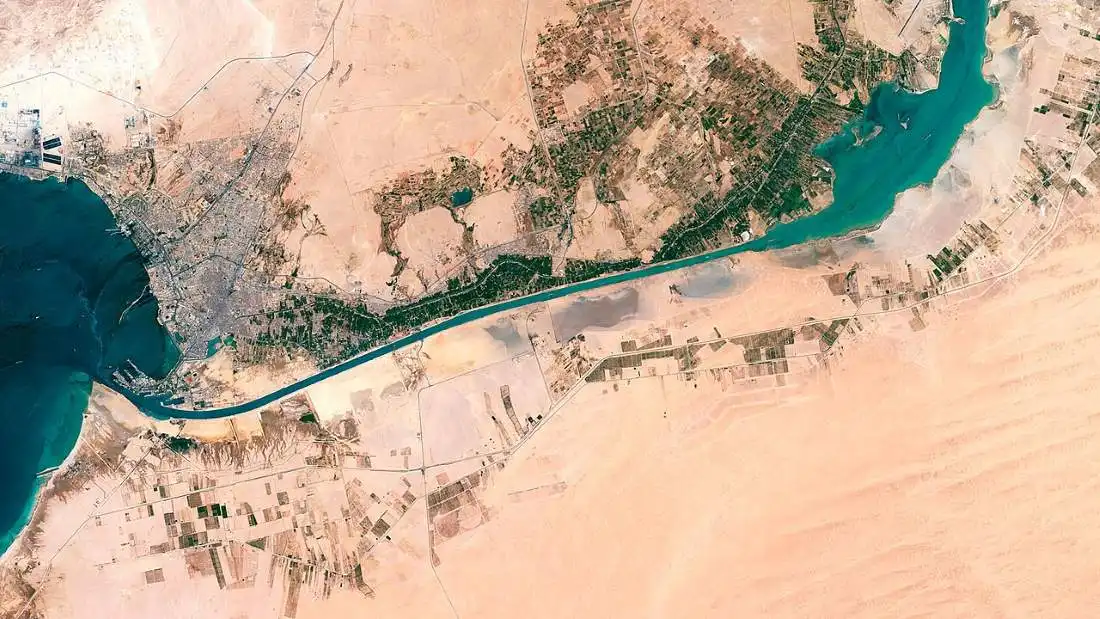
The agreement, a 14-point document hurriedly concluded after months of fighting that began in late February, was always more armistice than treaty. In exchange for a pause in hostilities, Iran was offered sanctions relief, the unfreezing of assets, and the promise of a hefty reconstruction fund. In return, it was to ensure safe passage for commercial vessels through the Strait of Hormuz—the vital chokepoint for roughly a fifth of global oil and gas flows—and to enter negotiations on its nuclear programme within 60 days. On paper, it looked like a classic Trump transaction: transactional, time-limited, and heavy on leverage. In practice, it exposed the contradictions inherent in both sides’ positions.
The flaws were evident from the start. The text was deliberately ambiguous on the most contentious points. Iran’s “best efforts” to keep the strait open left ample room for interpretation, particularly over fees, routing, and enforcement. Its nuclear commitments amounted to little more than a restatement of existing pledges, with thorny questions of enrichment levels and stockpiles deferred to future talks. Crucially, Israel—deeply invested in degrading Iranian proxies in Lebanon—was not a party to the deal. Hezbollah’s fate and Israeli operations in southern Lebanon were left in a grey zone that suited no one. Gulf Arab states, wary of Iranian retaliation, watched from the sidelines.
Such gaps might have been bridged with goodwill and time. Instead, they became crevasses. Within days of the signing, Iranian forces or affiliated elements were again harassing shipping. America responded with strikes on Iranian military infrastructure along the coast. Tehran cried foul, citing Israeli actions and alleged American violations; Washington accused Iran of bad faith. By early July the exchanges had escalated, with American forces hitting dozens of targets and Iran retaliating against bases in Bahrain, Kuwait, and elsewhere. Mr Trump, never one for understatement, pronounced the ceasefire dead while leaving the door ajar for negotiations. Iran, for its part, insists it is open to talks but ready for “all-out defence” if commitments are breached.
This is not mere tactical posturing. It reflects deeper realities. For Iran’s regime—hardened after the assassination of Supreme Leader Ali Khamenei earlier in the war and the subsequent empowerment of the Islamic Revolutionary Guard Corps—the conflict demonstrated resilience. Despite significant damage to its military infrastructure, it retained enough capability to impose costs through asymmetric means: mines, drones, missiles, and proxies. Closing or threatening the Strait of Hormuz remains its strongest card, a lever capable of roiling global energy markets and testing Western resolve. The regime has survived worse and emerged convinced that time is on its side, provided it can weather short bursts of American pressure.
America, meanwhile, finds itself in an unenviable bind. The initial military campaign degraded Iranian capabilities but fell short of decisive strategic victory. Continuing the fight risked higher oil prices, entanglement in a wider regional conflict, and domestic political costs. Yet retreating into a flawed deal has invited further challenges. The administration’s mixture of tough rhetoric and pragmatic diplomacy—characteristic of Mr Trump’s first term as well—reflects the absence of good options rather than a master plan. Congressional scepticism, Israeli objections, and the practical difficulties of verification add further complications.
The episode underscores perennial truths about dealing with Iran. The Islamic Republic is not a unitary actor; hardliners, pragmatists, and the security apparatus often pull in different directions. Agreements that leave core capabilities intact—enrichment infrastructure, missile programmes, proxy networks—invite testing. Deals built on economic relief without iron-clad enforcement mechanisms tend to erode once the immediate pressure subsides. Previous attempts, from the 2015 JCPOA onwards, have followed similar arcs of hope, implementation disputes, and collapse.
Yet dismissing diplomacy entirely would be equally misguided. The current lull, with Qatari mediators in Tehran and Iranian officials in Oman, suggests both sides recognise the mutual interest in avoiding economic self-harm. Global energy markets remain jittery; neither Washington nor Tehran wants a prolonged spike in oil prices ahead of key political calendars. The narrow channel for de-escalation—focused on Hormuz navigation and confidence-building measures—offers a slender reed on which to rebuild talks.
For outsiders, the spectacle is a reminder of the region’s entrenched dilemmas. Israel will not lightly abandon its campaign against Iranian entrenchment in Lebanon. Sunni Arab states demand credible assurances against future Iranian adventurism. America’s allies seek clarity on the extent of its commitment, while its adversaries probe for weakness. A lasting settlement would require addressing the nuclear question head-on, constraining missiles and proxies, and constructing a regional security architecture—objectives that have eluded diplomats for decades.
In the coming weeks, the test will be whether the latest round of shuttle diplomacy can produce even modest guardrails: clearer rules for the strait, perhaps a humanitarian or economic gesture, and a renewed timetable for nuclear discussions. Success would not resolve the underlying contest for influence in the Middle East; it would merely manage it. Failure risks a return to the attritional conflict of recent months, with all the attendant costs to global commerce and regional stability.
The Versailles memorandum was never going to be the end of the story. It was, at best, an interlude. Whether that interlude can be extended into something more durable depends on whether Washington and Tehran can overcome the contradictions that doomed it in the first place. History suggests caution. In the Middle East, ceasefires are rarely permanent; they are merely pauses for breath before the next round.