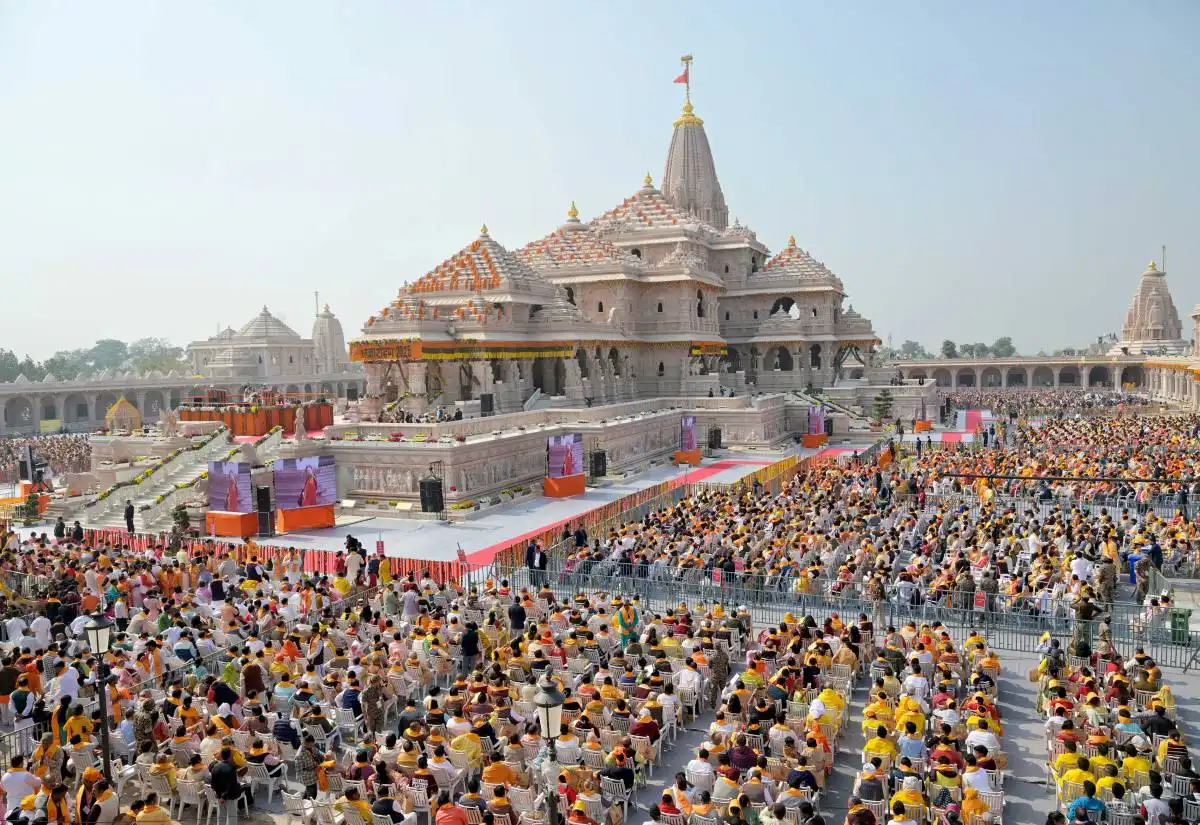
The alleged embezzlement of donations at the Ram temple in Ayodhya has become more than a criminal investigation. It has evolved into a political and institutional test for the organisations that spent decades building the Ram Janmabhoomi movement into the defining cause of Hindu nationalism.
What began with allegations of theft from donation boxes has, within days, produced an expanding chain of consequences: a Special Investigation Team (SIT) constituted by the Uttar Pradesh government, growing demands for accountability, resignations of three members of the the Shri Ram Janmabhoomi Teerth Kshetra Trust , including that of its general secretary, Champat Rai —and, finally, an unusually direct intervention by RSS General Secretary Dattatreya Hosabale.
The chronology itself is revealing.
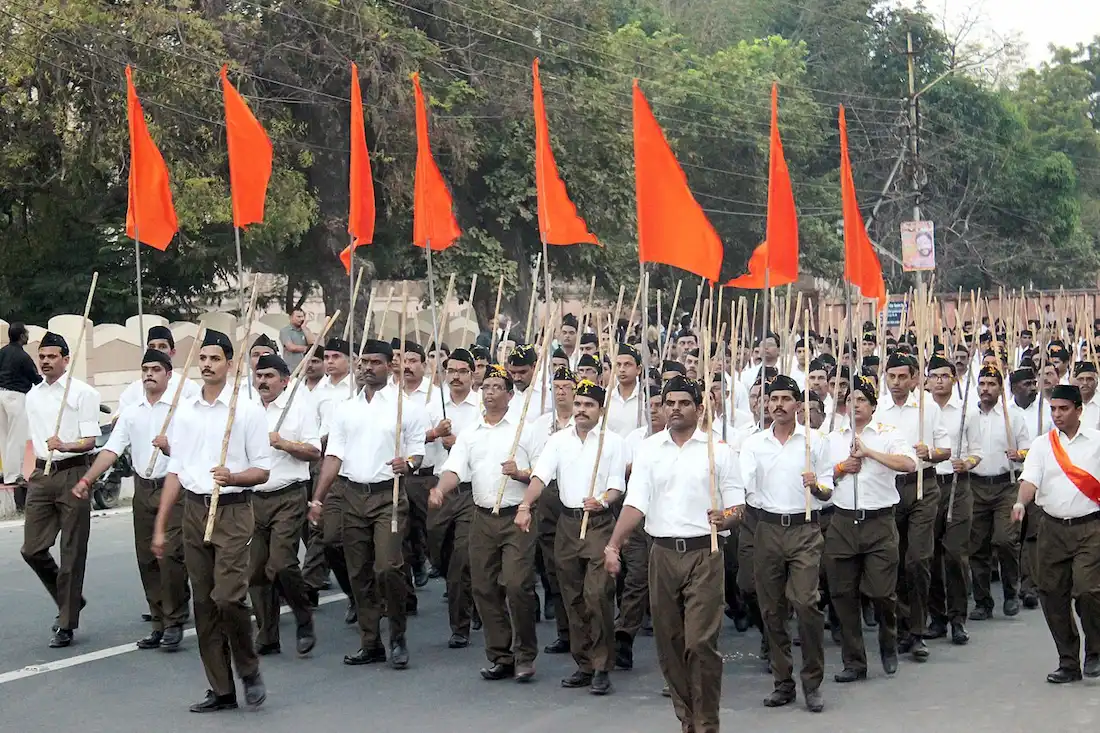
For several days after the allegations surfaced, the Rashtriya Swayamsevak Sangh (RSS), the Bharatiya Janata Party (BJP) and the Vishva Hindu Parishad (VHP) maintained a studied silence. That became increasingly difficult as criticism spread beyond opposition parties to sections of Hindu devotees, many of whom viewed the alleged diversion of offerings made to Lord Ram as a profound breach of religious trust rather than merely another financial crime.
The Ram temple is unlike most religious institutions in India. It is the culmination of a movement that defined the RSS and its affiliates for nearly four decades. The temple is not only a place of worship; it is the political, ideological and emotional centrepiece of the Sangh Parivar’s modern history. Allegations of corruption within its administration therefore carry consequences far beyond Ayodhya.
That explains why Hosabale’s intervention deserves attention.
His statement was notable not because it defended the temple administration but because it did not. Instead, it acknowledged the public anger, described devotees’ pain in unusually strong language, endorsed stringent punishment for anyone found guilty, called for transparent financial management and demanded that shortcomings in the temple’s administration be corrected without delay.
For an organisation that rarely criticises institutions closely associated with its own movement in public, the statement amounted to an implicit recognition that the controversy could not simply be ignored.
The immediate objective appears to have been institutional damage limitation rather than political confrontation. By publicly distancing the RSS from any alleged wrongdoing while simultaneously backing the investigation, the organisation sought to signal that accountability—not protection—would define its response. Equally significant was Hosabale’s appeal to devotees to remain patient while warning against attempts by “anti-Hindu” and “anti-national” forces to exploit the controversy. The statement balanced acknowledgement of administrative failure with an effort to prevent the episode from becoming a broader indictment of the Ram temple movement itself.
Whether that strategy succeeds depends largely on what the investigation uncovers.
The constitution of an SIT indicates that the Uttar Pradesh government recognises the sensitivity of the matter. Any perception that the inquiry lacks independence or transparency would almost certainly deepen public scepticism rather than contain it. Conversely, a credible investigation followed by visible institutional reforms could allow both the Trust and the wider Sangh Parivar to argue that corrective mechanisms worked as intended.
Opposition parties have sought to widen the political implications. The Congress has demanded complete transparency in the Trust’s finances and questioned how alleged irregularities could occur at one of the country’s most secure and closely monitored religious institutions. The Samajwadi Party has accused the state government of administrative failure and argued that accountability must extend beyond those directly accused of theft. Left parties have renewed calls for stronger oversight of religious trusts handling large public donations, saying institutions that receive substantial public contributions should be subject to rigorous financial scrutiny.
For the opposition, the controversy offers an opportunity to challenge the BJP on governance rather than ideology. Criticising the administration of the temple allows political rivals to raise questions about accountability without directly confronting the religious sentiments attached to the shrine.
For the BJP and the RSS, the stakes are higher.
The Ram temple has long been presented as evidence that the Sangh Parivar delivers on its historic promises. Any sustained controversy surrounding its administration risks weakening a symbol that has united supporters across generations. That does not necessarily translate into electoral damage; voting behaviour is shaped by multiple issues, and it remains too early to assess whether the episode will influence forthcoming assembly elections. Yet the unusually swift intervention by the RSS’s second-highest functionary suggests an appreciation that reputational risks, if left unattended, can acquire political consequences.
In that sense, Hosabale’s statement marks a shift from silence to containment. It reflects an understanding that safeguarding the credibility of the Ram temple now requires not only appeals to faith but also demonstrable standards of transparency, accountability and institutional integrity. The outcome of the SIT investigation will determine whether that effort restores confidence—or merely postpones more searching questions.