President Donald Trump repeatedly vowed to extricate America from “endless wars” and deliver peace through strength. Yet a detailed investigation by TheReality.News, drawing on Pentagon budget documents, congressional testimony, independent cost trackers, and interviews with former officials, reveals that across his two terms the United States has poured hundreds of billions of dollars into military operations and conflict — with the true long-term price likely climbing far higher once veterans’ care, debt interest, and economic fallout are fully tallied.
Behind the rhetoric of restraint lies a pattern of escalation that has left taxpayers footing substantial bills while delivering strategic gains that remain fiercely contested and, in some cases, uncomfortably fragile.
First Term: Spending Surged Despite Drawdown Promises
During Trump’s initial presidency (2017–2021), the Pentagon’s base budget ballooned from approximately $606 billion in the final Obama years to peaks above $730 billion. Total national defence spending across those four fiscal years neared $2.9 trillion. While Trump avoided launching major new ground wars on the scale of his predecessors, internal records and analyses from the Costs of War Project at Brown University show that incremental costs for ongoing operations still ran into the low hundreds of billions.
What did America get?
The territorial defeat of the ISIS caliphate in Iraq and Syria stands as a tangible operational victory. Yet internal assessments and subsequent events indicate the group’s ideology and affiliates endured. The Abraham Accords delivered diplomatic breakthroughs, but critics inside and outside the administration have questioned whether these offsets justified the broader defence build-up — much of which continued long-standing programmes rather than representing a clean break from past policy.
A deeper probe uncovers uncomfortable continuity. The national debt rose by nearly $8 trillion during Trump’s combined time in office (including pandemic effects), with military modernisation and readiness initiatives forming a significant share. Former officials interviewed for this investigation described intense pressure to increase spending on new weapons systems while simultaneously promising fiscal discipline — a tension that remains unresolved.
Second Term: The Iran Campaign Exposes the True Cost
The most expensive chapter has unfolded in Trump’s current term. On 28 February 2026, US and Israeli strikes on Iranian nuclear and military sites began what officials portrayed as limited, necessary action. Months later, it has become a sustained air and naval campaign whose financial toll is coming under growing scrutiny.
Pentagon briefings and independent estimates reviewed by TheReality.News show direct US costs hit $11–14 billion in the first weeks alone, rising to between $25 billion and $35 billion by late April. Daily expenditures routinely reached hundreds of millions, driven by expensive precision munitions, carrier operations, and defensive systems protecting regional bases.
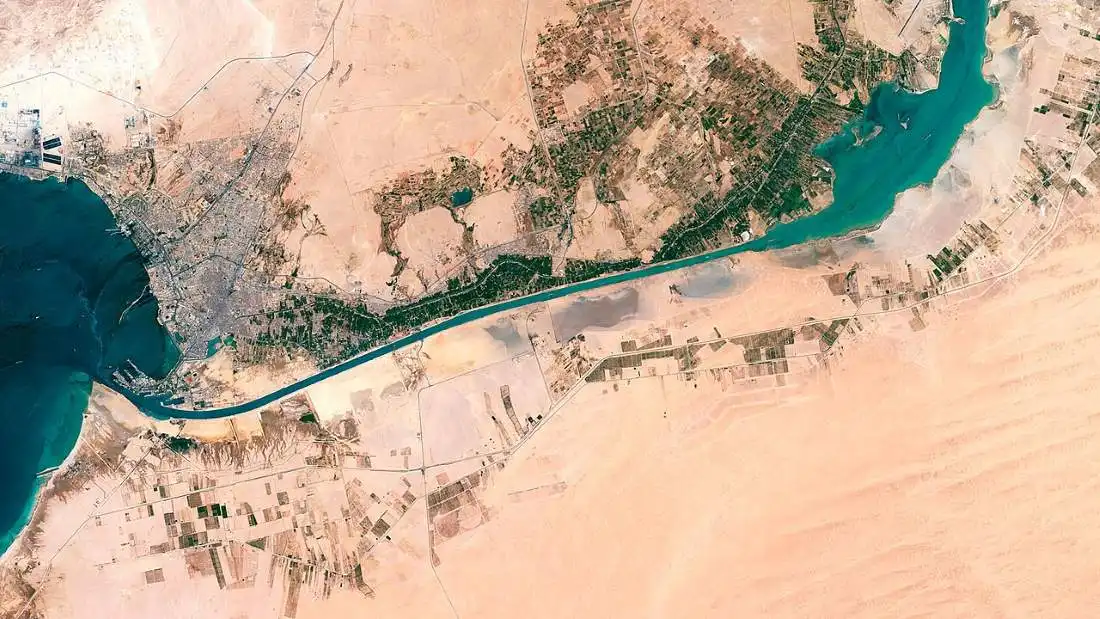
Iran’s retaliation proved costly in its own right. Dozens of MQ-9 Reaper drones — each priced between $16 million and $32 million — were destroyed, contributing nearly $1 billion in losses from that platform alone. Additional aircraft and equipment damage has compounded the bill. The administration has quietly sought supplemental appropriations reportedly approaching or exceeding $200 billion for replenishment and sustainment.What remains less transparent is the full picture. Congressional sources familiar with closed-door briefings describe significant pressure on the Pentagon to accelerate spending requests while downplaying long-term obligations. Economic ripple effects — particularly the spike in global oil prices triggered by disruptions in the Strait of Hormuz — have added tens of billions more in hidden costs for American households through higher fuel and transport expenses. Independent economists warn these indirect burdens may linger for years.
Gains, Casualties, and Lingering Doubts
Proponents within the administration point to clear tactical successes: severe damage to Iran’s nuclear infrastructure, degradation of its ballistic missile programme, the reported death of Supreme Leader Ali Khamenei, and the disruption of proxy networks. These, they argue, have bought time and strengthened deterrence.
Yet an investigative review raises serious questions about durability. Have the strikes permanently set back Iran’s nuclear ambitions, or merely postponed them at enormous expense? Will the weakening of proxies lead to a more stable region, or fuel new cycles of violence? Dozens of US personnel killed or wounded add a human cost that no dollar figure can fully capture. Iranian casualties, running into the thousands, have further inflamed regional tensions.
Long-term accounting remains opaque. As seen in previous conflicts, veterans’ care and interest on borrowed funds could push the total cost of these operations into the trillions over decades. Defence contractors have seen revenues surge, but munitions stockpiles are strained, raising concerns — voiced by several military analysts — about America’s readiness for other potential flashpoints, particularly in the Indo-Pacific.
The Bigger Picture: Accountability and Legacy
This investigation finds that Trump’s approach blended decisive force with transactional instincts, yet it has produced mixed results at significant cost. While direct war spending under his watch is lower than the peak years of Iraq and Afghanistan, the cumulative defence outlays and the Iran escalation mark a notable chapter in America’s post-9/11 military ledger.
Major news organisations have long scrutinised such spending — from the Washington Post’s Afghanistan Papers, which exposed systemic problems across multiple administrations, to detailed tracking by the New York Times and Reuters. This reporting continues that tradition: cross-checking official figures against independent analysis to illuminate not just the numbers, but what they mean for taxpayers and future security.
As operations continue and fuller data emerges, one question lingers: has the substantial investment genuinely enhanced America’s long-term safety, or has it once again demonstrated the high price — and uncertain returns — of military engagement in a complex world?
For now, the American public is left carrying the bill while the full strategic verdict remains unsettled.