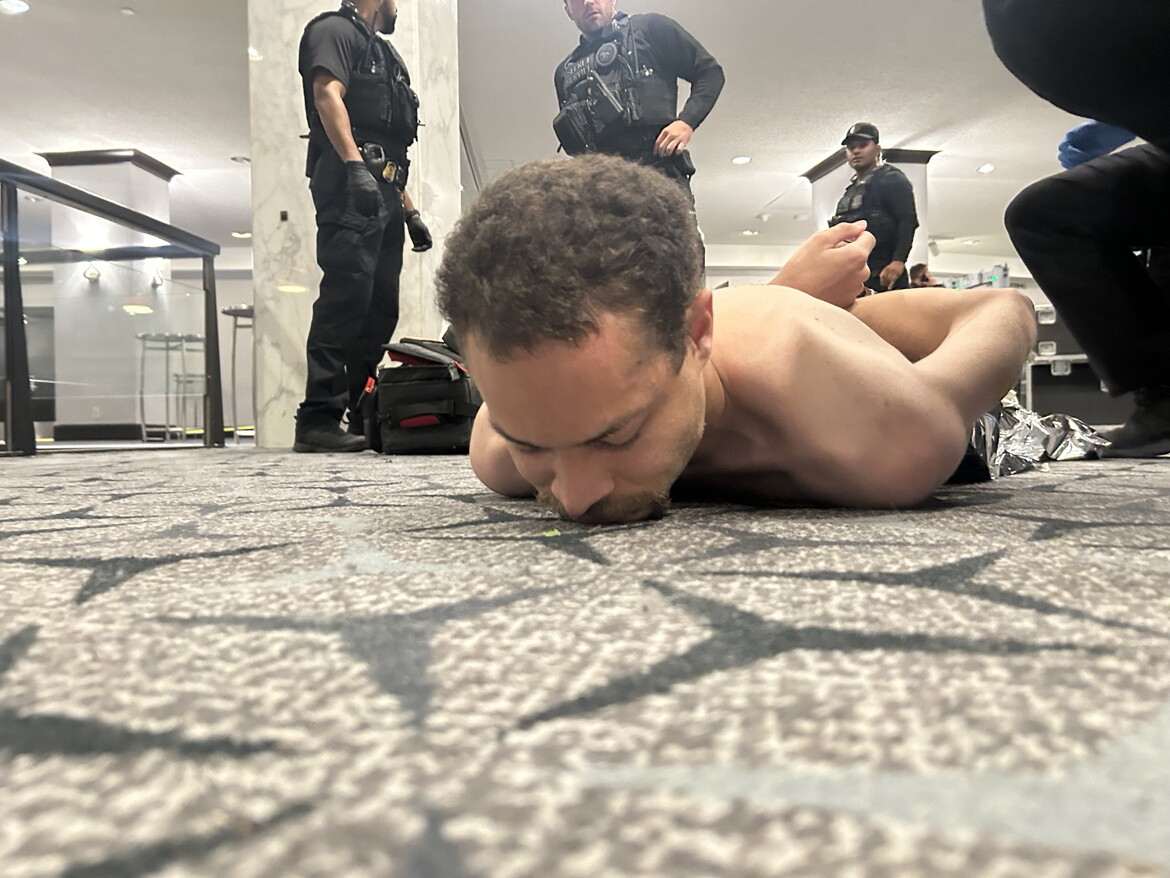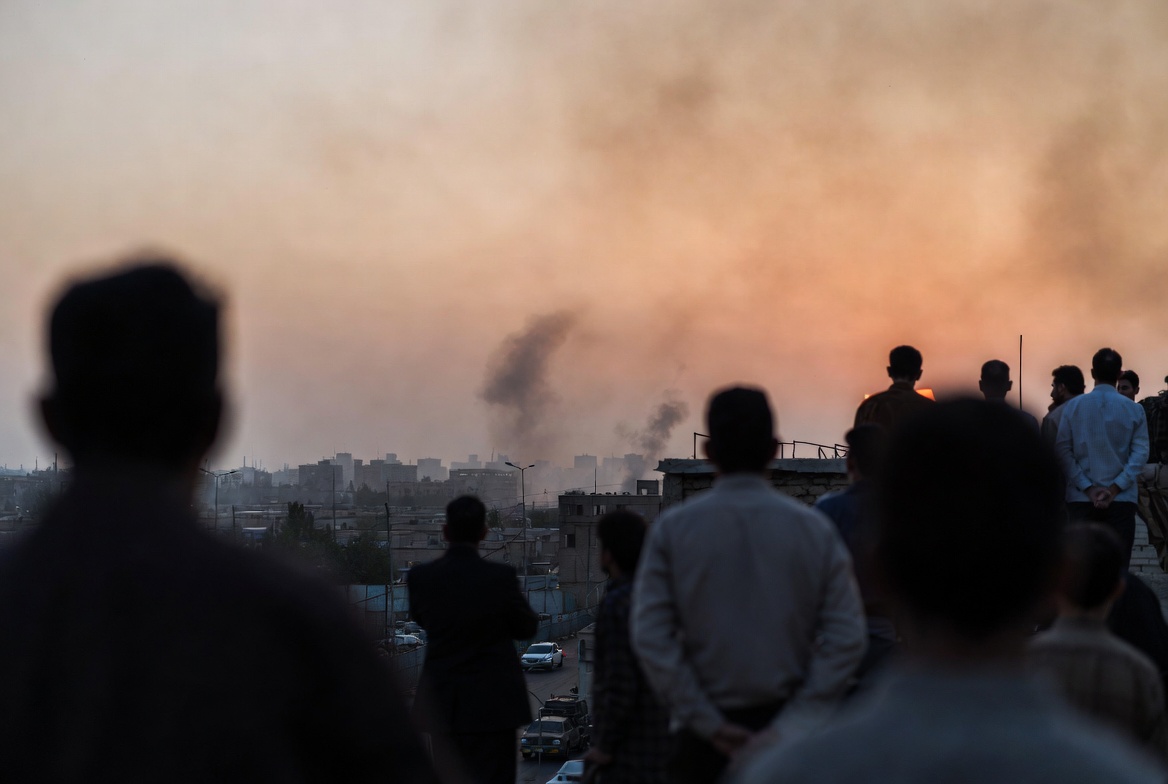
As of early April 2026, a two-week truce between Washington and Tehran has brought a momentary halt to direct hostilities. Yet the agreement already looks precarious, tested by continuing violence elsewhere and profound disagreements over its terms.
A two-week ceasefire between America and Iran, hastily brokered with Pakistani help, has brought a temporary halt to direct clashes that erupted after weeks of American and Israeli strikes on Iranian targets. Yet the truce already looks brittle. Israel continues its campaign against Hizbullah in Lebanon—an operation it insists lies outside the agreement—while Iran has sporadically threatened to restrict shipping once more through the Strait of Hormuz. Both sides proclaim victory; neither appears ready to concede on the core issues that ignited the latest round of fighting. Talks are due in Islamabad, but few expect a swift breakthrough.
This latest spasm is no isolated event. It forms part of a deeper, decades-old contest that has shaped—and repeatedly convulsed—the modern Middle East. Yet this is no mere passing storm. Beneath the latest flare-up lie the enduring patterns that have shaped — and repeatedly convulsed — the modern Middle East: ideological rupture, proxy entanglements, security dilemmas, and the stubborn weight of history.
The present troubles trace their most potent origins to Iran’s 1979 revolution. The fall of the Shah turned a former Western ally into a declared enemy of both America, the “Great Satan”, and Israel, the “Little Satan”. Under Ayatollah Ruhollah Khomeini, the Islamic Republic set out to export its revolution and to champion Shia and Palestinian causes. That ambition gave birth to what became known as the “Axis of Resistance”: an array of militias and movements, from Hizbullah in Lebanon to Hamas in Gaza, the Houthis in Yemen and various Shia armed groups in Iraq and Syria. Financed, armed and directed in part by Iran’s Revolutionary Guards, these proxies allowed Tehran to project power at arm’s length, avoiding full-scale conventional war—until February 2026.
For Israel, the combination of Iran’s nuclear programme, ballistic missiles and regional network has long represented an existential danger. The two countries once co-operated quietly; after 1979 that relationship collapsed into open hostility. The 2015 nuclear deal offered a fragile diplomatic pause, but America’s withdrawal in 2018, followed by Iran’s renewed assertiveness and the shock of Hamas’s assault on Israel on 7 October 2023, set the stage for wider confrontation. What began as a multi-front shadow war escalated into direct exchanges and, ultimately, the American-Israeli campaign that opened on 28 February 2026.
That campaign marked a sharp departure from earlier patterns. Hundreds of strikes targeted Iranian nuclear sites, missile facilities, military commanders—including the late Supreme Leader Ali Khamenei—and naval assets. Iran responded with barrages of missiles and drones, briefly shut the Strait of Hormuz (through which roughly one-fifth of the world’s oil passes), and activated its proxies. The human and economic toll was grim: thousands killed, infrastructure shattered, millions displaced and global energy markets sent into turmoil. Exhaustion, more than resolution, produced the current pause.
Yet the underlying disputes remain untouched. Iran’s nuclear ambitions and missile arsenal persist in some form; its proxies are bloodied but not dismantled. Israel refuses to halt operations against Hizbullah. Sanctions, regime survival and competing visions of regional order continue to divide the parties. Such cycles—intense fighting followed by uneasy truces—are depressingly familiar. Previous flare-ups, including the so-called 12-day war of 2025, showed that battlefield setbacks rarely erase entrenched ideologies or supply lines.
Several structural forces make the conflict remarkably resilient. A classic security dilemma prevails: each side’s defensive measures look like aggression to the other. Iran’s low-cost proxy strategy bleeds its adversaries without exposing the homeland fully; Israel’s targeted campaigns aim to degrade those networks but seldom address the grievances that sustain them. Nuclear know-how, once acquired, is hard to erase. Gulf states, wary of both Iranian dominance and Israeli nuclear monopoly, quietly expand their own atomic programmes, raising proliferation risks. Control of energy chokepoints gives any clash immediate global reach. And domestic politics reward hardline stances: external threats help regimes rally support at home.
The humanitarian cost compounds the tragedy. Generations in Gaza, Lebanon, Yemen and now Iran itself bear the scars of repeated violence. Civilian infrastructure lies in ruins; displacement is widespread; trauma runs deep.
The crisis has never been purely regional. Russia and China have provided diplomatic cover and limited material aid to Iran, while America upholds its commitment to Israel. Energy shocks ripple outward, affecting economies from Europe to Asia. In an age of great-power competition, West Asia has become a dangerous sideshow where proxy fights intersect with vital supply routes.
History, however, is not uniformly bleak. Pragmatic diplomacy has occasionally created space for calm. The China-brokered Saudi-Iran rapprochement of 2023–24 and the earlier nuclear talks demonstrated that deals are possible when mutual interests align, however temporarily. Normalisation between Israel and several Arab states under the Abraham Accords framework hinted at new regional alignments that could marginalise rejectionists—if paired with genuine de-escalation involving Iran.
Any lasting reduction in tension will require confronting uncomfortable realities. The Palestinian question remains the emotional heart of Arab and Muslim grievance; without credible political progress, proxy conflicts will keep reigniting. Sustainable arrangements need broad regional buy-in, not just American or Israeli dictates. Multilateral formats involving neutral brokers such as Oman or Qatar may offer face-saving routes forward. Economic incentives—sanctions relief linked to verifiable restraint, coupled with integration projects—could slowly shift incentives from confrontation to co-operation. Above all, breakthroughs demand leaders willing to risk domestic backlash.
The present two-week truce, fragile as it is, creates a narrow opening. If negotiations in Islamabad yield even modest confidence-building steps—reliable shipping lanes, humanitarian access or nuclear oversight—they might prove that restraint can serve everyone’s longer-term interests. Without addressing the deeper drivers, however, another spiral remains likely.
West Asia’s troubles are not inevitable, yet they have proved stubbornly durable. They reflect clashing nationalisms, religious ideologies, resource rivalries and great-power ambitions layered atop colonial legacies and unresolved 20th-century wounds. The latest ceasefire, even as Israel presses its campaign in Lebanon, reminds the world that military superiority can buy time but rarely delivers resolution.
For outsiders as well as those living amid the conflict, the lesson is sobering. Genuine stability demands patient diplomacy, mutual acknowledgment of legitimate security fears and a willingness to treat the Palestinian issue as central rather than peripheral. Until those conditions are met, the region will remain trapped between temporary halts and fresh eruptions—its future, and its impact on global order, hanging in the balance.