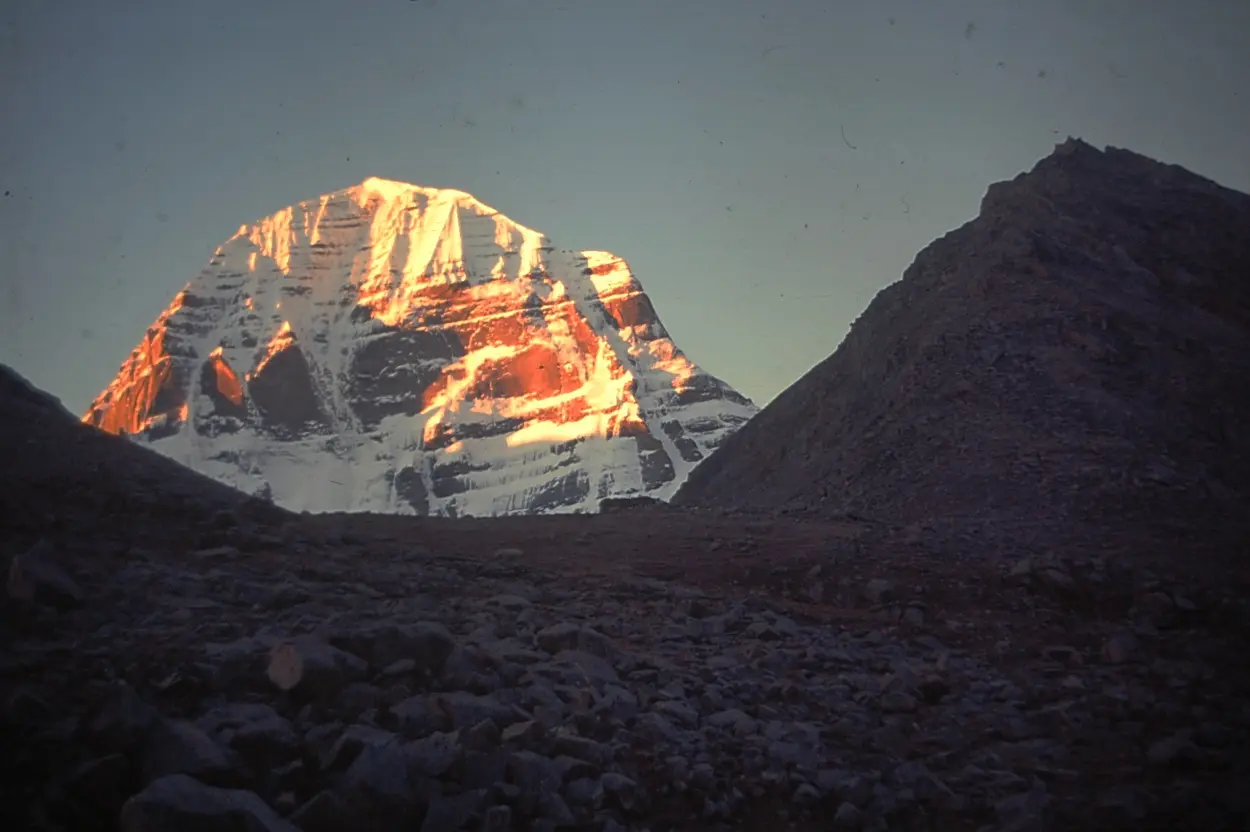
In the high passes of the Himalayas, geography has a way of dictating politics. Recently, Nepal lodged a formal objection to plans by India and China to route this summer’s Kailash Mansarovar pilgrimage through Lipulekh, a strategic pass claimed by Kathmandu as its own. The move, coming weeks after Balendra Shah, a former rapper and mayor of Kathmandu, became prime minister, is more than routine diplomatic friction. It highlights the enduring fragility of relations between India and its smaller Himalayan neighbour, and the awkward position of a country trying to assert itself between two giants.
The dispute is as old as it is intractable. The 1816 Treaty of Sugauli, imposed after a war with the British East India Company, set the border along the Kali river. Nepal says the river’s source at Limpiyadhura puts Lipulekh, Kalapani and Limpiyadhura firmly on its side of the line. India, which has controlled the area since at least the 1962 war with China, disagrees. Effective administration has favoured New Delhi; nationalist sentiment has kept the claim alive in Kathmandu. In 2020 Nepal updated its official map to include the territories. India called it “unilateral”. Little has changed since.
Shah’s balancing act
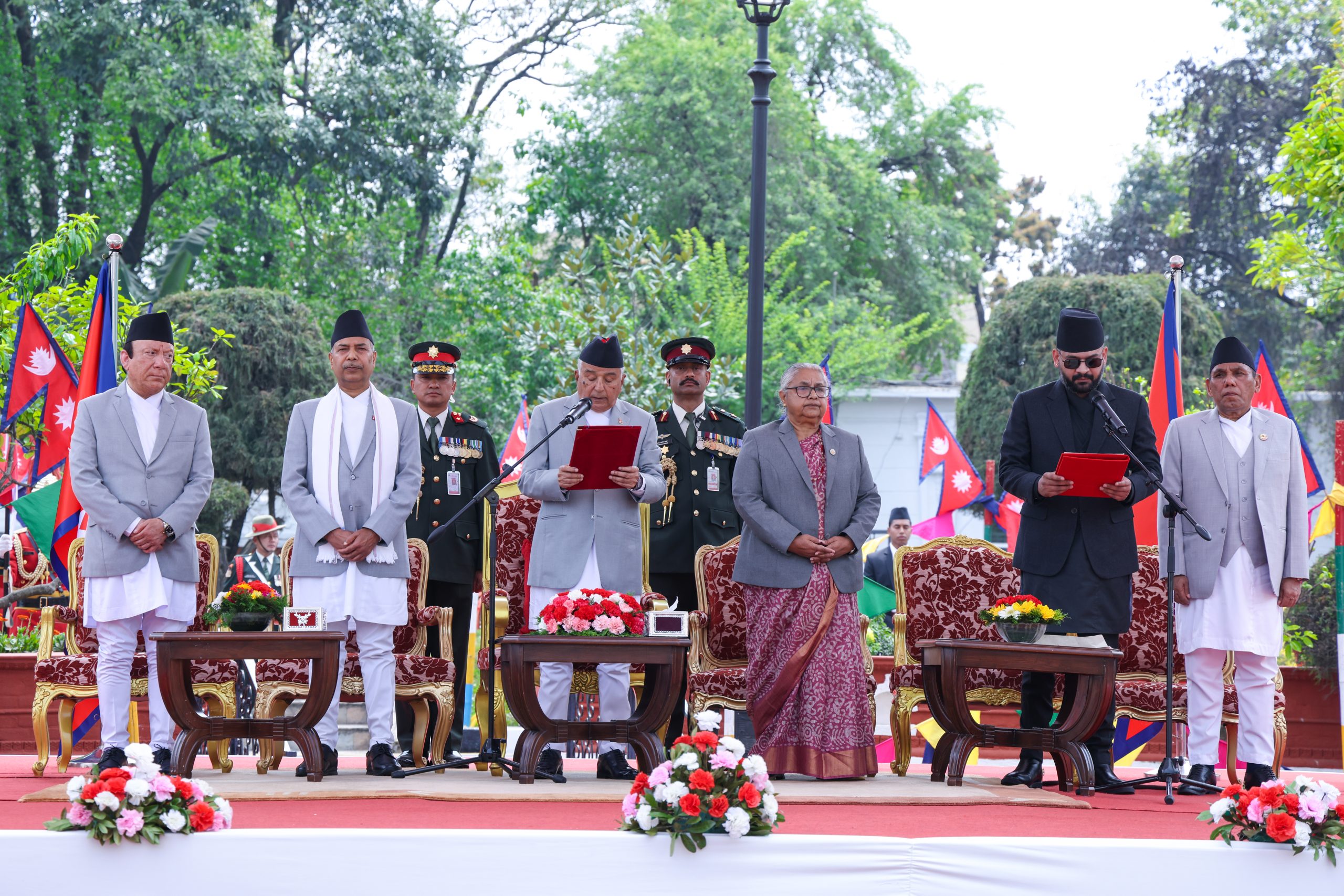
Mr Shah’s victory in March 2026, after youth-led protests toppled the previous establishment, brought a new generation to power. His Rastriya Swatantra Party campaigned on anti-corruption and pragmatism rather than ideology. The new government talks of turning Nepal from a “buffer state” into a “vibrant bridge” between India and China, courting investment and connectivity while safeguarding sovereignty.
The Lipulekh protest fits this script. Mr Shah previously criticised India-China deals over the pass while in opposition. By reiterating the claim and notifying both neighbours, his government signals resolve without immediate escalation. Yet the timing is delicate. India and China are mending fences after years of border tensions; reopening trade and pilgrimage routes serves their mutual interest in stabilisation. Nepal’s exclusion from these talks is a familiar slight for a country that often feels sidelined in great-power bargaining.
Economics underpins the relationship. India is Nepal’s overwhelming trade partner, the route for most of its imports and exports, and a major source of remittances. Open borders allow millions of Nepalis to work in India. China offers infrastructure via the Belt and Road Initiative, but projects have sometimes disappointed and brought debt concerns. America and others provide development aid and a democratic counterweight. Mr Shah’s “equidistance” is sensible rhetoric; reality is more constrained.
Wider implications
For India, the episode is irritating but not existential. Prime Minister Narendra Modi’s government has invested in neighbourhood infrastructure and connectivity, yet recurring spats with Nepal feed a narrative of heavy-handedness that China is happy to amplify. New Delhi sees the Kalapani-Lipulekh area as vital for access to Tibet and border security. Concessions are politically difficult.
For China, the issue is secondary. Beijing prefers stable ties with India and has little incentive to champion Nepal’s maximalist claims if they complicate its own Himalayan strategy. Its silence on the tri-junction effectively lets India proceed while preserving influence in Kathmandu through loans and projects.
Pakistan lurks only on the margins; suggestions of deeper orchestration are speculative. American involvement is even less direct, focused on broader democratic and counter-influence goals.
The deeper problem is structural. Small states caught between rivals often play the “China card” for leverage, only to discover that great powers strike deals over their heads. Nepal’s periodic cartographic nationalism rallies domestic opinion but solves little. India’s instinct is to treat the border as settled by possession. Without a joint mechanism—technical surveys, confidence-building measures, or creative arrangements for shared use—the cycle will repeat.
Mr Shah’s administration has a chance to break the pattern by focusing on practical gains: hydropower exports to India, improved border management, and selective Chinese investment with better terms. Domestic reforms to tackle corruption and create jobs would strengthen Nepal’s hand more than map-making. Yet the pull of nationalism is strong in Himalayan politics.
Relations between India and Nepal will not collapse. Cultural, familial and economic bonds run deep. But nor will they flourish while sovereignty disputes fester. In an era when Asia’s giants are both competing and co-operating, Nepal’s latest protest is a reminder of the limits facing those caught in between. The mountains endure; so, it seems, does the dispute.