A saffron wave has swept through West Bengal, handing the Bharatiya Janata Party (BJP) its first government in the eastern state and marking one of the most dramatic shifts in Indian politics in years. As results and trends trickled in on May 4th, the BJP surged past the 200-seat mark in the 294-member Assembly, toppling Mamata Banerjee’s Trinamool Congress (TMC) after more than a decade and a half in power. In Assam, the party secured a third consecutive term. Yet the real subplot of these elections lay in the south, where a celluloid hero upended Dravidian politics and the Congress scraped a lonely victory in Kerala as its old leftist allies were routed.
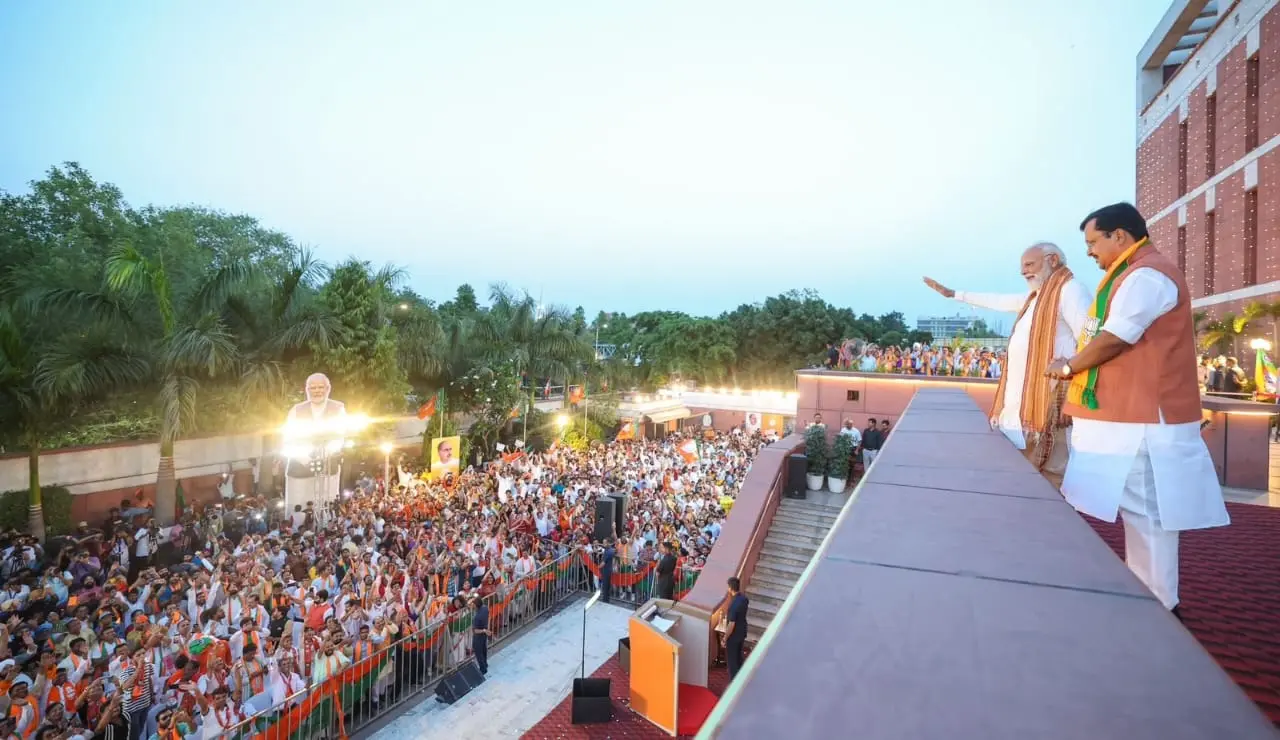
Three incumbent chief ministers—Ms Banerjee in West Bengal, M.K. Stalin in Tamil Nadu and Pinarayi Vijayan in Kerala—find themselves on the way out with their parties losing the people’s mandate in the elections. Ms Banerjee suffered the added indignity of losing her own seat in Bhabanipur to Suvendu Adhikari, a former TMC colleague who defected to the BJP. Narendra Modi, never one to understate a triumph, hailed the verdict as a mandate for “performance” and donned a Bengali dhoti-kurta to address jubilant party workers in Delhi. The BJP’s mantra, he declared, is nagarik devo bhava—the citizen is god.
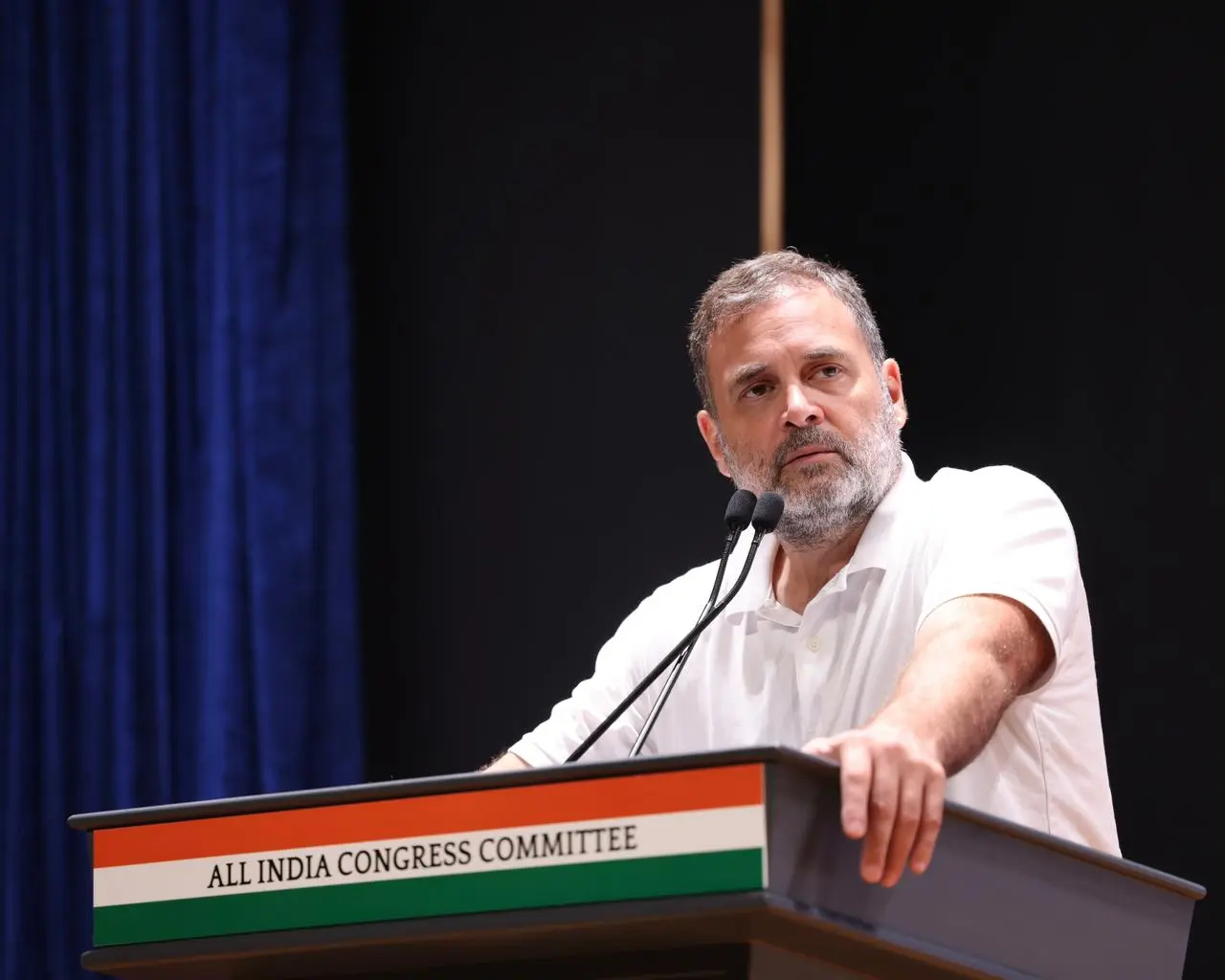
The opposition cried foul. Ms Banerjee, looking distraught as she left the counting centre, claimed more than 100 seats had been “looted”. Rahul Gandhi, the Congress leader, went further, alleging outright theft in both Bengal and Assam with the connivance of the Election Commission. “Chunav chori, sanstha chori (election theft, institutional theft),” he posted on X. The playbook, he suggested, was familiar from previous BJP victories. Such charges have become ritualistic in Indian elections; proving them is another matter.
The numbers in West Bengal were stark. The BJP stood at 206 wins and leads; the TMC was stranded on 81. In Assam, Himanta Biswa Sarma’s party captured 82 of 126 seats. Pollsters and the BJP itself attributed the swing to anti-incumbency, perceptions of TMC misrule, and the relentless organisational machinery of the saffron party, spearheaded by Amit Shah and guided from afar by Mr Modi. Mr Modi himself invoked Syama Prasad Mookerjee, the RSS icon who opposed the partition of Bengal, and spoke of ending a “reign of fear”. For the first time, he noted pointedly, an election in the state had passed without a single fatality. West Bengal has been infamous for violence during elections.
The southern story was equally striking. In Tamil Nadu, Joseph Vijay Chandrasekhar—better known simply as Vijay, star of blockbusters such as Mersal and Leo—led his fledgling Tamilaga Vettri Kazhagam (TVK) to a stunning 107 seats out of 234, emerging as the single-largest party and shattering the long-standing DMK-AIADMK duopoly. The DMK slumped to around 60 seats. Mr Vijay had campaigned on ambitious welfare promises, including gold for brides and cash for women, and survived the shadow of a deadly stampede at a rally last year. Even Mr Gandhi felt obliged to congratulate him, calling it a “rising voice of the youth”.
In Kerala, the Left suffered a humiliating wipeout in what was once its last redoubt. The Congress-led UDF secured a solitary but decisive victory for the party nationally, with Priyanka Gandhi Vadra thanking voters for their “overwhelming support”. In Puducherry, the picture was more fragmented, with the All India NR Congress in the lead.
The 2026 state elections thus delivered both continuity and rupture. For Mr Modi and the BJP, the conquest of Bengal is historic—proof that the “politics of development” can breach even the most entrenched regional citadels. For the Congress, the Kerala bright spot does little to mask its broader decline. For Indian federalism, the message is familiar: voters are increasingly willing to back Brand Modi where they see governance failing at the state level, even as southern experiments in new parties show the persistence of regional political entrepreneurship.
Whether the lotus can now govern effectively in Kolkata, and whether Mr Vijay can translate cinematic charisma into administrative competence in Chennai, will be the next test. Indian politics rarely stands still. The saffron wave has crested; translating it into lasting change is a different, harder task.