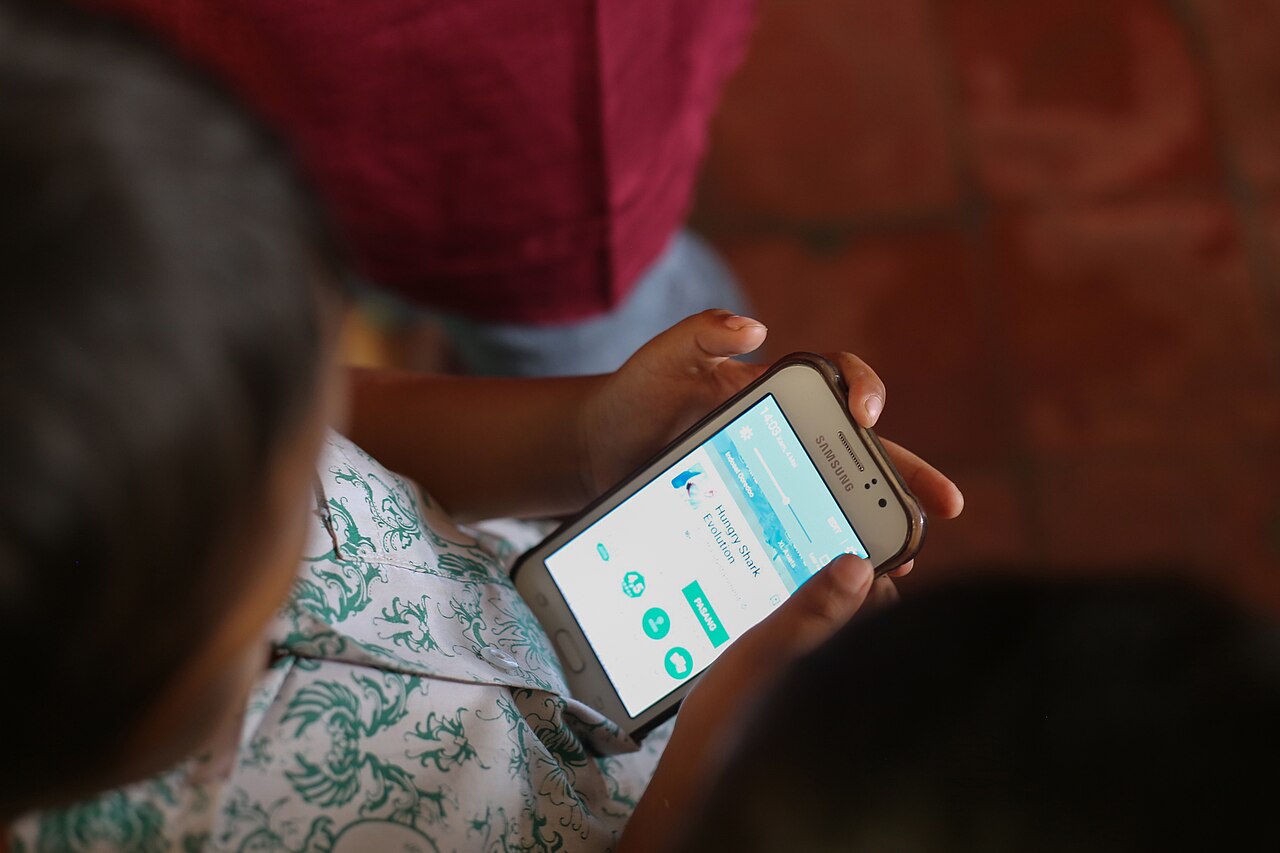
In the bustling neighbourhoods of Jakarta, where smartphones light up family living rooms late into the night, a significant shift in how young Indonesians experience the online world is quietly unfolding. On 28 March 2026, Indonesia began enforcing one of the most far-reaching attempts by any major nation to restrict children’s access to social media and interactive digital platforms.
The policy, rooted in Government Regulation No. 17 of 2025 – widely known as PP Tunas (“Tunggu Anak Siap”, or “Wait Until the Child is Ready”) – and detailed in Ministerial Regulation No. 9 of 2026, prohibits children under 16 from holding accounts on platforms classified as “high-risk”. These include global giants such as YouTube, TikTok, Facebook, Instagram, Threads, X (formerly Twitter), Bigo Live and Roblox.
With a population of roughly 280 million and around 70 million children and adolescents, Indonesia’s move carries enormous weight. Young people here often spend up to eight hours a day online, immersing themselves in short-form videos, gaming, and social interaction. The government argues that rapid digital growth has left many families ill-equipped to manage the downsides.
A response to a “digital emergency”
Communications and Digital Affairs Minister Meutya Hafid has described the regulations as essential protection against a host of online harms. These include exposure to pornography and violent material, cyberbullying, scams, and the addictive design of algorithm-driven platforms that can disrupt sleep, mental health, and development.
High-risk platforms are defined by features such as easy interaction with strangers, highly engaging and potentially compulsive content, and psychological risks to younger users. Under the new rules, these services must raise their minimum age requirements, introduce effective age verification systems, and begin deactivating accounts belonging to users under 16. The rollout is gradual to minimise disruption, but the expectations for compliance are firm.
Platforms now face a range of obligations: providing transparent information about age limits, implementing robust safeguards for children’s data, creating easier reporting mechanisms for misuse, and giving parents greater control – including consent requirements for any features involving anonymous communication. Some services have already started adapting. Roblox, for instance, has explored stricter verification methods, while others have been summoned by officials to address shortcomings. Non-compliance can lead to fines or, ultimately, blocking within Indonesia’s lucrative market.
Life in a nation of young digital natives
Indonesia’s demographics amplify both the challenge and the potential impact. The country has one of the world’s largest youth populations, with a median age well below 30. Social media and online gaming have become central to how many teenagers socialise, learn, express creativity, and even build small businesses as content creators.
Yet concerns among parents, teachers and health experts have grown. Stories of sleepless nights glued to feeds, relentless online harassment, and accidental encounters with inappropriate content are common. Supporters of the policy see it as giving families much-needed breathing space and compelling tech companies to prioritise safety over engagement metrics.
Initial reactions have been largely positive among many parents, who report relief at the prospect of fewer battles over screen time. Some teenagers, predictably, are less enthusiastic, with early reports of attempts at workarounds using shared devices or VPNs. Enforcement across an archipelago of more than 17,000 islands presents practical difficulties, and questions remain about how thoroughly age verification can be implemented without raising privacy issues or relying on intrusive technologies such as biometrics.
Wider ripples for users and platforms
Although the headline restrictions target those under 16, the rules send a broader signal about digital governance in Indonesia. Electronic system providers – covering social media, gaming and other interactive services – must now conduct their own risk assessments and embed child-protection measures “by design”. This includes stronger data protections and limits on profiling or targeted advertising involving minors.
For adult users, the changes may bring indirect effects. Platforms could introduce tighter identity checks across the board to avoid hosting underage accounts, potentially adding friction to sign-ups or content sharing. Earlier discussions in policy circles about linking accounts to national ID or limiting users to one verified profile per platform have not been central to this child-protection framework, but the overall direction points towards greater accountability for tech companies operating in the country.
Critics, while acknowledging the legitimacy of protecting children, highlight implementation challenges. Effective age assurance is technically complex and expensive. There are worries that overly broad tools could erode privacy or that young users might migrate to less regulated corners of the internet. Questions also linger about the government’s capacity to monitor compliance independently across dozens of platforms.
Part of a global reckoning
Indonesia is not acting alone, but its scale and status as the first major non-Western country to introduce such sweeping age-based restrictions stand out. Australia pioneered a nationwide social media ban for under-16s that took effect in late 2025, while European nations have strengthened rules under the Digital Services Act. Debates continue in the UK, US and elsewhere about how best to balance innovation, free expression and youth wellbeing.
What sets Indonesia apart is its context: a vast, diverse, rapidly digitising society where smartphones have leapfrogged traditional infrastructure in many areas. Officials have emphasised that sanctions target companies rather than individual families, and they are pressing platforms to publicly report the number of accounts affected as implementation proceeds.
Uncertain outcomes in uncharted territory
As the policy beds in, Indonesian families are adjusting to new routines. Some teenagers are rediscovering offline hobbies or spending more time with friends in person. Parents are exploring ways to fill the digital gap with family activities or supervised lower-risk apps. Meanwhile, tech companies are navigating compliance while protecting their substantial user bases and advertising revenue in one of Southeast Asia’s biggest markets.
The long-term effects remain to be seen. Will the rules foster healthier digital habits, reduce addiction and shield vulnerable young minds? Or will they simply displace problems, spark evasion tactics, and strain relations with powerful global platforms? Enforcement will test both governmental resolve and technological ingenuity.
For now, millions of screens in Indonesian homes are dimming a little earlier, and a national conversation about the role of technology in childhood is gaining momentum. Indonesia’s experiment represents more than a local policy adjustment. It is a high-stakes test of whether governments can meaningfully temper the attention economy for the sake of the next generation.In the years ahead, the archipelago’s experience may offer valuable lessons – or cautionary tales – for nations worldwide grappling with the same question: when it comes to our children’s digital lives, how much is too much, and who gets to decide? The answer, for Indonesia at least, is that the wait until they are ready has officially begun.