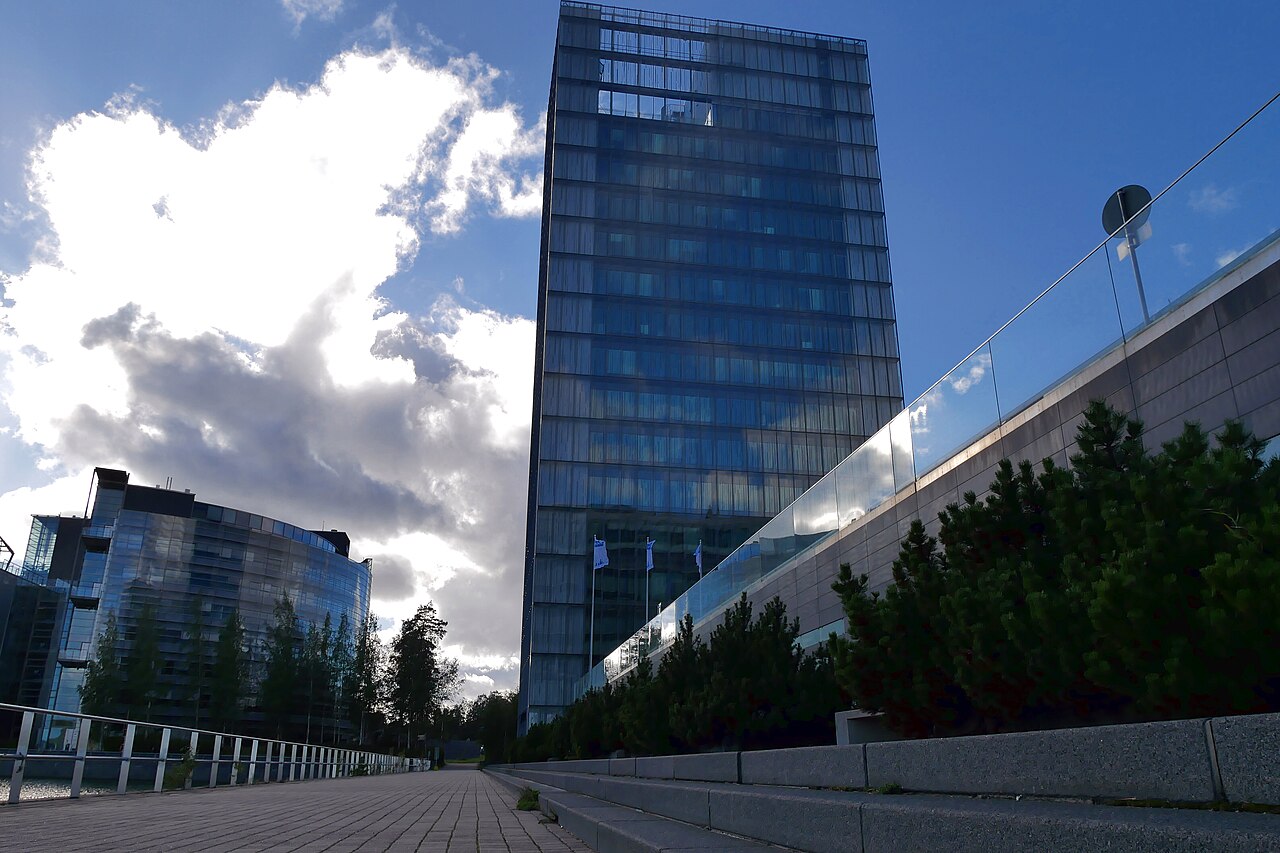
Finland’s KONE has agreed to buy German rival TK Elevator (TKE) in a cash-and-share transaction that would create the world’s largest elevator and escalator company by sales, underlining the relentless consolidation in an industry central to global urbanisation.
Announced on 29 April 2026, the deal values TKE at an enterprise value of €29.4bn ($34.4bn), including debt. KONE will pay €5bn in cash and issue up to 270 million new class B shares, worth approximately €15.2bn at the reference price, to the consortium led by private equity firms Advent International and Cinven. The sellers, through their holding company, will end up with roughly 18.3 per cent of the voting rights in the enlarged group.
On a pro-forma basis for the latest financial year, the combined entity would generate annual sales of about €20.5bn, of which roughly 65 per cent comes from the high-margin, recurring service and modernisation business. The group would maintain more than 3.2 million units worldwide and deliver an adjusted EBIT (excluding synergies) of more than €2.7bn.
Strategic rationale and promised synergies
KONE and TKE argue the combination will create a “world-class company” better equipped to serve increasingly dense cities and modernise ageing building stock. The two businesses offer complementary geographic strengths: KONE has long been powerful in northern and central Europe as well as China, while TKE brings greater heft in North America and parts of the Middle East and Asia.
Management is targeting annual run-rate synergies of €700m, to be realised mainly through denser service networks, enhanced combined research and development, platform optimisation, procurement savings and reductions in selling, general and administrative costs. These efficiencies are expected to make the deal accretive to earnings per share in the first full year after completion and to accelerate the group’s adjusted EBIT margin progression well beyond KONE’s previous standalone target of 16 per cent.
For the private equity owners, the transaction represents a lucrative exit after several years of ownership. Thyssenkrupp, which spun off its elevator division to form TKE, is also set to receive a significant payday of up to around €3.4bn according to some analyst estimates.
Regulatory and execution risks loom large
The deal transforms a global market long dominated by four major players — Otis, Schindler, KONE and TKE — into a contest among three. Such a “four-to-three” consolidation is likely to attract intense antitrust scrutiny, particularly in Europe and the United States.
Schindler has already signalled it will challenge the transaction before competition authorities. Analysts note that regulators may demand disposals of overlapping businesses or service networks in certain national markets to preserve competition. KONE’s chief executive Philippe Delorme expressed confidence that approvals could be secured while preserving the deal’s strategic logic, but the timeline reflects the complexity: closing is not expected before the second quarter of 2027, subject to regulatory clearances in multiple jurisdictions and approval by KONE shareholders at an extraordinary general meeting likely to be held in June 2026.
Integration risk is another concern. Merging two large industrial groups with different corporate cultures and operational footprints is rarely straightforward, even when synergies look compelling on paper.
Broader context: urbanisation and resilient demand
The timing of the deal is telling. Despite macroeconomic uncertainty and elevated construction costs in many markets, demand for elevators and escalators remains structurally supported by urbanisation, particularly in Asia and the Middle East, and by the need to upgrade ageing infrastructure in developed economies.
The service business — installing, maintaining and modernising existing units — provides a stable revenue stream that is far less cyclical than new equipment sales. The combined group’s heavy exposure to this segment should offer some protection against short-term slowdowns in new building projects.
Innovation in “smart” and energy-efficient vertical transport is also accelerating. IoT-enabled predictive maintenance, destination dispatch systems and regenerative drives that feed energy back into buildings are becoming standard expectations from developers and property owners seeking sustainability credentials. A larger player with deeper R&D resources may be better positioned to set the pace in these areas.
What it means for the industry and investors
If approved largely intact, the new KONE-TKE group would leapfrog current leaders Otis and Schindler to become the clear number one by sales. For customers, the promise is greater scale and technological capability; for competitors, it raises the bar on service density and cost competitiveness.
For KONE shareholders, the immediate reaction will be tempered by dilution from the large share issuance and the lengthy period of regulatory uncertainty. Yet the long-term bet is on margin expansion and reinforced leadership in a sector tied to one of the most powerful secular trends of the 21st century: the growth of cities.
Whether the deal ultimately clears the regulatory hurdles with its strategic rationale intact will determine if this bold move reshapes the elevator industry for years to come — or becomes a costly reminder of the limits of consolidation in already concentrated markets.