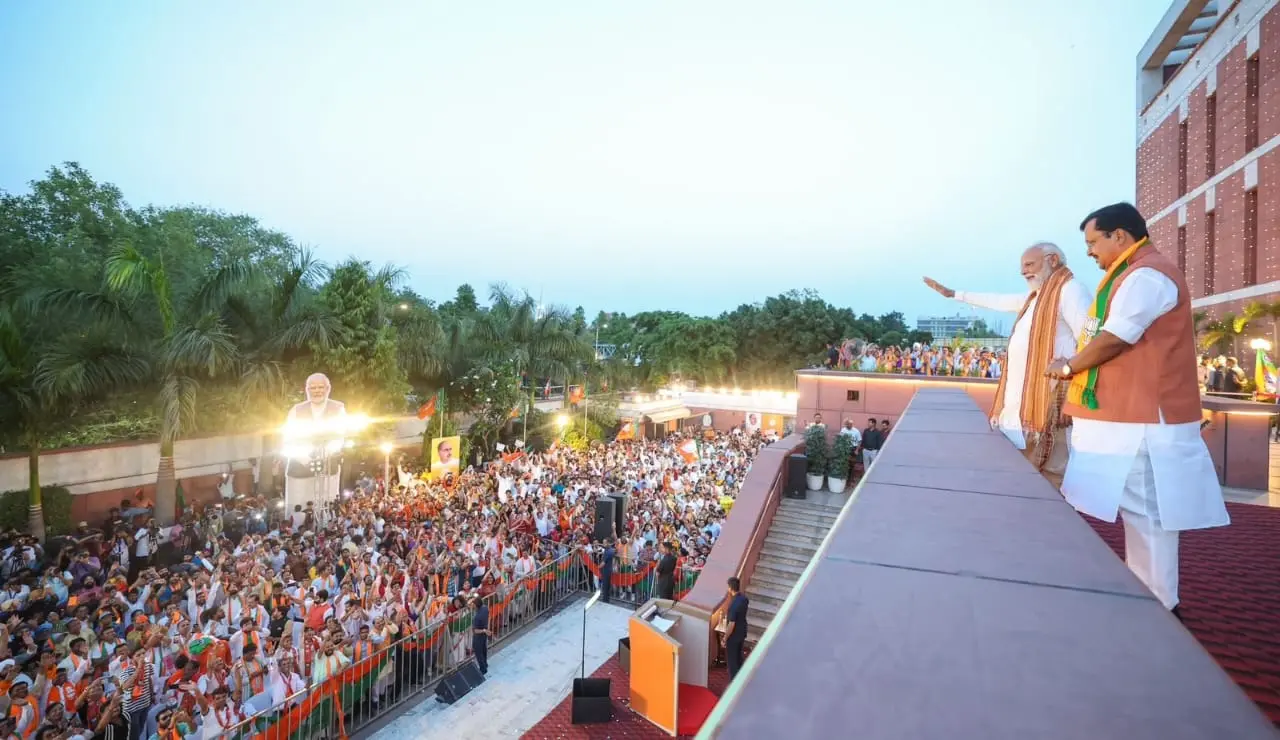
With crude oil prices elevated above $105 a barrel amid disruptions in the Strait of Hormuz, Narendra Modi has asked his 1.4bn fellow citizens to consume less. In a speech on May 10th, the prime minister urged Indians to revive work-from-home arrangements where possible, carpool, use public transport and electric vehicles, postpone non-essential foreign travel and destination weddings for a year, and hold off on discretionary gold purchases. The aim: conserve foreign exchange, protect the current-account deficit and avoid an immediate rise in politically sensitive fuel prices.
The request is pragmatic on the economics. India imports about 85% of its crude and over 90% of its gold. Gold imports reached roughly $70–72 billion in the last fiscal year, while oil and petroleum products add another $170bn or so annually. A prolonged West Asian crisis risks widening the current-account deficit (potentially toward 1.5–2% of GDP), putting pressure on the rupee and testing foreign-exchange reserves that have already eased from recent peaks. Voluntary public restraint offers a short-term buffer without immediate fiscal strain or formal import restrictions.
Mr Modi presented the measures as a temporary, patriotic contribution — civic responsibility during difficult times. He also encouraged lower use of edible oils and fertilisers while promoting domestic alternatives. Such appeals have been made during earlier global shocks; this one draws on habits formed during the pandemic.
The timing, however, feels delicate. High-stakes state assembly elections in several states, including Assam, Kerala, Tamil Nadu, West Bengal and Puducherry, recently concluded in early May. As tensions between America, Israel and Iran escalated, the government attempted diplomatic balancing, including quiet outreach to Tehran for possible energy support, while maintaining strong ties with Washington and Jerusalem. Iran’s response was predictably cool. The episode highlights India’s challenging position: heavily reliant on imported energy and navigating relations across rival regional powers, even as domestic structural reforms on renewables and self-reliance have not yet fully insulated the economy.
The opposition has reacted sharply. Leaders such as Rahul Gandhi have called the appeal evidence of failure after more than a decade in office, arguing that the government is shifting the burden onto ordinary citizens. There is familiar political theatre in these exchanges, but the critics raise a fair point: dependence on imported oil and gold remains significant despite years of “Atmanirbhar Bharat” (self-reliant India) initiatives. Progress in energy diversification has been real but uneven.
The cultural challenge is considerable. Gold holds deep significance in India as savings, security and a centrepiece of weddings and festivals. Asking families to defer such purchases is no small request. Wealthier consumers, who account for much of the discretionary demand, may be less affected, while the aspiring middle class could feel the pinch of mixed signals. Compliance is likely to be partial.
Serious risks remain
A sustained oil-price shock could constrain growth in one of the world’s fastest-growing major economies, strain the fiscal position through subsidies, or force eventual price increases that stoke inflation and public discontent. Reserves still provide a reasonable cushion, but the margin for error narrows if the West Asian situation deteriorates.
This moment underscores the difficulties facing large emerging economies exposed to geopolitical energy shocks. For Mr Modi, it tests his ability to translate political capital and appeals to national unity into meaningful economic resilience. He has successfully managed crises before. The coming months — as oil prices, public response and opposition pressure all play out — will show how far this latest call for shared sacrifice can stretch.