As President Donald Trump dismisses the latest Iranian peace overtures and muses publicly about the option to “blast the hell out of them and finish them forever,” Washington finds itself at a perilous crossroads in the two-month-old conflict with Iran. What began as a joint US-Israeli military campaign in late February has evolved into a tense standoff marked by a fragile ceasefire, a US naval blockade of the Strait of Hormuz, and diplomatic manoeuvring that appears increasingly strained.
Trump’s characteristically blunt rhetoric has once again set the tone. In recent days, the US president has expressed dissatisfaction with Iran’s proposals – mediated through Pakistan – to reopen the vital oil chokepoint and wind down hostilities while deferring thornier issues such as its nuclear programme. “I’m not satisfied with it,” Trump told reporters, weighing the choice between negotiation and overwhelming force. “Do we want to go and just blast the hell out of them and finish them forever, or do we want to try and make a deal?” He has previously warned that “a whole civilisation will die tonight” if Iran fails to meet his terms.
The backdrop of escalation
The current crisis traces its roots to long-simmering tensions over Iran’s nuclear ambitions, ballistic missile programme, and regional proxy network. Following earlier limited strikes in 2025 that damaged but did not eliminate key facilities, the US and Israel launched broader operations on February 28 this year. These included strikes that killed Supreme Leader Ali Khamenei and other senior Iranian figures in the actions framed by Washington and Jerusalem as necessary to prevent a nuclear breakout and achieve a degree of regime change.
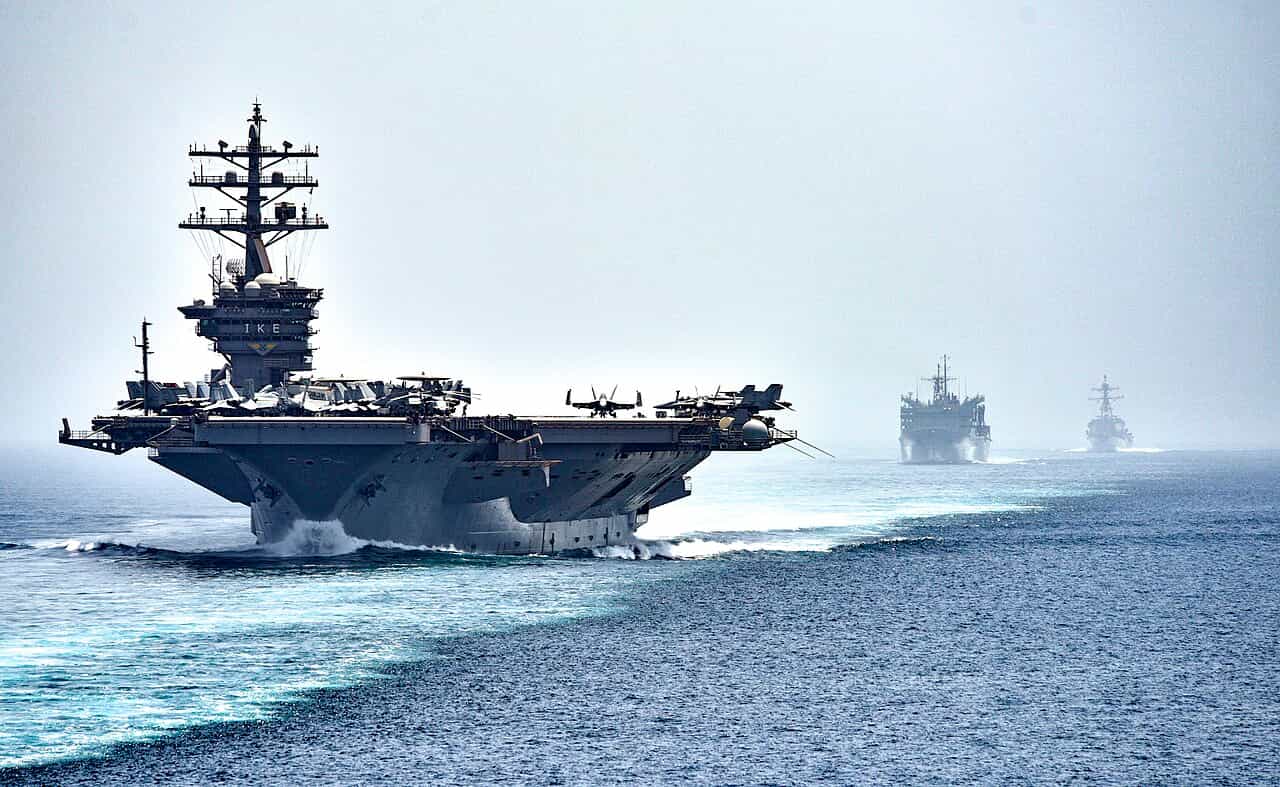
Iran retaliated with missile and drone barrages targeting Israel, US bases, and Gulf allies. A conditional ceasefire took hold in early April, but the underlying disputes remain unresolved. Shipping through the Strait of Hormuz – carrying around a fifth of global oil and gas – has been severely disrupted, contributing to economic pain and heightened global energy concerns. The US has maintained a naval presence and, according to Trump, forces have acted “like pirates” in intercepting Iranian vessels and cargo.
Military posturing and contingency plans
Amid the diplomatic impasse, US Central Command (CENTCOM) has prepared options for fresh “short and powerful” strikes targeting Iranian infrastructure, according to multiple reports. These plans are reportedly under active review as Trump weighs whether renewed pressure will force Tehran to concede on nuclear demands and regional influence. But there is no reliable confirmation of these moves.
Pentagon sources emphasise that any new action would build on the earlier campaign’s degradation of Iranian air defences and command structures. However, critics warn of the risks: further escalation could destabilise the region, spike oil prices, strain US military resources already stretched by global commitments, and potentially accelerate Iran’s drive towards nuclear weapons as a deterrent.
Iranian military commanders have signalled resilience, warning that missiles “can be fired anytime” and accusing Washington of bad faith. Tehran has proposed deals focused on ending the blockade and hostilities first, with nuclear questions addressed later – a sequencing rejected by the US and Israel, which insist on ironclad commitments against weaponisation.
Domestic and international dimensions
At home, the conflict’s popularity is waning. Polling suggests public fatigue akin to attitudes during the later stages of the Vietnam War, with questions over costs, casualties, and strategic clarity. Trump has notified Congress that major hostilities have “terminated” ahead of the 60-day War Powers Resolution deadline, a move Democrats view as an attempt to sidestep formal approval while maintaining pressure through naval and economic means.
Internationally, the war has drawn condemnation and concern. UN officials and religious leaders have criticised Trump’s more apocalyptic statements. European allies express unease about energy security and proliferation risks, while China and Russia – beneficiaries of disrupted Iranian and alternative oil flows in some respects – watch warily. The UK, navigating its own transatlantic relations under the new US administration, has urged restraint and diplomacy.
A decisive blow or prolonged attrition?
Whether Washington is truly gearing up for a “final strike” remains opaque – a hallmark of Trump’s deal-making style, in which maximum pressure serves as leverage. The president has repeatedly suggested he prefers a negotiated outcome but holds all the cards. “They have none!” he has declared. Yet history shows that Iran, a nation with deep strategic depth and a hardened regime (even after leadership losses), rarely folds completely under external force.
A decisive new round of strikes could further degrade Iran’s capabilities and strengthen Israel’s position, fulfilling long-standing hawkish goals in Washington and Jerusalem. But it risks entrenching hardliners in Tehran, igniting wider regional conflict involving proxies, and leaving the nuclear question unresolved or even advanced in secrecy. Conversely, a face-saving deal might stabilise energy markets and claim a foreign policy victory for Trump, but at the cost of allowing Iran to retain latent breakout potential.
As CENTCOM assets remain poised and Trump’s deadline-oriented diplomacy continues, the world holds its breath. The coming days – or weeks – will determine whether this confrontation ends in a hard-won bargain or descends into another, potentially bloodier phase. For now, in the words of the US president himself, the option to “finish what little remains” lingers ominously as one path among uncertain choices. TheReality.News will continue to monitor developments from the region and diplomatic capitals.