As Eid-ul-Azha approaches, a festival centred on sacrifice and submission to God, Muslim leaders in several Indian states have issued an unusual plea: forgo the cow. The All India Pasmanda Ulema Board has advised the community to choose other permissible animals, citing legal restrictions and the risk of communal tension. Similar appeals have come from clerics in West Bengal and Eid committees in Assam.
This restraint reflects pragmatism amid heightened enforcement. In Uttar Pradesh, Chief Minister Yogi Adityanath has ordered police vigilance against illegal cow slaughter. Assam’s Himanta Biswa Sarma has been unequivocal that it will not be permitted. In newly BJP-governed West Bengal, the administration has tightened rules under the existing Animal Slaughter Control Act, mandating “fit-for-slaughter” certificates (typically for animals over 14 years old or permanently incapacitated) and restricting slaughter to designated facilities, with public slaughter banned. Courts have largely upheld these measures.
Such actions are not new but have gained visibility following BJP electoral gains, including in West Bengal and Assam. With the party or its allies now governing around 21-22 states or union territories—covering a substantial majority of India’s population and territory—the saffron party’s cultural priorities command greater administrative reach.
Legal and Historical Context
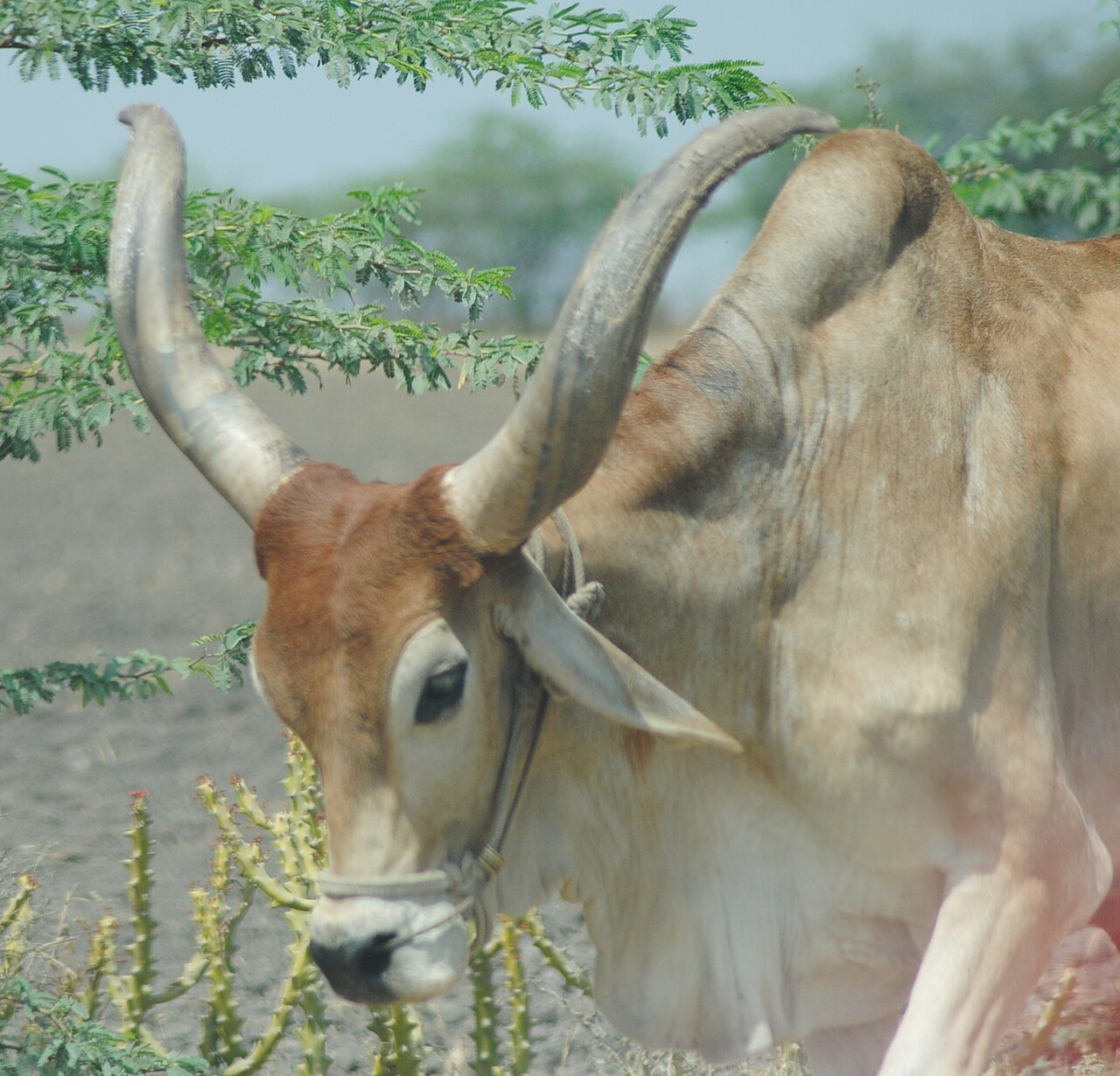
Cow protection has deep roots in Hindu reverence for the animal as a symbol of life and motherhood. Many states enacted restrictions soon after independence, reflecting constituent assembly debates and local sentiments. Today, roughly 20 of India’s 28 states regulate or ban cow slaughter in varying degrees. Strictest prohibitions, often covering cows, bulls, and bullocks of all ages, prevail in states like Gujarat, Uttar Pradesh, and Rajasthan. Others permit slaughter of certain bovines under certification for age or fitness. A handful of states, mostly in the Northeast or with different demographic realities (Kerala, for instance), maintain fewer restrictions.
The BJP has long championed a nationwide ban, viewing it as part of preserving India’s civilisational ethos. Since 2014, several BJP-led states have strengthened laws, increasing penalties and broadening prohibitions on transport and sale. Enforcement has intensified, particularly around festivals. Central initiatives, such as tighter rules on cattle markets, have reinforced the trend, though implementation remains a state subject.
Political Consolidation and Cultural Assertion
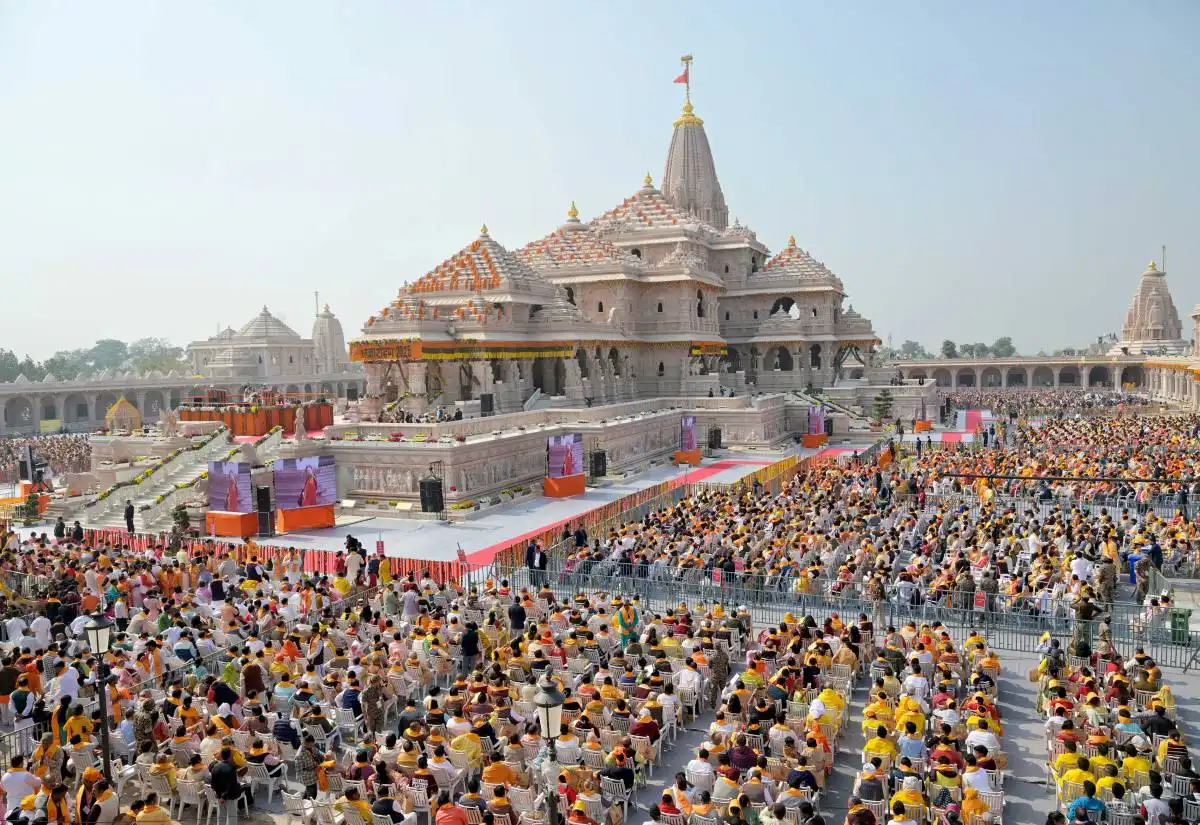
BJP’s expanded footprint allows more consistent projection of Hindutva priorities—cow protection, temple politics, and a broader emphasis on Hindu cultural symbols—across governance. Victories in diverse regions signal not just organisational strength but a broadening appeal of its development-plus-identity formula among voters concerned with governance, security, and majoritarian cultural confidence.
Critics argue this entrenches majoritarianism, marginalising minorities by prioritising Hindu sensitivities in public policy. Supporters counter that it corrects historical imbalances, restores cultural continuity disrupted by colonial and secular politics, and upholds democratic majoritarianism in a Hindu-majority nation. Appeals by Muslim bodies to forgo cow sacrifice are presented by some as prudent accommodation and by others as evidence of pressure.
The issue intersects with federalism: states exercise significant autonomy on this matter, leading to a patchwork. Yet national discourse, amplified by media and social platforms, creates de facto pressure for alignment, especially in BJP-ruled areas.
Social and Economic Ripples
For many Muslims, the cow debate compounds a sense of vulnerability. The leather and meat trades, significant employers for some Muslim and Dalit communities, have faced disruption from bans and vigilante activity. Cow-related violence—lynchings and attacks on suspected smugglers or slaughterers—has disproportionately affected Muslims, with spikes noted after 2014 according to various monitors, though comprehensive official data is patchy and contested.
Vigilantism remains a serious concern. While governments condemn illegal violence and emphasise rule of law, critics say political rhetoric sometimes emboldens “gau rakshaks” (cow protectors), and enforcement can appear selective. Cases drag on; fear persists in rural cattle-trading networks. Recent enforcement in places like West Bengal has also hit Hindu farmers and traders holding unsold livestock, illustrating how economic interdependence complicates cultural fault lines.
Yet the picture is not uniformly grim. Millions of Indian Muslims continue everyday lives, participating in politics, business, education, and culture. Pasmanda (backward caste) Muslim voices, like the AIPUB, often emphasise integration, legal compliance, and mutual respect over confrontation. Some Muslim groups have historically advocated broader cow protection to reduce tension. Interfaith accommodation occurs quietly in many localities.
Economically, stringent laws affect livelihoods but have also spurred shifts: greater focus on dairy, legal meat trades (buffalo), and diversification. India remains a major global player in certain meat exports, navigating regulations carefully.
Whither India?
India is navigating the tension inherent in a plural democracy with a dominant cultural core. BJP’s assertiveness reflects electoral mandates and a belief that previous “pseudo-secular” policies suppressed Hindu aspirations. The party frames its agenda as unifying around shared heritage while delivering development.
Opponents warn of creeping majoritarianism that erodes the secular compact of the Constitution, heightens polarisation, and risks alienating 200 million Muslims—whose integration is vital for social cohesion and economic potential. Incidents of violence, even if not representative, poison relations and invite international scrutiny.
The reality is messier and more contested. Electoral dominance has not produced uniform upheaval; governance metrics in BJP states vary, with some showing strong growth alongside cultural signalling. Muslim political responses range from accommodation and new alliances to vocal criticism. Demographic, economic, and aspirational changes among younger Indians of all faiths add layers beyond simple binaries.
Cow protection crystallises deeper questions: Can India craft a modern identity that honours its Hindu civilisational roots without coercing minorities? Can minorities thrive while showing sensitivity to majority sentiments? Festivals like Eid-ul-Azha test this balance annually. This year’s appeals for restraint suggest adaptive pragmatism amid political winds. Whether it evolves into durable mutual understanding or entrenched division will shape India’s social landscape for years ahead. The trajectory remains contested, but the direction of travel—greater cultural majoritarianism under democratic auspices—is increasingly evident.