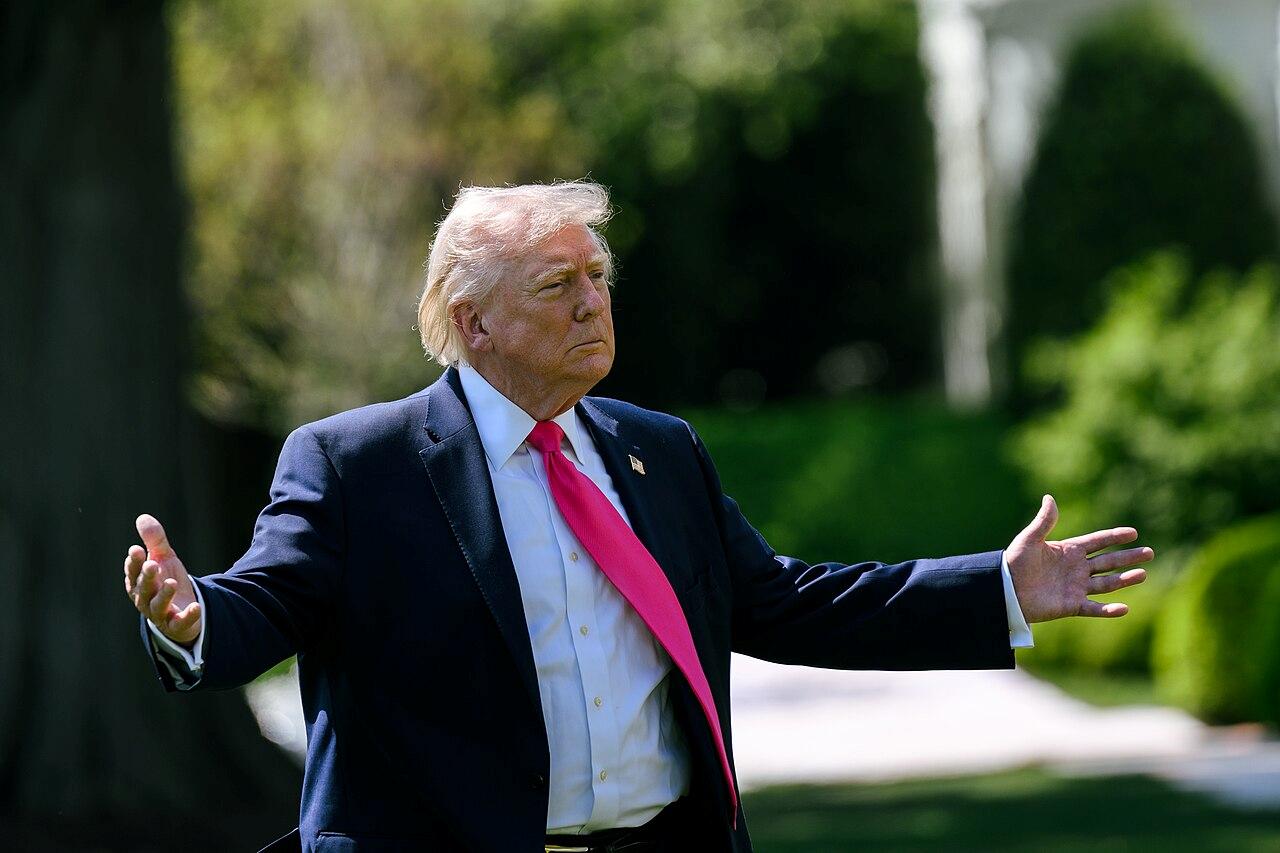
Donald Trump has spent half a century turning setbacks into spectacles. From brash Manhattan developer to reality-TV ringmaster to twice-elected president, his career has been a masterclass in branding resilience. Yet the past three years have added a darker chapter: three moments when gunfire interrupted his script—at the precise points when the spotlight burned brightest and the stakes were highest. Each time, investigators found a lone actor with no grand conspiracy. Each time, the would-be assassins failed. And each time, Trump emerged not merely unscathed but somehow fortified.
The latest episode came on April 25th at the White House Correspondents’ Association dinner in Washington. As the black-tie crowd settled in for an evening of barbed satire, a 31-year-old Californian named Cole Tomas Allen rushed a security checkpoint at the Washington Hilton. Armed with a shotgun, handgun and knives, he exchanged fire with Secret Service agents before being pinned to the floor. One agent was struck in the chest but saved by his vest. No one died. Mr Trump, the first lady and senior officials were whisked away in a practised blur. By midnight the president was back at the White House, praising his protectors and posting the image of the subdued suspect on Truth Social with the caption: “Pinned down like the dog he is.”
The pattern is uncanny. The first attempt struck in July 2024 at a campaign rally in Butler, Pennsylvania. Thomas Matthew Crooks, a 20-year-old local, fired from a rooftop just outside the secure perimeter, grazing Mr Trump’s ear, killing one spectator and wounding two others. Secret Service snipers killed Crooks within seconds. A congressional task force and FBI investigation, concluded by late 2025, painted a picture of preventable lapses—communications breakdowns, inadequate manpower and a failure to secure a clear line of sight—but no evidence of accomplices or ideological manifesto. Crooks acted alone; his motives remained opaque, a jumble of personal grievances rather than partisan zeal.
Two months later, in September 2024, Ryan Wesley Routh, a 58-year-old roofer and vocal Ukraine activist, was spotted hiding in bushes at Mr Trump’s Florida golf course with a scoped SKS rifle. He had scouted the location for weeks and left a trail of anti-Trump sentiment online. A Secret Service agent fired first; Routh fled and was arrested. No shots reached the former president. A jury convicted him in September 2025; in February 2026 he was sentenced to life. Again, the probe found a solitary figure driven by personal obsession, not a wider plot.
What makes the timing so striking is the stagecraft. Butler came at the height of the 2024 campaign, just as Mr Trump was consolidating his rematch against Joe Biden. The golf-course scare arrived weeks before the election, when every appearance carried mythic weight. The Hilton incident, by contrast, marked Mr Trump’s first formal return to the Washington press corps as sitting president—precisely the sort of high-visibility ritual where his blend of showmanship and grievance was meant to dominate the evening. In each case the violence arrived not in obscurity but under the klieg lights, amplifying the drama rather than extinguishing it.
Mr Trump’s journey to this point has always thrived on spectacle. The son of a Queens developer, he took over the family firm in the 1970s, rebranded it the Trump Organization and chased Manhattan glamour—hotels, casinos, skyscrapers—through bankruptcies, comebacks and relentless self-promotion. By the 1980s he was tabloid catnip; by the 2000s he was “The Apprentice” boss, firing contestants with theatrical relish. Politics, when it came in 2015, felt like an extension of the brand: outsider fury wrapped in gold-plated certainty. He won in 2016, lost in 2020, and stormed back in 2024. Survival, it seems, is simply the newest chapter.
Yet the three attempts reveal something deeper about the age he now governs. America’s political temperature has been rising for decades; Mr Trump did not create the fever, but he became its most visible symptom. Lone actors, radicalised in isolation, fixate on the man who dominates every screen. Probes consistently find no puppet-masters—only disturbed individuals who see in Trump both saviour and scapegoat. The irony is brutal: the very media glare that propelled his rise now supplies the stage for those who would end it.
For Mr Trump himself, each narrow escape has become political oxygen. He frames the attempts not as random horrors but as proof that “they” cannot stop him. Supporters hear defiance; critics hear cynicism. Either way, the narrative sticks. A man who once sold steaks and steaks now sells indestructibility. His second term, barely four months old, already carries the aura of destiny earned through fire—literal and political.
Whether this pattern breaks or repeats is unknowable. What is clear is that Donald Trump has turned even assassination attempts into another improbable plot twist. The developer who learned to brand buildings learned long ago how to brand himself. In the end, the bullets may miss, but the story never does.