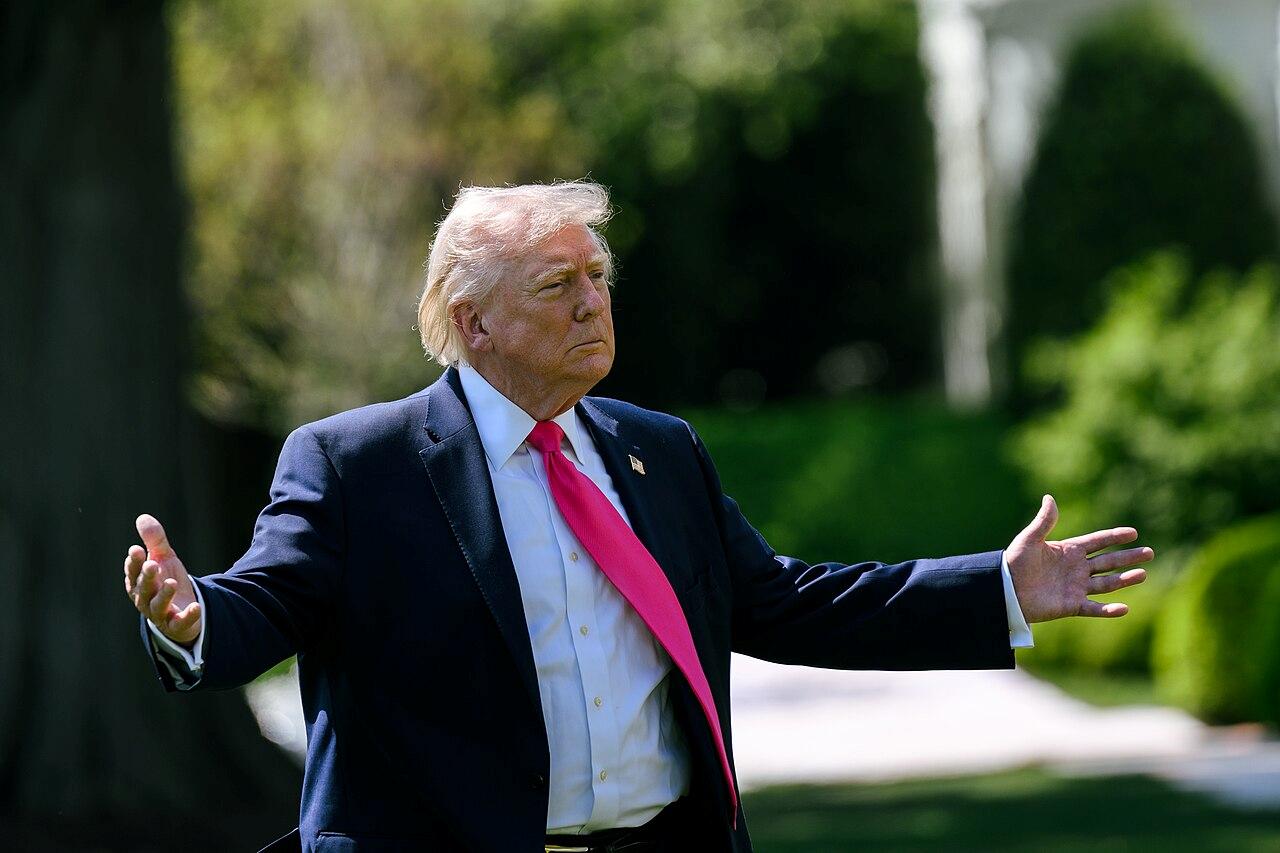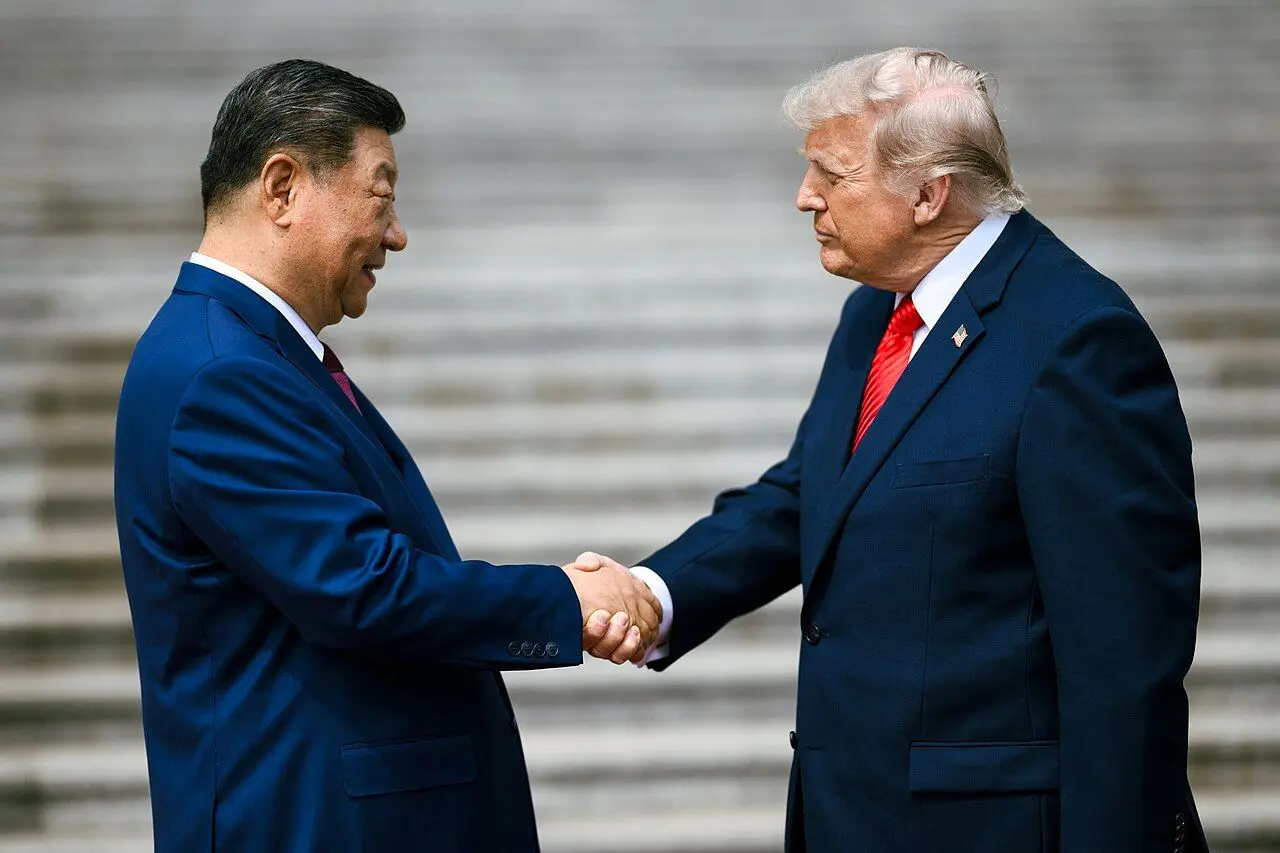
When President Donald Trump landed in Beijing on May 14, 2026, the choreography felt deliberately familiar: the honor guard at the Great Hall of the People, the state banquet, and warm personal tributes, with Trump once again calling Xi Jinping a “friend.” Two days later, the two leaders unveiled a framework to manage ties as “constructive, strategic, and stable.” China pledged stepped-up purchases of U.S. agricultural goods, energy, and Boeing aircraft. Discussions touched on critical minerals, AI safety guardrails, and keeping the Strait of Hormuz open amid the Iran conflict. Yet on Taiwan, Xi delivered a pointed warning of possible “clashes and even conflicts,” while Trump maintained strategic ambiguity on arms sales.
The summit produced a tactical truce rather than a strategic breakthrough. It’s real value lies in understanding what this encounter reveals about the evolution and limits of the U.S.-China diplomacy.
From Opening to Managing a Peer
The inevitable parallel with Richard Nixon’s 1972 visit is instructive but misleading if stretched too far. Nixon’s trip exploited the Sino-Soviet split, produced the deliberately ambiguous Shanghai Communiqué, and laid the groundwork for 1979 normalization. It was a classic great-power realignment at a time when China was economically weak, diplomatically isolated, and still reeling from the Cultural Revolution. Engagement then served a clear U.S. strategic purpose: countering Moscow while integrating a junior partner into the global system.
In 2026, the context is reversed. China is a formidable peer competitor with near-peer technological and military capabilities in key domains. The relationship is no longer about “opening” China but about managing deep interdependence alongside intense rivalry. This summit reflects pragmatic damage control rather than visionary realignment. Both sides recognize the enormous costs of uncontrolled escalation — fragmented supply chains, technological bifurcation, and heightened military risk — yet neither appears willing to concede on core interests.
Trump’s approach fits his second-term transactional doctrine: secure concrete deliverables (purchases, access) and lower near-term temperature while preserving leverage. For Xi, the timing is useful. Facing domestic economic pressures — slowing growth, debt concerns, and demographic headwinds — Beijing gains breathing room to stabilize external conditions without offering structural concessions on technology transfer, subsidies, or regional assertiveness.
Implementation Risks and Global Consequences
The modest outcomes — a proposed bilateral “Board of Trade” mechanism and renewed purchase commitments — will matter only if implemented. History is littered with unfulfilled China purchase pledges. The real test will be whether working groups can deliver incremental progress on non-strategic issues while the two powers continue competing fiercely in semiconductors, AI, and military posture in the Indo-Pacific.
For global geopolitics, the summit offers short-term stabilization without resolving underlying tensions. Allies in Europe and East Asia will likely welcome reduced immediate volatility but remain wary of any perception that Washington is softening its stance on Taiwan or critical technologies in exchange for economic wins. Indo-Pacific partners, in particular, will continue hedging: deepening selective cooperation with both Washington and Beijing while investing in their own resilience. Southeast Asian nations and middle powers gain continued space to maneuver but face no relief from the pressure to choose sides in a prolonged rivalry.
Longer term, this meeting underscores a new normal: managed great-power competition rather than Cold War-style confrontation or optimistic engagement. Unlike the 1970s, there is no unifying external threat capable of aligning interests for long. Russia and Iran offer limited tactical overlap, but structural drivers — clashing visions of regional order, technological supremacy, and ideological differences — point to sustained friction.
The 2026 Beijing summit is no “week that changed the world.” Instead, it is a sober recognition that the world has already been transformed by China’s rise — a rise facilitated in part by earlier generations of engagement. The challenge now is to compete vigorously without catastrophe. Success will depend less on personal chemistry or grand communiqués and more on disciplined execution, alliance maintenance, and realistic expectations.In an era of strategic patience, this détente buys time. Whether that time is used wisely by both capitals will shape the global order for the remainder of the decade — and beyond.