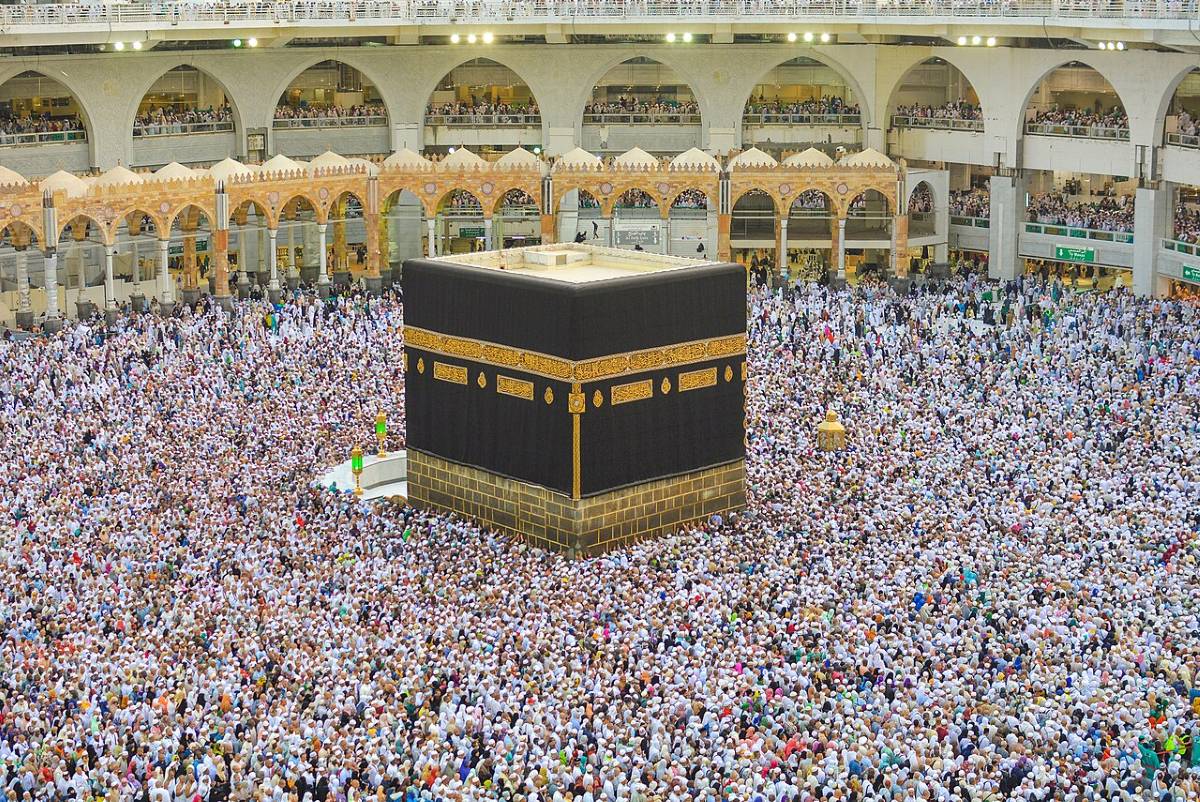
The Hajj is meant to be a profoundly spiritual affair: a once-in-a-lifetime submission to the divine, stripped of worldly vanities. This year, however, the path to Mecca has acquired an unwelcome material edge. A sharp surge in aviation fuel prices, triggered by fresh turmoil in the Middle East, has made the pilgrimage noticeably more expensive for Muslims worldwide.
Since early 2026, jet-fuel costs have roughly doubled at their peak, climbing from around $88 per barrel in mid-February to highs near $209 in early April. Even after some easing, prices remain uncomfortably elevated. The Strait of Hormuz, through which roughly a fifth of the world’s oil passes, has once again exposed its fragility. The result is unforgiving arithmetic for the charter flights ferrying pilgrims to Jeddah and Medina. A single long-haul Hajj flight can consume tens of thousands of litres; when the price per litre surges, even the most devout ledger feels the strain.
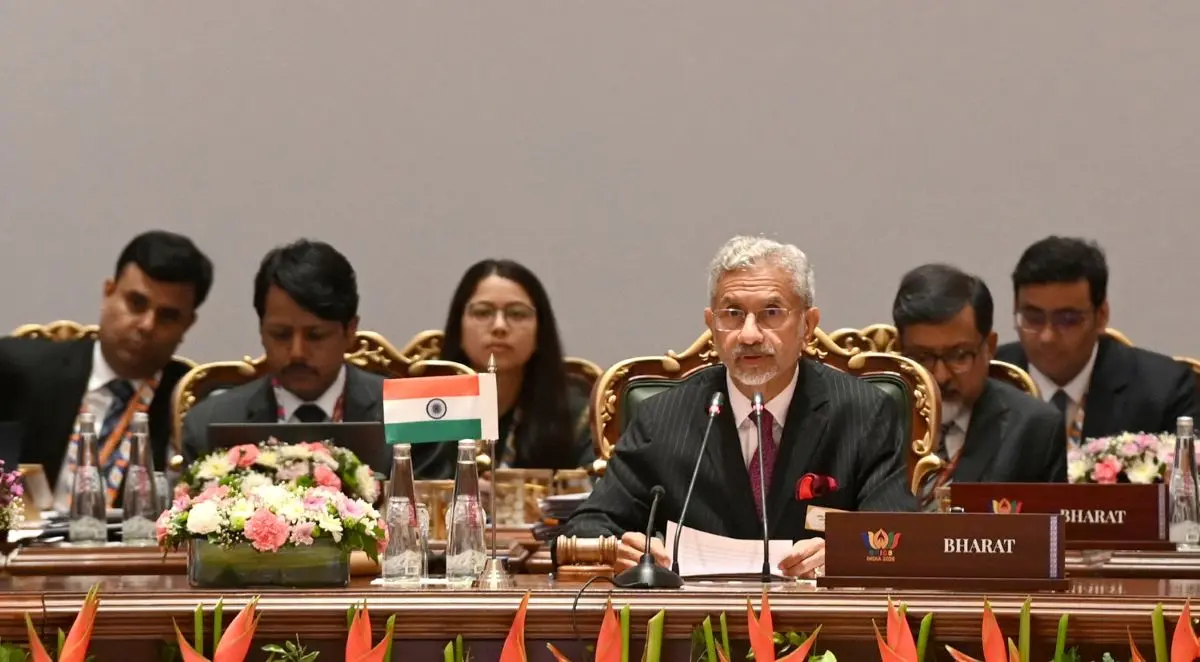
The impact has been felt unevenly across the ummah. In India, the Haj Committee informed selected pilgrims of an extra Rs10,000 ($120) per person in airfare after airlines pressed for revisions exceeding $400. Officials, after what they termed tough negotiations, capped the increase at $100 and presented it as prudent protection for families who had already budgeted for a fixed fare. Opposition politicians were unimpressed, denouncing the last-minute levy as an injustice.
Indonesia, which sends the largest contingent, faced even greater pressure. Airlines proposed substantial surcharges amid a fuel-price jump of around 70–92% in April and a weakening rupiah. The government responded by absorbing the bulk of the Rp1.77 trillion ($103m) overrun in flight costs and is proceeding with a planned reduction of roughly Rp2 million ($117) in the overall Hajj cost per pilgrim.
In Nigeria, the outlook is more precarious. Jet A1 prices have roughly tripled at some domestic airports, while costs on the Saudi side have more than doubled. With a single aircraft burning around 70,000 litres on the Nigeria–Saudi route, aviation stakeholders have warned loudly that without government intervention the airlift could face sharp fare increases or even disruption.
Elsewhere the picture is mixed. Pakistan has stated that its official quota of pilgrims will not face additional fuel-related charges. Malaysia’s Tabung Haji has largely held its package prices steady by drawing on internal resources. In wealthier countries and among independent travellers using commercial flights or private operators, the full force of the spike — often compounded by rerouting and higher insurance — has landed more directly on the pilgrim’s wallet.
Such disparities are predictable. Governments with deeper pockets or dedicated Hajj funds can cushion the blow; those with tighter finances must weigh subsidy against shortfall. Airlines, naturally, have little appetite for flying charters at a loss when fuel now forms such a large share of costs. The faithful, meanwhile, are reminded once again that even the most sacred journey is not immune to the vulgarities of commodity markets and geopolitical indigestion.
For millions who have saved patiently, any extra hundreds of dollars — or rupees, or naira — arrive as an irritating earthly reminder just as departure approaches. The road to Mecca has always tested endurance — of body, spirit, and purse. This year, the first and least edifying test is financial. Geopolitics in the Gulf has a tiresome habit of turning piety into a budget line.