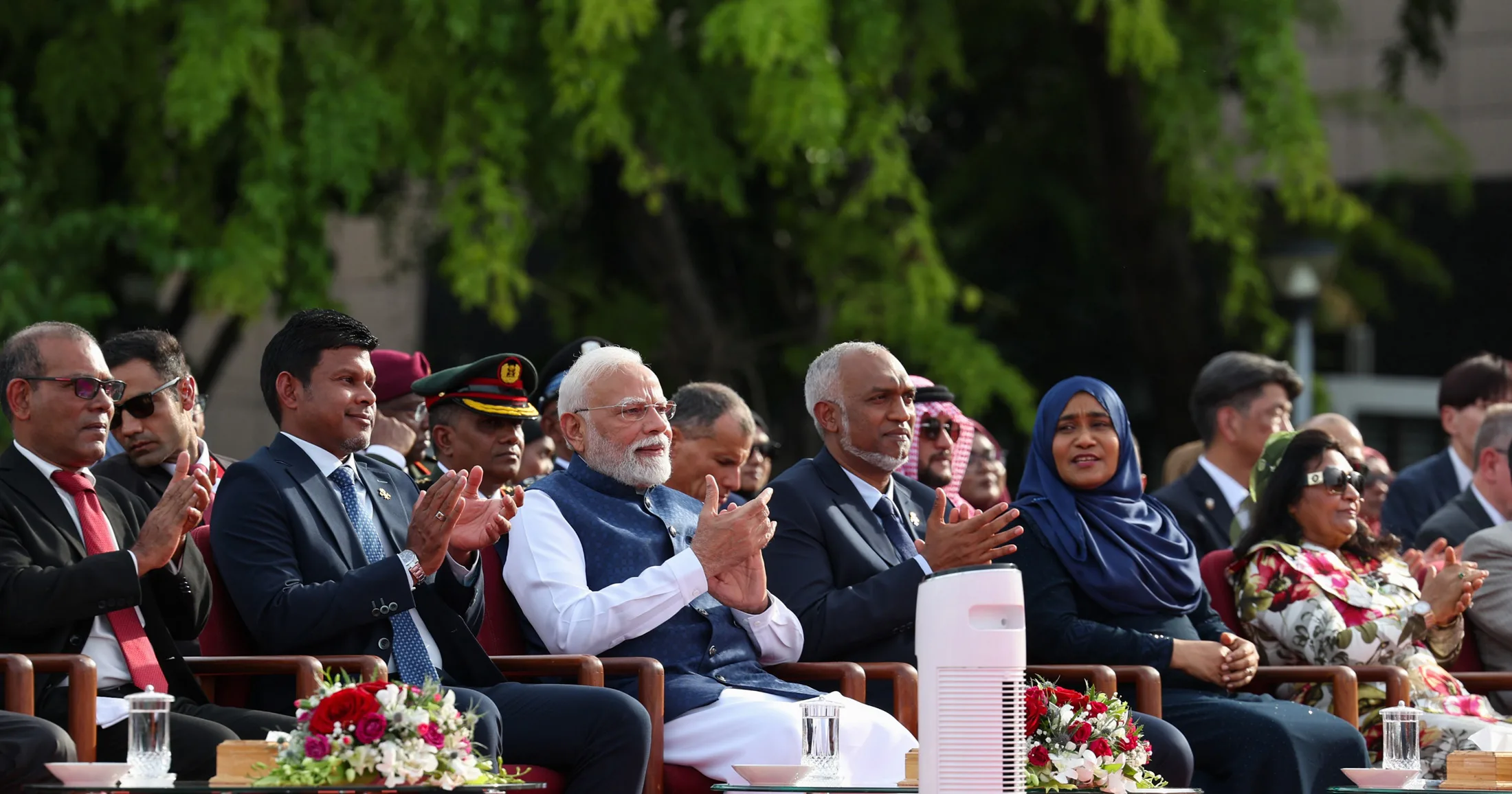
The serene azure waters of the Indian Ocean, long a symbol of tranquility, now reflect the intricate dance of geopolitical power, with the Maldives at its heart. A recent, surprising diplomatic turnaround between the island nation and India, marked by Prime Minister Narendra Modi’s state visit to Malé in July 2025 and a remarkably warm reception from President Mohamed Muizzu, signals a significant recalibration. This shift comes despite Muizzu’s rise to power on an “India Out” campaign, highlighting the complex interplay of historical ties, domestic political currents, stark economic realities, and intensifying great power competition. The Maldives, strategically positioned along crucial global shipping lanes, is more than a tourist paradise; it is a critical node in the Indo-Pacific’s evolving security architecture, making its relationship with India a focal point of global attention.
The recent diplomatic shift is not simply a return to a prior state of affairs but represents a pragmatic recalibration, largely compelled by immediate economic pressures and the limitations of an ideologically driven foreign policy. President Muizzu’s initial foreign policy was clearly rooted in a desire to reduce dependence on India and foster closer ties with China, even breaking the tradition of newly elected Maldivian presidents visiting India first by choosing Turkey and China instead. His subsequent public praise for Prime Minister Modi and the warm reception extended during the July 2025 visit underscore that the underlying drivers for this change are more fundamental and practical than mere political rhetoric. This suggests that while his initial stance was politically motivated, the severe economic consequences of that approach have necessitated a more pragmatic adjustment.
The Maldives’ strategic location, situated south of India’s Lakshadweep Islands and astride crucial sea lines of communication, positions it as a “critical node” within India’s maritime strategy and the broader regional security framework. This unique geographical advantage has led to its emergence as a potential “buffer state” between regional powers like India and China. However, this strategic value, while attracting external aid and investment, also inherently exposes the Maldives, the smallest South Asian nation, to the risk of becoming a geopolitical battleground. Its small size, economic vulnerabilities, and continuous need for foreign assistance mean that achieving absolute sovereignty, despite nationalistic rhetoric, remains a significant challenge.
Enduring Bonds: India’s “First Responder” Role
For decades, India has cultivated its image as the Maldives’ steadfast neighbor and reliable “first responder,” a role cemented by historical interventions and consistent humanitarian and developmental assistance. This deep-rooted relationship, far from transactional, has built a foundation of trust and mutual strategic interest, positioning India as a primary security guarantor and economic partner in the archipelago.
A pivotal moment that solidified this bond was India’s prompt and decisive military intervention during the 1988 coup attempt, known as Operation Cactus. This swift action successfully quelled the coup, leading to the development of enduring trust and friendly bilateral relations. Crucially, India’s immediate withdrawal of its troops once the mission was accomplished assuaged any fears of dominance, reinforcing its commitment as a benevolent partner. Beyond military assistance, India has consistently acted as the “first responder” during various crises, including the devastating 2004 Tsunami, the critical 2014 Malé water shortage, and the global 2020 COVID-19 pandemic, further solidifying its credentials as a trusted ally.
Defense and security cooperation have been cornerstone elements of this partnership since 1988, with India adopting a flexible and accommodating approach to meet Maldivian requirements. India provides the largest number of training opportunities for the Maldivian National Defence Force (MNDF), fulfilling approximately 70% of their defense training needs, with over 1,500 MNDF trainees benefiting over the past decade. Joint activities include joint EEZ patrols, military exercises, anti-narcotics operations, search and rescue (SAR), and humanitarian assistance and disaster relief (HADR) exercises. Agreements further deepen this cooperation, including India permanently basing two helicopters in the Maldives, assisting in setting up coastal radars on all 26 atolls for seamless coverage, and networking these radars with the Indian coastal radar system, effectively integrating the Maldives into the “Indian security grid”. Both nations play a key role in maintaining security in the Indian Ocean Region, contributing to India’s SAGAR (Security and Growth for All Regions) vision.
This depth of defense and security cooperation, particularly the proposed networking of coastal radars and permanent basing of helicopters, signifies a de facto integration of Maldivian security capabilities into India’s broader maritime security grid. This arrangement highlights India’s perception of the Maldives as crucial to its own national security interests. The explicit mention of the Southern Naval Command overseeing the inclusion of the Maldives into the “Indian security grid” directly points to this strategic integration. India’s engagement in Maldivian security is thus not solely altruistic; it is deeply intertwined with its own maritime security imperatives, especially given the Maldives’ pivotal location in the Indian Ocean and the increasing influence of other external actors.
Economically, the relationship is robust. A comprehensive trade agreement signed in 1981 provides for the export of essential commodities from India, with quotas for 2024-25 reaching their highest approved levels. Bilateral trade has seen significant growth, crossing the USD 500 million mark in 2022 and reaching USD 548 million in 2023. This surge has been driven by the launch of a dedicated cargo vessel service in September 2020 and various Lines of Credit (LoC) projects initiated since 2021. India has also provided extensive economic aid and participated in bilateral programs for infrastructure, health, telecommunications, and labor resources development.
The “India Out” Era: A Diplomatic Chill
The election of President Mohamed Muizzu in September 2023 ushered in a period of unprecedented diplomatic strain, fueled by a nationalistic “India Out” campaign that challenged decades of close ties. This political rhetoric quickly translated into policy shifts and public acrimony, exposing the fragility of the relationship when domestic politics override geopolitical pragmatism.
Mohamed Muizzu’s ascent to power was largely predicated on his prominent “India Out” campaign, which served as a cornerstone of his election strategy. His foreign policy objectives were clearly articulated: to reduce dependence on India, increase cooperation with China, and diversify relations with other countries. A significant departure from tradition, Muizzu chose Turkey in December 2023 and China in January 2024 for his first state visits, rather than India. A key campaign promise, reaffirmed immediately after taking office, was the demand for the withdrawal of Indian military personnel stationed in the archipelago.
Tensions escalated significantly in early 2024 following inflammatory social media posts by several Maldivian government officials targeting Prime Minister Modi, made in response to his visit to India’s Lakshadweep islands. These derogatory remarks, though later disavowed by Muizzu and leading to the suspension of the officials, sparked a swift and severe backlash in India, culminating in a widespread “Boycott Maldives” campaign among Indian tourists. The economic impact was immediate and tangible: Indian tourism to the Maldives, which was the largest source market in 2023 with over 200,000 visitors, dropped significantly by 42.5% by July 2024, causing India’s market ranking to plummet from first to sixth place. An EU report confirmed that the ruling coalition (PPM-PNC) actively “deployed anti-India sentiments and attempted to spread disinformation” during the 2023 presidential elections, leveraging fears of Indian influence.
This “India Out” campaign, while presented as a nationalistic assertion of sovereignty and self-reliance, was primarily a calculated electoral strategy that deliberately leveraged and amplified existing public anxieties about Indian influence. The EU report explicitly states that the ruling coalition “deployed anti-India sentiments and attempted to spread disinformation” during the 2023 presidential elections, basing their campaign on “fears of Indian influences”. Furthermore, former Sri Lankan President Ranil Wickremesinghe’s assertion that Muizzu admitted the “India Out” campaign was primarily a tool for “electoral mobilisation” strongly supports this interpretation. This indicates a top-down political engineering effort, designed to win votes by tapping into existing nationalist sentiments, rather than a purely organic grassroots movement. The immediate and severe economic repercussions following the campaign’s success further highlight the disconnect between such political rhetoric and the practical realities of governance.
The rapid and severe economic consequences of the diplomatic spat, particularly the tourism boycott, starkly exposed the Maldives’ deep economic vulnerability and its over-reliance on a single sector (tourism) and, critically, a single dominant source market (India). This situation directly compelled a rapid and pragmatic re-evaluation of its foreign policy. Tourism is vital to the Maldivian economy, accounting for approximately 30% of its GDP and generating 60% of its foreign currency. India was consistently the top tourist source market for three years. The sharp decline in Indian tourist arrivals represents a direct and substantial blow to the nation’s primary economic engine, demonstrating that the “India Out” rhetoric, while politically effective in the short term, was economically unsustainable in the long run.
The Pragmatic Pivot: Economic Realities and Geopolitical Imperatives
The diplomatic chill initiated by President Muizzu’s “India Out” campaign proved unsustainable in the face of harsh economic realities. A dire fiscal situation, coupled with underwhelming support from alternative partners, compelled Malé to seek a pragmatic recalibration. India, adopting a strategy of measured engagement rather than retaliation, provided a crucial lifeline, demonstrating its indispensable role and prompting a significant turnaround in bilateral ties.
The Maldivian economy is currently under severe stress, marked by a substantial budget deficit and dwindling foreign reserves. The International Monetary Fund (IMF) has warned that the Maldives “remains at high risk of external and overall debt distress”. Public and publicly-guaranteed debt stood at US 8.2 billion, equivalent to116440 million, covering only 1.5 months of imports, exacerbating the crisis.
Despite President Muizzu’s initial pivot towards China and the signing of numerous agreements, foreign assistance from China “has not materialised at the expected scale or pace”. In contrast, India remained the “only country willing to provide immediate and substantive assistance” to the Maldives.
Amidst early concerns, India chose “restraint over rhetoric,” maintaining steady engagement. Prime Minister Modi was notably the first world leader to congratulate Muizzu after his election. A major bilateral hurdle was overcome when India responded positively to Muizzu’s request to withdraw troops, replacing 76 military personnel with civilian technicians by May 2024. India provided a crucial economic lifeline: rolling over repayment of a US 50 million treasury bill, granting a second−year extension in May 2025, and offering currency swaps worth US 750 million to sustain the Maldivian economy. India increased its aid to Maldives by Rs 120 crore in Budget 2025, a 27% increase to Rs 600 crore. Furthermore, India agreed to ease Maldives’ loan repayment burden by 40%, reducing annual Line of Credit debt repayment from US 51million to US 29 million.
The recent high-level engagements underscore this shift. Prime Minister Modi’s state visit culminated in the exchange of eight important agreements, including a new Line of Credit worth Rs 4,850 crore (approximately USD 565 million) for priority projects in defense, healthcare, education, and housing. These agreements covered debt repayment, fisheries, digital payments (UPI, RuPay, local currency trade), and renewable energy cooperation. Joint inaugurations of infrastructure projects, including 3,300 social housing units, vehicles for security forces, and the new defense ministry building built with Indian assistance, further cemented ties. President Muizzu publicly praised Prime Minister Modi and acknowledged India’s pivotal role, stating, “nobody will doubt how India will be a very crucial partner going forward”. In a significant gesture of renewed trust, Maldives even shifted one of its Chinese agriculture projects after India relayed concerns about Chinese projects near the India-funded Uthuru Thila Falhu (UTF) harbour.
India’s strategy of “restraint over rhetoric” and consistent, substantive economic assistance proved significantly more effective than retaliatory measures, demonstrating a mature and pragmatic diplomatic approach that ultimately compelled the Maldives to recalibrate its foreign policy. Despite the derogatory remarks by Maldivian ministers and the “India Out” campaign, India deliberately chose not to engage in public recriminations. Instead, it maintained open channels of communication, responded positively to the troop withdrawal request by replacing military personnel with civilians , and, most importantly, provided critical economic lifelines such as debt rollovers, currency swaps, increased aid, and significant debt relief. This sustained, accommodative financial support directly addressed the Maldives’ dire economic situation, especially when anticipated support from China was “underwhelming”. This strategic patience and economic leverage proved decisive in influencing Muizzu’s pivot, highlighting that practical assistance can overcome political antagonism.
The “pragmatic pivot” by President Muizzu is not an abandonment of his “Maldives First” policy, but rather a strategic recognition that achieving the goals of self-reliance and diversification requires India’s stability and economic support. This makes India an unavoidable, if not always preferred, partner in his broader foreign policy agenda. Muizzu’s core foreign policy objectives still include reducing dependence on India, increasing cooperation with China, and broader diversification. This “pivot” is described by experts as “employing pragmatism” and “de-hyphenating politics from geopolitics”. This suggests that while his ideological stance might remain “Maldives First” and a desire for less reliance on India, the immediate economic crisis forced him to acknowledge India’s indispensable role for financial stability. The shift of a Chinese agriculture project demonstrates a newfound sensitivity to India’s security concerns, indicating a strategic compromise rather than a complete ideological reversal. This implies that the relationship is now about a more selective, “quality over quantity” engagement, where India’s economic assistance is crucial, even as Maldives continues to explore other partnerships.
The China Factor: A Persistent Shadow in the Indian Ocean
Beyond the bilateral dynamics, the Maldives-India relationship is inextricably linked to the broader geopolitical competition for influence in the Indian Ocean. China’s growing economic footprint and strategic ambitions in the region cast a persistent shadow, forcing the Maldives to navigate a delicate balancing act between its traditional partner and a rising global power.
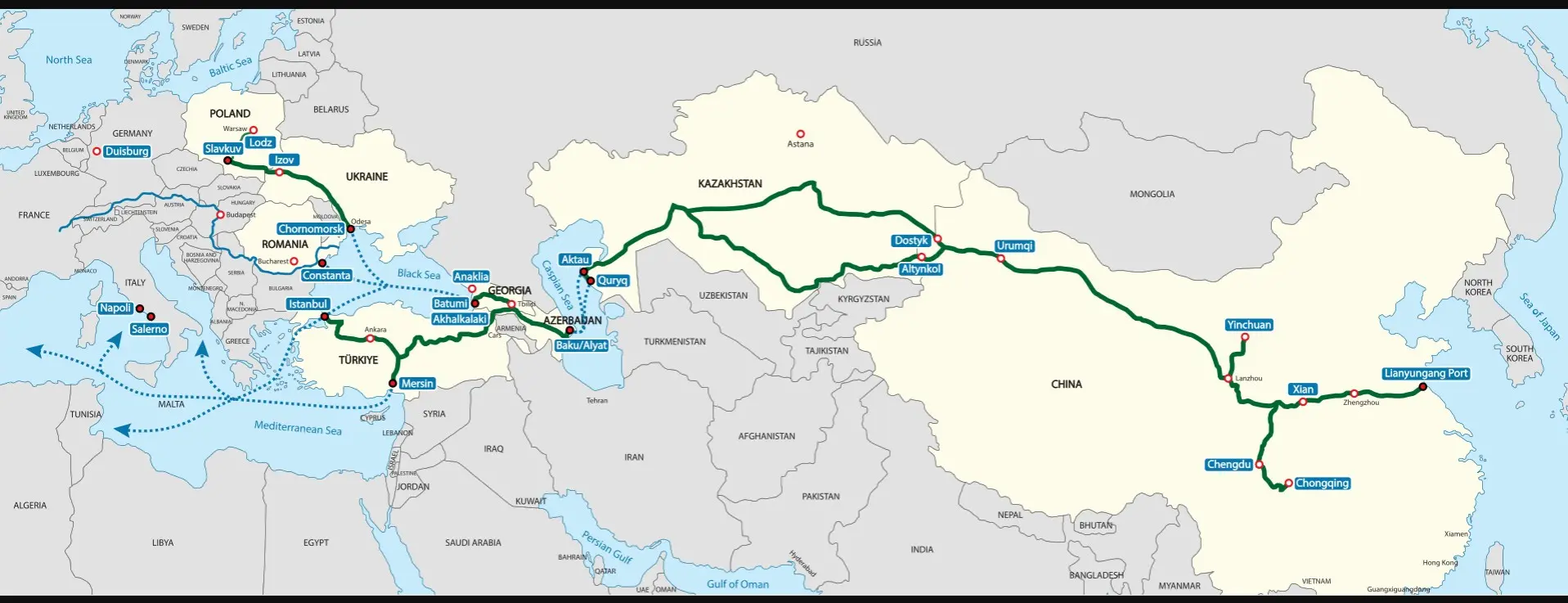
The Maldives’ strategic location along major Indian Ocean shipping routes is crucial for China, as nearly 80% of its oil imports flow through these passages. China’s Belt and Road Initiative (BRI) serves as a key vehicle for expanding its economic and strategic footprint in the region. Analysts suggest Beijing seeks to ensure Malé remains a friendly regional presence to safeguard its access to vital trade routes and energy supplies from the Persian Gulf. Concerns persist in India and among global powers about China’s “String of Pearls” strategy, which aims to build or finance strategic infrastructure in countries like Sri Lanka and Pakistan, potentially encircling India and projecting power far beyond China’s shores.
The Maldives officially joined China’s BRI in 2014. Since then, it has borrowed approximately US 1.4 billion from Chinese banks, which now constitutes about 20200 million China-Maldives Friendship Bridge (Sinamale Bridge) connecting Malé, Hulhulé, and Hulhumalé, and the expansion of Velana International Airport, valued at approximately US800million.
President Muizzu’s inaugural state visit to China in January 2024 resulted in twenty new agreements, including financial and military assistance. A military assistance agreement in March 2024 focused on “non-lethal military” training and equipment.
China’s extensive economic engagement in the Maldives, while providing much-needed infrastructure development, simultaneously creates a significant “debt trap” vulnerability that Beijing can leverage for strategic influence. This directly challenges India’s traditional dominance and contributes to a regional security dilemma. The fact that approximately 70% of Maldives’ total debt is attributed to Chinese projects, amounting to US$1.37 billion, is a staggering figure for a small island nation. The IMF’s explicit warning about a “high risk of debt problems” directly links this debt to potential economic instability and leverage. The concept of “debt-for-equity” implies that this economic leverage could translate into strategic assets or political concessions, such as potential dual-use facilities. This direct financial dependency on China, coupled with Beijing’s strategic interests in the Indian Ocean, creates a direct challenge to India’s long-standing security role and contributes to a broader geopolitical competition, making the Maldives a critical point in the “String of Pearls” strategy.
The Maldives’ attempt to “diversify” its foreign relations, while framed as a nationalistic pursuit of self-reliance and increased agency, is inherently a complex geopolitical tightrope walk. This approach risks alienating traditional partners like India while potentially falling deeper into the orbit of new ones like China, highlighting the limited true agency of small island states in great power competition. Muizzu’s stated foreign policy aims are to “reduce dependence on India, increase cooperation with China, and diversify relations with others”. This “diversification” is presented as a means to increase the Maldives’ “agency”. However, the immediate and severe economic consequences of the “India Out” campaign forced a rapid return to India for essential economic support. Simultaneously, the substantial Chinese debt suggests that while reducing reliance on India, the Maldives risks replacing one form of dependence with another, potentially from China. The acquisition of Turkish drones is an example of diversification, but it also directly replaces Indian assets, showing a continued desire to reduce India’s military presence, even while accepting Indian economic aid. This balancing act requires navigating the “redlines” of both major powers, underscoring the inherent limitations on the autonomy of small states caught between competing geopolitical ambitions.
Looking Ahead: Navigating a Complex Future
The recent diplomatic reset offers a fragile stability, but the future of India-Maldives relations remains subject to a complex interplay of domestic political shifts, persistent economic vulnerabilities, and the intensifying great power competition in the Indian Ocean. While opportunities for deeper cooperation exist, navigating these challenges will require sustained diplomatic dexterity from both Malé and New Delhi.
The sustainability of this reset hinges on several factors. President Muizzu’s People’s National Congress (PNC) secured a super-majority in the April 2024 parliamentary elections, potentially solidifying his policy direction. However, the “India Out” campaign was largely an electoral tool, and future economic pressures or shifts in public sentiment could dictate further policy adjustments. The Maldives’ continued high debt burden, heavy reliance on tourism, and extreme vulnerability to climate change and sea level rise will ensure its ongoing reliance on external aid and partnerships.
The challenges ahead are significant. India and China will inevitably continue to vie for influence in the strategically vital Indian Ocean. The United States has also increased its engagement in the Maldives since 2020, adding another layer of complexity to the regional dynamics. The Maldives faces the enduring challenge of managing its relationships with multiple international partners without alienating any, particularly India, while simultaneously addressing its own national security and development needs. Furthermore, the Maldives remains vulnerable to internal political instability, including threats from conservative coups and concerns about terrorism, with reports indicating a high per capita number of foreign fighters joining terrorist organizations.
Despite these challenges, opportunities for cooperation abound. The new Line of Credit, ongoing Free Trade Agreement (FTA) talks, the implementation of the Unified Payment Interface (UPI), and discussions on a local currency settlement system offer significant avenues to bolster economic ties and facilitate trade. Enhanced maritime security cooperation, through India’s continued support for the Maldives’ defense capabilities, joint exercises, and regional security initiatives like the Colombo Security Conclave, can strengthen regional maritime security against piracy, terrorism, and smuggling. Efforts to revive Indian tourism through targeted campaigns and enhanced connectivity can rebuild cultural and social links, fostering goodwill and mutual understanding.
The recent “reset” is likely a tactical pause in the Maldives’ long-term strategy of diversifying away from over-reliance on India, primarily driven by immediate economic necessity, rather than a fundamental shift in its underlying “Maldives First” philosophy. While Muizzu has shown pragmatism in engaging with India, his core foreign policy objectives still include reducing dependence on India and increasing cooperation with China, alongside broader diversification. The acquisition of Turkish drones to replace Indian assets and continued defense cooperation with China indicate that the desire for strategic autonomy and alternative partnerships persists. The “reset” appears to be a pragmatic response to the severe economic crisis and India’s accommodative stance, suggesting that while India’s economic lifeline is crucial, the underlying strategic orientation of “Maldives First” remains, implying a more selective engagement with India, focusing on critical economic aid while still exploring other avenues.
The Maldives’ foreign policy will remain highly susceptible to rapid shifts driven by domestic political dynamics and economic pressures, making its long-term alignment fluid and inherently unpredictable. This poses a constant challenge for regional stability and for India’s “Neighbourhood First” policy. The “India Out” campaign was clearly a domestic political tool used for electoral mobilization. The subsequent rapid shift back towards India was largely compelled by the dire economic distress caused by the diplomatic spat. This demonstrates that internal factors (electoral cycles, economic health, public sentiment) can quickly override stated foreign policy positions and ideological commitments. The historical pattern of shifting alliances between pro-India (Maldivian Democratic Party) and pro-China (People’s National Congress) governments further underscores this inherent fluidity. For India, this means that its “Neighbourhood First” approach must evolve to be consistently “reliable and accommodative” through “institutionalized mechanisms rather than a personalized approach,” acknowledging the Maldives’ agency while mitigating the impact of its internal political volatility on regional stability.
A Resilient, Yet Evolving, Partnership
The recent diplomatic turnaround between the Maldives and India is a testament to the enduring, albeit complex, nature of their relationship. From India’s consistent role as a “first responder” to the recent pragmatic pivot necessitated by economic realities, the narrative underscores India’s indispensable role in the archipelago’s stability and development. India’s fundamental and indispensable role as a security provider, economic partner, and humanitarian first responder remains a constant despite political fluctuations in Malé. 1 As the Indian Ocean intensifies as a theater of great power competition, the Maldives will continue to navigate a delicate balance, its future intertwined with its ability to manage domestic aspirations, economic vulnerabilities, and the strategic imperatives of its closest neighbor and the broader Indo-Pacific. The resilience of this partnership, despite recent turbulence, highlights its fundamental importance for regional security and prosperity. The future of this relationship, and by extension, regional stability, hinges on a delicate balance between Maldivian sovereignty and economic needs, India’s strategic imperatives, and the persistent shadow of great power competition, particularly with China.