India in a Time of Global Energy Uncertainty: Confidence, Caution, and Course Correction

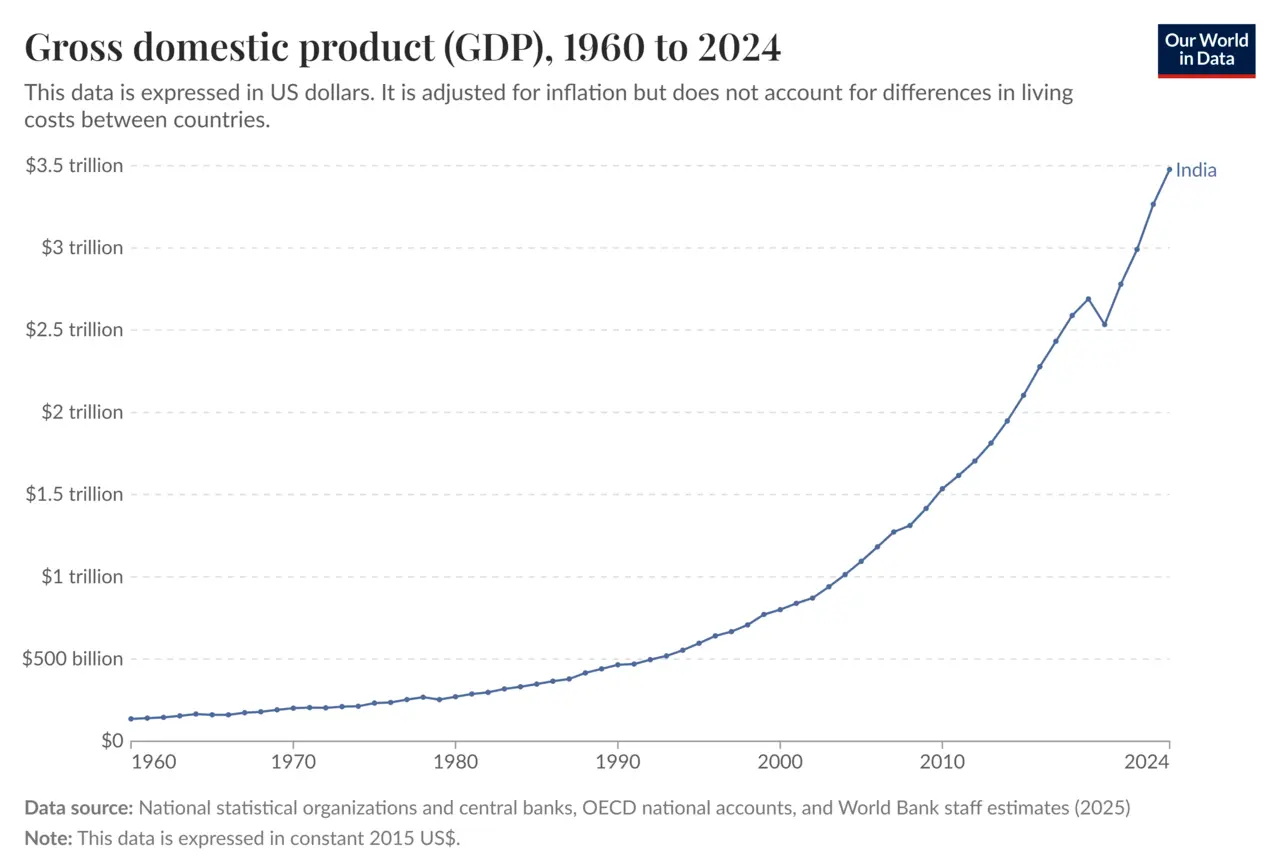
The global economy today stands at a critical inflection point. Geopolitical tensions, particularly in keyenergy-producing regions, have once again exposed the fragility of global supply chains and the deep interlinkages between politics and economics. Oil prices remain volatile—hovering in the range of $75–95 per barrel in recent periods—while inflationary pressures persist across continents and growth forecasts continue to be revised downward. For energy-importing nations, the situation is especially complex, demanding not only resilience but strategic foresight. India, as one of the world’s fastest-growing major economies and the third-largest oil importer globally, finds itself at the centre of this unfolding global…

India’s Resilience in an Age of Crisis: Navigating Oil, Energy, and Economic Pressures

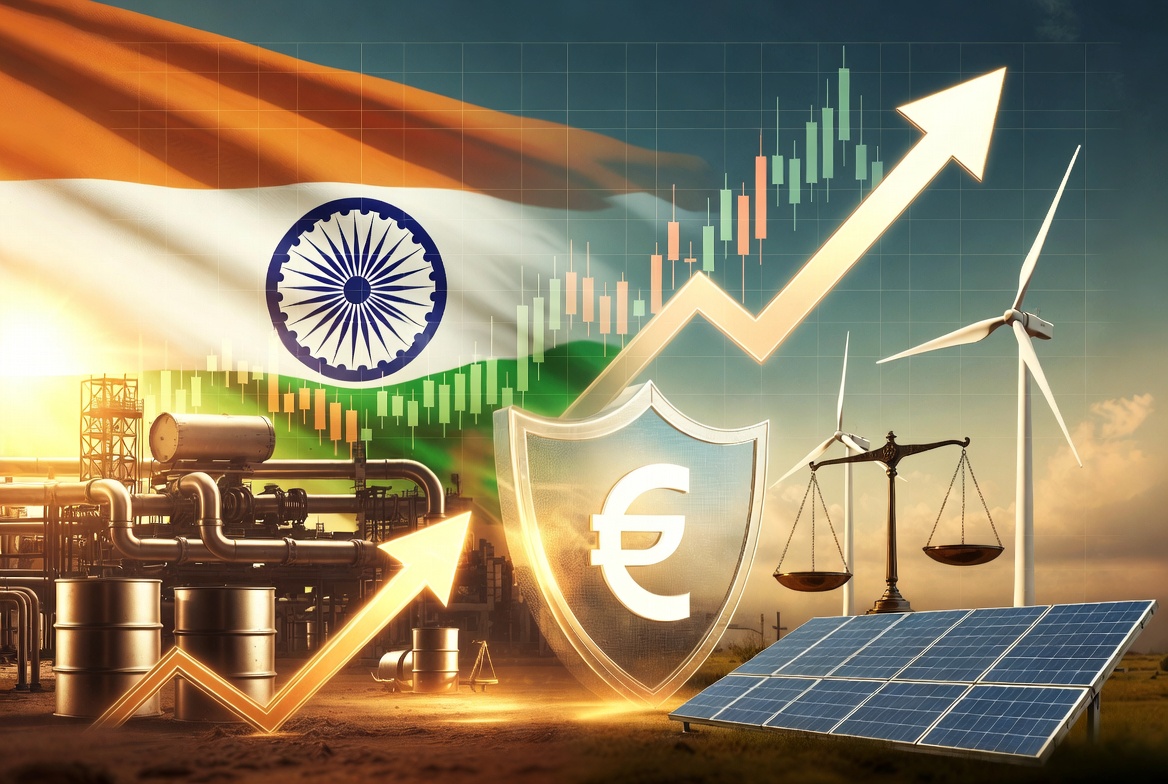
In an era defined by overlapping global crises—volatile oil prices, energy insecurity, and economic uncertainty—India stands at a critical juncture. As one of the world’s fastest-growing major economies and the third-largest energy consumer, the country faces a unique challenge: sustaining growth while shielding its population from external shocks. Yet, the response of the Indian government in recent years reflects a calibrated mix of pragmatism, innovation, and long-term vision—one that is increasingly policy-driven and reform-oriented. A Perfect Storm: Oil, Energy, and Economic Pressures The global energy landscape has been anything but stable. Supply disruptions triggered by geopolitical tensions, particularly the Russia-Ukraine…

India’s Inflation-Export Paradox: Can Domestic Demand Sustain Growth Amid Rising Food Prices and Weak Global Trade

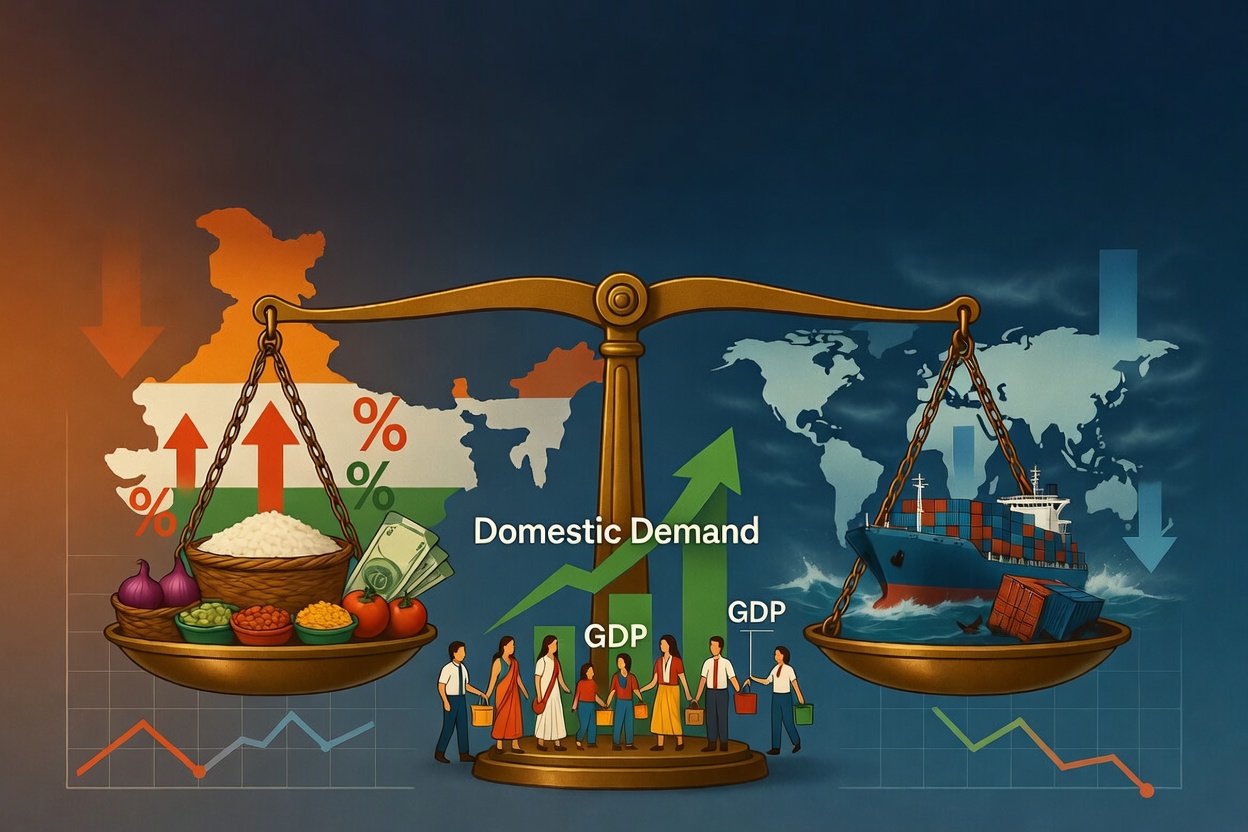
India’s economic story in recent years has stood out as a rare bright spot in an otherwise fragile global landscape. While advanced economies grapple with stagnation and slowing trade, India continues to post robust growth numbers. Yet beneath this resilience lies a complex and emerging paradox—persistently high food inflation coexisting with weakening export demand. Together, these forces raise a critical question: Is India entering a phase where domestic demand must shoulder the burden of growth amid structural inflationary pressures and a soft external sector? The Changing Nature of Inflation in India Inflation in India has increasingly taken on a dual…

Recalibrating the Global South: The Strategic Genesis of the India–Brazil Axis

When Luiz Inácio Lula da Silva arrived in New Delhi in February 2024, accompanied by one of the largest Brazilian business delegations in recent history, the visit transcended the standard ceremonial reaffirmation of bilateral ties. It signaled a tectonic shift in the global political economy. At a time when trade fragmentation, technological contestation, and supply-chain realignments are redefining international engagement, Lula’s visit marked the consolidation of a new, high-tech axis within the Global South. According to the Ministry of External Affairs (MEA), the two leaders convened to review the “entire gamut of bilateral relations,” with a mandate covering trade, investment,…

Is India Moving from an Assembly Hub to a Value-Added Manufacturing Economy – Can AI accelerate the shift

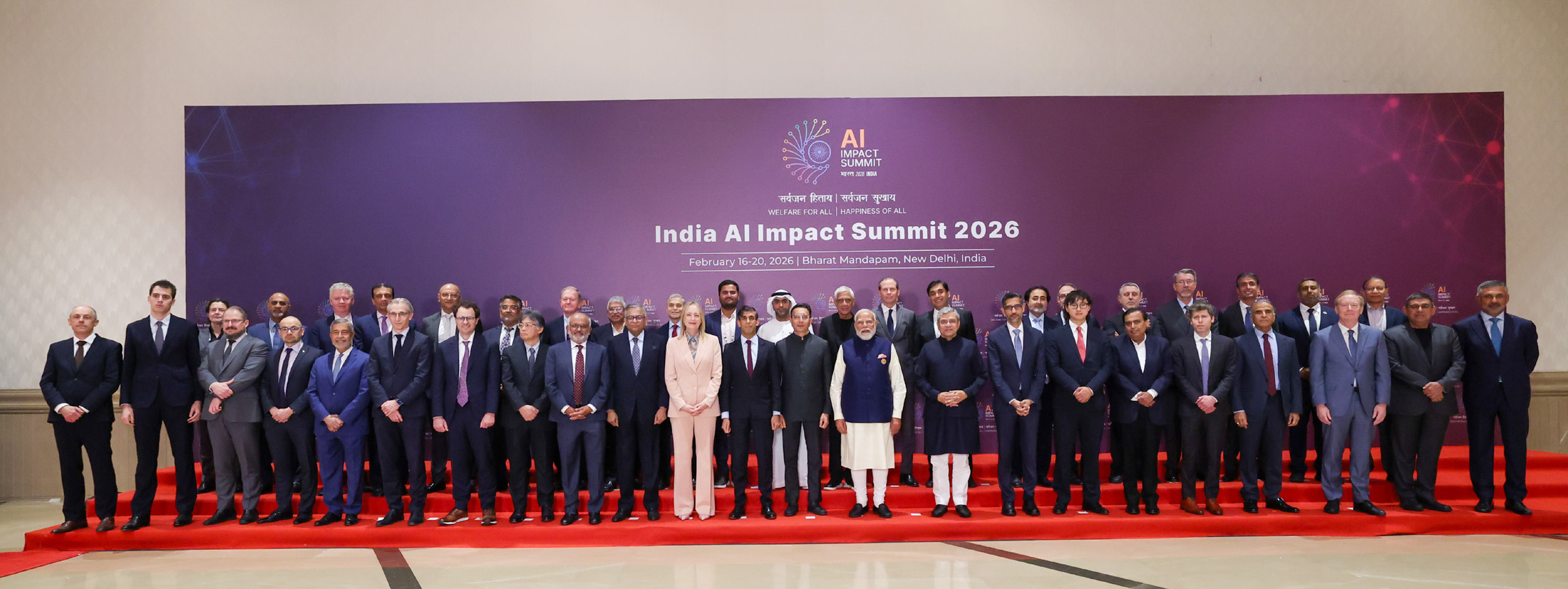
For decades, the narrative of Indian manufacturing followed a predictable, albeit limited, script. We were the “back office of the world” for services, but in the realm of physical goods, we were often seen as a final-mile assembly hub. In the global value chain, India occupied the low-margin basement—importing sophisticated components, snapping them together with cost-effective labour, and shipping them out.However, a quiet revolution is brewing. If the last decade was about “Make in India,” the next decade is about “Innovate and Add Value in India.” As of early 2026, India is no longer content with being the world’s screwdriver;…

Economics of Demographic Change: Can India Turn Its Youth into Wealth

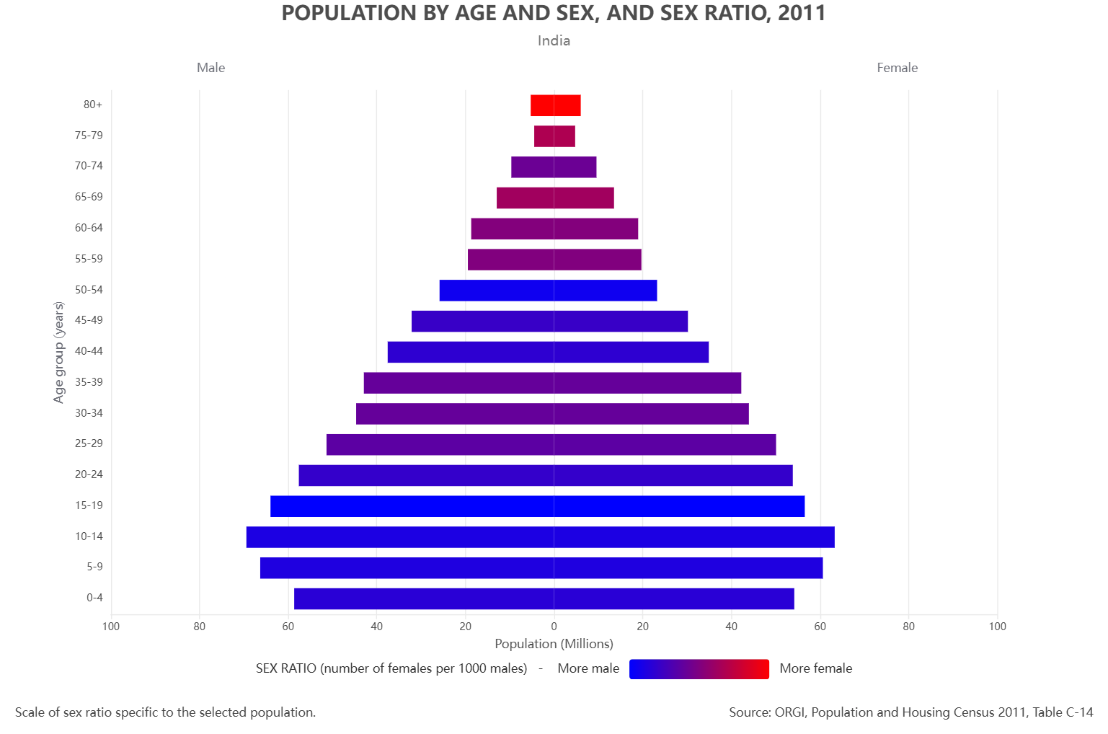
Where the world economies are struggling with declining birth rates, tight labour markets and an ageing population, India is standing at the cusp of an unprecedented opportunity—all thanks to its demography. With the world’s largest youth population with the median age of 28.4 years, India is not only strengthening its competitive advantage but also setting trends in consumer and discretionary spending. According to EY, India will have 1.04 billion working age persons by 2030, highest of any large economy. India’s young population has long been described as its “demographic dividend,” but today, this advantage is more relevant than ever in…