India’s Pivot to China Signals New Asian Power Alignment Amid U.S. Tariff Storm
A seismic shift is brewing in Asia’s geopolitical landscape as India, stung by U.S. tariffs and diplomatic slights, accelerates a cautious but strategic embrace of China, potentially reshaping regional power dynamics and challenging Washington’s influence in the Indo-Pacific. The flurry of India-China agreements announced this week—covering border management, trade, and cultural ties—marks a pragmatic pivot that could see New Delhi and Beijing forge a tactical alliance to counter U.S. economic coercion, with ripple effects for Russia, Pakistan, and the global order.
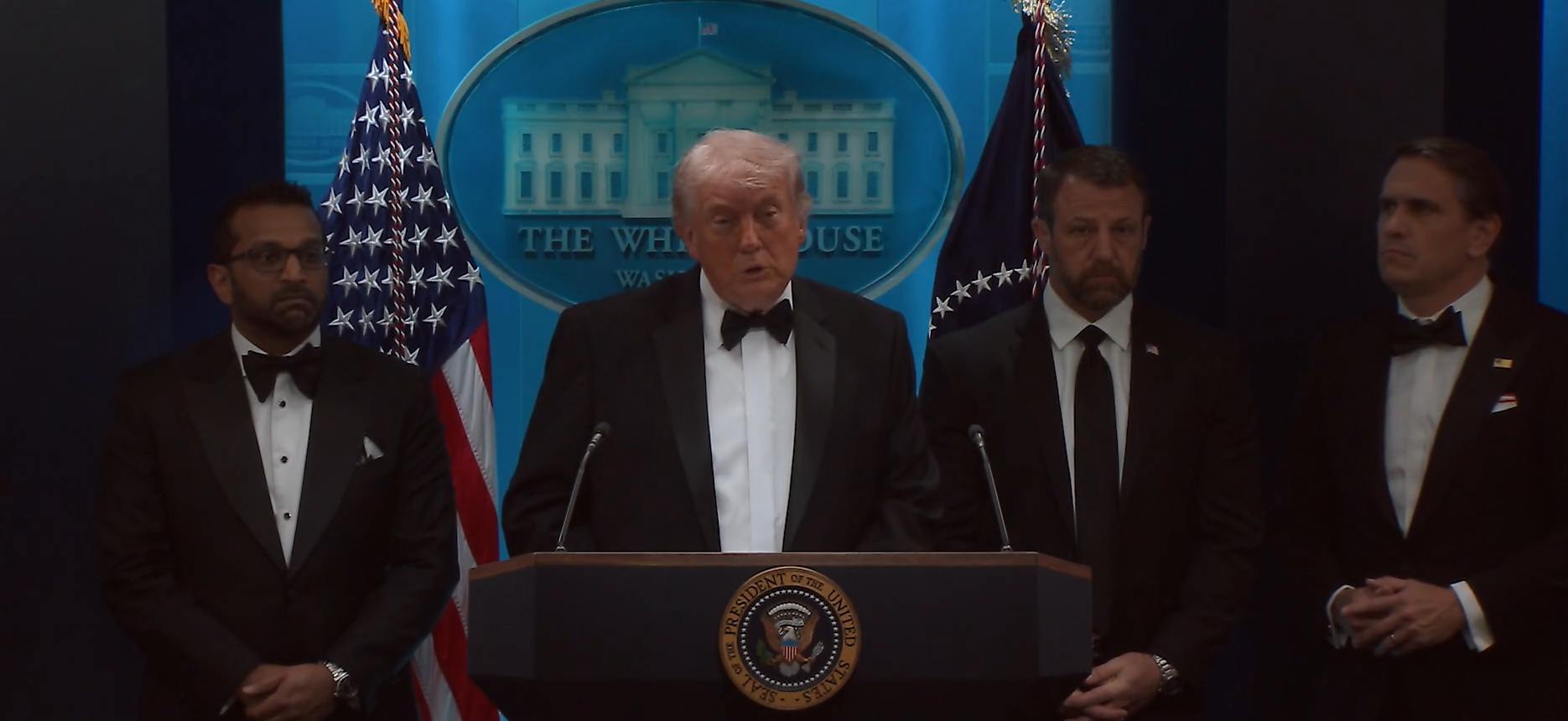
The catalyst for this realignment is unmistakable: U.S. President Donald Trump’s imposition of a 50% tariff on Indian exports, including a 25% penalty for India’s purchase of Russian oil, has pushed New Delhi into a corner. The tariffs, set to take effect Aug. 27, threaten to shave 0.3%-0.4% off India’s GDP in FY2026, according to Care Ratings, imperiling $87 billion in exports to the U.S. in sectors like textiles, leather, and seafood. India’s commerce ministry has decried the tariffs as “unfair, unjustified and unreasonable,” pointing out that China, the largest buyer of Russian oil, faces no such penalties.
The U.S. move, coupled with Trump’s perceived tilt toward Pakistan—evidenced by a preferential 19% tariff rate and hosting Pakistan’s army chief amid claims of brokering an India-Pakistan ceasefire—has left India questioning Washington’s reliability as a strategic partner.
Against this backdrop, India’s outreach to China is not mere opportunism but a calculated bid to secure economic stability and strategic leverage. Chinese Foreign Minister Wang Yi’s visit to New Delhi this week, the first in over three years, yielded a dozen agreements, including resuming direct flights, reopening border trade posts at Lipulekh, Shipki La, and Nathu La, and facilitating Indian access to rare earth minerals and fertilizers. These steps, coupled with plans to ease visa restrictions and expand the Kailash Mansarovar pilgrimage, signal a thaw in ties frozen since the 2020 Galwan Valley clashes.
Between the Lines: A New Asian Axis?
Beneath the diplomatic niceties lies a deeper story: India and China are finding common cause in their shared distrust of U.S. unpredictability. Trump’s selective targeting of India while sparing China, despite Beijing’s 40% share of Russian fossil fuel exports, has exposed Washington’s inconsistent foreign policy. “India’s sovereignty is non-negotiable,” Chinese ambassador Xu Feihong declared, calling Trump a “bully.” This rare public alignment with New Delhi suggests Beijing sees an opportunity to peel India away from the U.S.-led Quad alliance, which includes Japan and Australia.
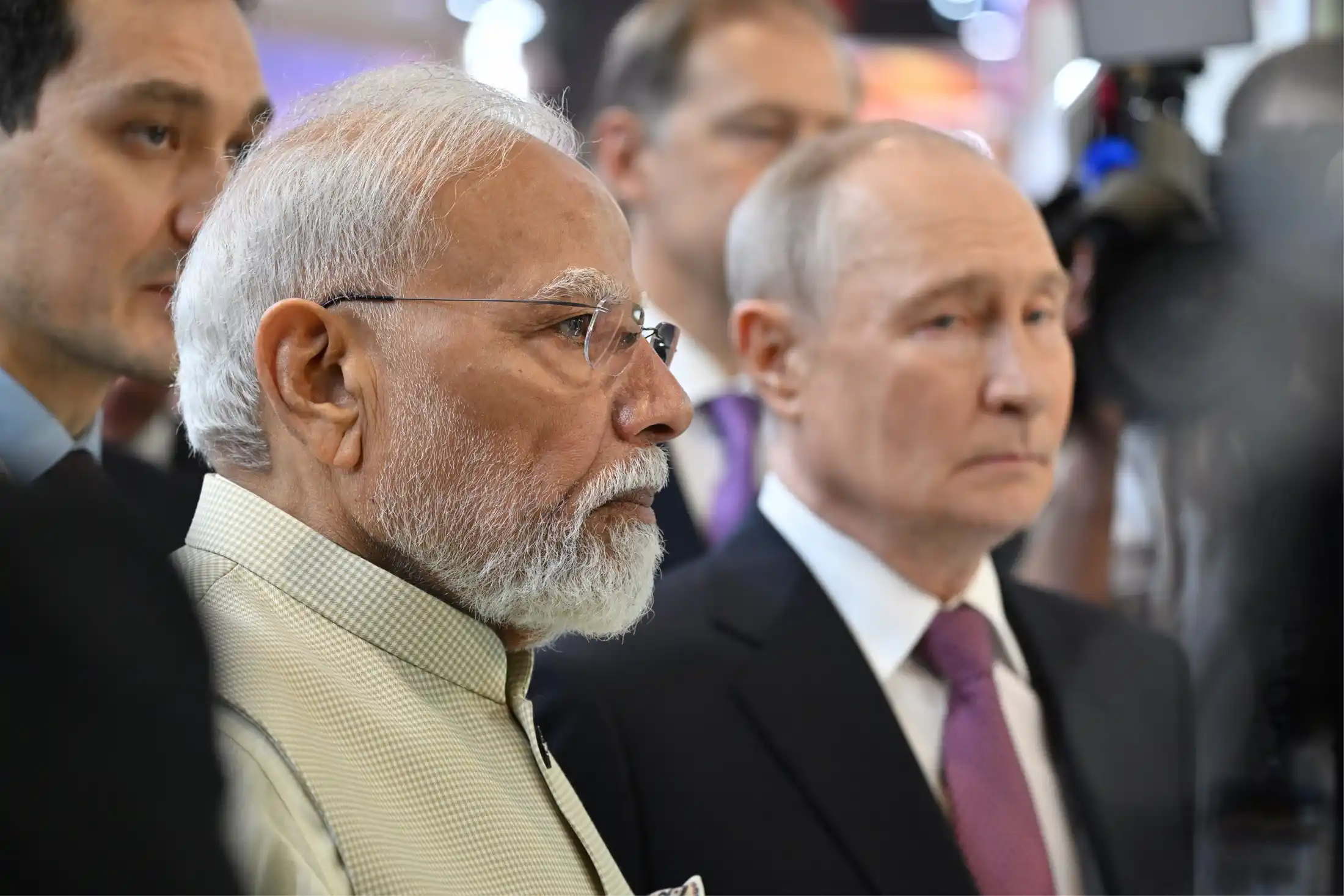
The timing is telling. Prime Minister Narendra Modi’s upcoming visit to China for the Shanghai Cooperation Organization (SCO) summit in Tianjin on August 31-September 1, where he will meet President Xi Jinping, underscores India’s intent to deepen this engagement. The SCO, alongside BRICS, offers a platform for India, China, and Russia to coordinate against Western dominance, particularly as Trump’s tariffs and cryptocurrency push aim to preserve U.S. dollar hegemony. The BRICS nations are signaling a united front against Trump’s trade tactics.
Yet, this convergence is fraught with contradictions. India and China remain strategic rivals, with unresolved border disputes and China’s deep ties to Pakistan, India’s archrival. The 2020 Galwan clashes, which killed 20 Indian and at least four Chinese soldiers, left a scar that lingers, with 50,000-60,000 troops still deployed along the Line of Actual Control (LAC). The new agreements, including expert groups for boundary delimitation and general-level mechanisms for border management, aim to prevent another flare-up but stop short of full de-escalation. This is a clear indication that India’s approach is driven by strategic calculations, not trust.
The Russia Factor and Pakistan’s Shadow
Russia, a long-standing Indian ally, emerges as a critical intermediary in this evolving dynamic. India’s reliance on Russian oil (42% of imports) and arms, including a $5 billion S-400 deal, has drawn U.S. ire but strengthened Moscow’s role as a bridge between New Delhi and Beijing. India’s National Security Advisor Ajit Doval’s recent Moscow visit and President Vladimir Putin’s planned trip to New Delhi underscore this “old strategic and privileged partnership,” as he called it. Russia’s mediation could stabilize India-China ties within the SCO and BRICS frameworks, countering U.S. pressure, experts believe.
Pakistan, however, complicates the equation. China’s “all-weather” alliance with Islamabad, including support for its military and infrastructure, remains a sore point for India. Trump’s engagement with Pakistan, including trade concessions and claims of averting a nuclear war in May 2025, has infuriated New Delhi, which denies any U.S. mediation in the four-day India-Pakistan conflict. Pakistan’s army chief, Field Marshal Asim Munir, recently threatened to “take half the world down” in a crisis, a statement made on U.S. soil that further strained India’s trust in Washington. By aligning closer with China, India may be signaling to Pakistan that it can counter U.S.-Pakistan rapprochement with its own regional leverage.
What’s Next: A Multipolar Gamble
Looking ahead, India’s pivot to China could herald a new Asian power alignment, with profound implications for global geopolitics. If Modi and Xi solidify their cooperation at the SCO summit, they could lay the groundwork for a loose coalition of BRICS nations—India, China, Russia, Brazil, and others—to challenge U.S. economic dominance. This could include bypassing dollar-based trade, a move Trump fears as a threat to U.S. currency influence. “A stronger BRICS alliance is brewing a blowback against Trump’s tariffs,” an Indian official, who is not authories to speak to media, pointed out
Economically, India stands to gain from Chinese supplies of rare earths, critical for its tech and electric vehicle sectors, and fertilizers, vital for agriculture. Resumed border trade and direct flights could boost bilateral commerce, reducing India’s reliance on the U.S. market, which accounts for 18% of its exports. However, the costs are steep: U.S. tariffs could inflate prices for American consumers and disrupt supply chains, as Indian textiles and electronics are key inputs for U.S. industries.
Strategically, India’s pivot may weaken the Quad, undermining U.S. efforts to counter China in the Indo-Pacific. Yet, India is unlikely to fully abandon its U.S. partnership, given shared interests in defense and technology, such as the 2025 NASA-ISRO astronaut mission.
Risks and Red Lines
The India-China rapprochement is not without risks. Deep-seated mistrust, rooted in border tensions and China’s Pakistan ties, could derail progress if either side miscalculates. India’s insistence on countering terrorism, raised during Wang Yi’s visit, subtly targets Pakistan, testing China’s willingness to balance its alliances. Meanwhile, India’s refusal to open its agriculture and dairy sectors, a sticking point in U.S. trade talks, underscores Modi’s domestic political constraints, as these sectors employ 45% of India’s workforce.
For the U.S., the gamble is even riskier. By alienating India, Trump may inadvertently strengthen a China-Russia-India axis, undermining his own goal of ending the Ukraine war by pressuring Russia. If India reduces Russian oil imports under U.S. pressure, global oil prices could spike, fueling U.S. inflation ahead of the 2026 midterms.
A New Global Order?
The India-China thaw, catalyzed by U.S. missteps, could mark the dawn of a multipolar Asia where India plays a pivotal role. By leveraging ties with China and Russia, New Delhi is asserting its strategic autonomy, positioning itself as a linchpin in the Global South. The SCO summit could cement this shift, with Modi and Xi potentially unveiling further economic and security pacts.
Yet, the path forward is fraught. India must navigate China’s regional ambitions, Pakistan’s provocations, and Russia’s mediation while repairing ties with a volatile U.S. administration. For now, New Delhi’s pivot to Beijing is a bold gamble—one that could redefine Asia’s power balance or unravel under the weight of mistrust. As Trump’s tariffs loom, the world watches whether India and China can turn shared grievances into a lasting partnership, or if this is merely a fleeting alignment born of necessity.