Iran-backed Houthi rebels in Yemen have entered the month-old Middle East conflict with missile launches towards Israel, raising the prospect of renewed attacks on commercial shipping in the Bab el-Mandeb Strait and compounding disruptions already caused by the effective closure of the Strait of Hormuz.
The development comes as the United States continues to reinforce its military presence in the region with additional Marines and airborne troops, even as diplomatic efforts involving Pakistan, Saudi Arabia, Turkey and Egypt seek to open channels for de-escalation. Iran has expressed scepticism about these initiatives, while oil prices remain elevated amid fears that simultaneous threats to two critical maritime chokepoints could push global energy markets into deeper turmoil.
Analysts warn that expanded Houthi operations could transform a regional war into a broader maritime security crisis with lasting economic consequences. The Bab el-Mandeb Strait, which links the Red Sea to the Gulf of Aden and serves as the gateway to the Suez Canal, typically carries around 10-12 percent of global maritime trade, including significant portions of oil and container traffic. A sustained campaign against vessels there, similar to Houthi actions between late 2023 and early 2025 that targeted over 100 merchant ships, would force rerouting around the Cape of Good Hope, inflating shipping costs, insurance premiums and delivery times for goods from Asia to Europe and beyond.
The Strait of Hormuz, already under severe strain, accounts for roughly 20-25 percent of seaborne oil trade and about one-fifth of global oil consumption, with daily flows historically exceeding 20 million barrels. Its disruption has already redirected Saudi crude and other Gulf energy exports towards alternative pipelines and longer sea routes, contributing to Brent crude prices fluctuating well above pre-conflict levels. Should the Houthis intensify activities in the Bab el-Mandeb, the combined effect could threaten up to a quarter or more of global seaborne oil supply, potentially driving prices towards or beyond $120 per barrel and triggering wider inflationary pressures on fuel, fertiliser, food and manufactured goods.
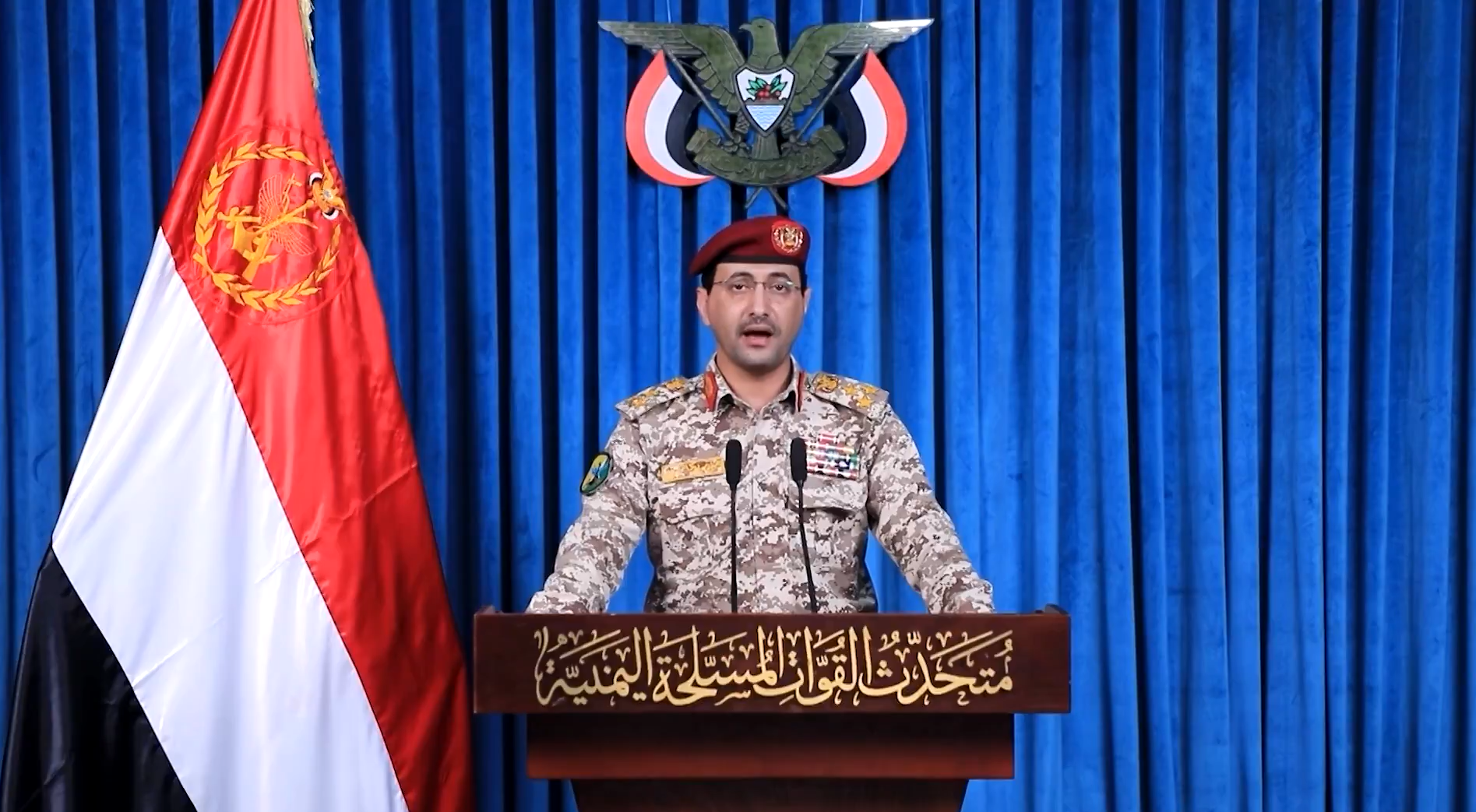
On Saturday, Houthi military spokesman Yahya Saree announced a barrage of ballistic missiles aimed at what the group described as sensitive Israeli military sites in southern Israel. Israeli authorities reported interceptions, with sirens activated near Beer Sheba and areas close to the country’s main nuclear research centre. Overnight, Hezbollah militants in Lebanon also fired on Israeli targets. These actions mark the Houthis’ direct entry into the wider conflict that began with US and Israeli strikes on Iran in late February, which resulted in the deaths of senior Iranian figures including Supreme Leader Ali Khamenei.
The Houthis, who have controlled Yemen’s capital Sanaa since 2014, had largely refrained from major involvement in the current war due to a fragile ceasefire with Saudi Arabia following the 2015-2022 conflict. Their renewed engagement could complicate efforts to contain the fighting and test the uneasy regional balances that have so far limited the spread of hostilities.
Israeli airstrikes continued on Saturday, with footage from the Associated Press showing smoke rising from northeastern Tehran. Iran responded with missile fire towards Israel, wounding 11 people lightly in a town near Jerusalem according to Israeli rescue services. In Lebanon, where Israeli ground operations have advanced in the south, the death toll has surpassed 1,100 since the war began.
Casualties across the region continue to climb. Iranian authorities report more than 1,900 deaths within the Islamic Republic. Israel has recorded 19 fatalities. In Iraq, where Iranian-supported militia groups have become active, at least 80 members of security forces have been killed. Gulf states have seen 20 deaths, with additional casualties reported in the occupied West Bank. The United States has confirmed at least 13 military personnel killed, and sources briefed on the matter, speaking on condition of anonymity, told the Associated Press that more than two dozen US troops were wounded in Iranian attacks on Saudi Arabia’s Prince Sultan Air Base over the past week. The base, located about 96 kilometres from Riyadh and used by both Saudi and US forces, came under multiple strikes, including one on Friday that injured at least 15 troops, five of them seriously.
The US military buildup reflects Washington’s determination to protect key interests while signalling readiness for potential further escalation. Ships carrying some 2,500 Marines have arrived in the region, and at least 1,000 paratroopers from the 82nd Airborne Division — trained for rapid insertion into hostile environments to secure airfields and strategic positions — have been ordered to the Middle East. This reinforcement adds to an already substantial American footprint of around 50,000 troops. US Secretary of State Marco Rubio has stated that American objectives can be met without committing ground forces on a large scale.
President Donald Trump has set a deadline of 6 April for Iran to reopen the Strait of Hormuz, while a US envoy has reportedly conveyed a 15-point action list that includes restrictions on Iran’s nuclear programme. Tehran has rejected the proposal and countered with its own five-point plan that includes demands for reparations and recognition of its sovereignty over the waterway. Iranian Foreign Minister Abbas Araghchi has conveyed scepticism about recent diplomatic overtures in conversations with counterparts, including Turkey’s, accusing the United States of contradictory actions and unreasonable demands.
On the diplomatic front, Pakistan announced that senior diplomats from Saudi Arabia, Turkey and Egypt will arrive in Islamabad on Sunday for two days of discussions aimed at de-escalating tensions. Pakistani Prime Minister Shehbaz Sharif held talks with Iranian President Masoud Pezeshkian on regional hostilities and pathways to peace. However, Iran has signalled limited confidence in these efforts, with state media highlighting doubts over their prospects.
Limited relief may emerge from Iran’s agreement on Friday to permit humanitarian aid and agricultural shipments through the Strait of Hormuz following a United Nations request. Yet analysts caution that such measures offer only marginal respite given the scale of current disruptions to energy and trade flows.
Looking ahead, the entry of the Houthis introduces new variables that could prolong the conflict well beyond the current month. If attacks on shipping in the Bab el-Mandeb intensify, shipping companies may accelerate their shift to costlier alternative routes, further straining global supply chains already tested by the Hormuz situation. This could sustain elevated oil and gas prices into the second half of 2026 and beyond, complicating monetary policy decisions for central banks and slowing economic recovery in import-dependent nations.
The deployment of the USS Gerald R. Ford aircraft carrier, which arrived in Croatia for repairs on Saturday, highlights the logistical challenges facing US naval operations. Redirecting such assets to the Red Sea would expose them to risks similar to those encountered by previous carriers in the region during earlier periods of Houthi activity.
Yemen’s fragile internal dynamics add another layer of complexity. The Houthis’ ability to project power from the Red Sea coast gives them disproportionate influence over maritime security, despite their limited conventional military capabilities. Any Saudi or international response to renewed Houthi strikes could risk unravelling the ceasefire that has held since the previous Yemen war, potentially opening a second major front.
In the longer term, the conflict underscores the vulnerability of global energy architecture to disruption at a handful of narrow maritime passages. With roughly 70 percent of global oil demand reliant on strategic chokepoints overall, sustained instability in Hormuz and the Bab el-Mandeb could accelerate efforts by major economies to diversify supply sources, invest in alternative transport corridors and bolster strategic petroleum reserves.
For now, the war shows few signs of abating. Continued Israeli strikes, Iranian retaliation, Houthi involvement and US reinforcements suggest a trajectory of managed but persistent escalation rather than rapid resolution. Diplomatic initiatives in Islamabad and elsewhere may yield incremental progress on humanitarian issues or limited ceasefires, but core disputes over Iran’s nuclear ambitions, regional influence and control of vital waterways remain deeply entrenched.
The coming weeks will test whether additional American military assets can deter further attacks on shipping and bases without drawing the US deeper into direct combat, and whether regional powers can bridge differences sufficiently to prevent a full-scale multi-front crisis. Failure to contain the maritime dimension risks transforming what began as a targeted campaign against Iranian capabilities into a protracted economic shock with global repercussions extending into 2027 and beyond.
As markets monitor oil inventories, shipping rates and insurance costs, the interplay between military movements and diplomatic manoeuvres will determine whether the region edges towards de-escalation or slides into a broader confrontation whose economic fallout could reshape trade patterns for years.