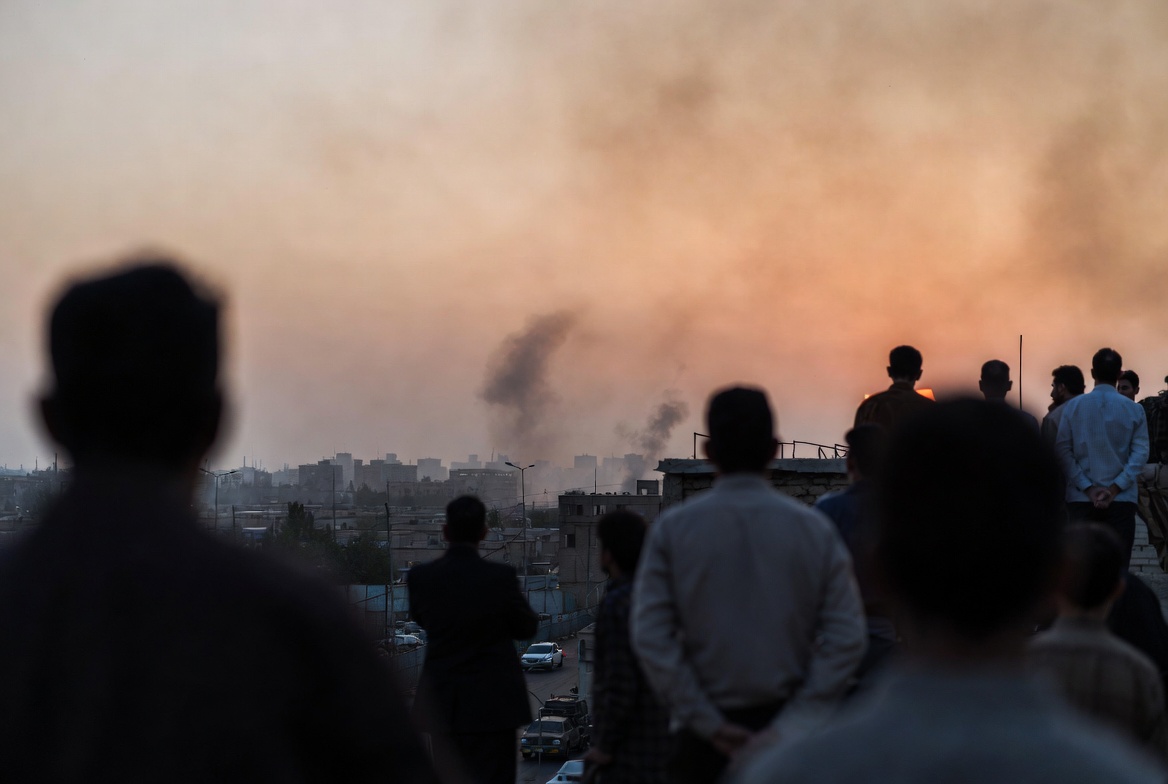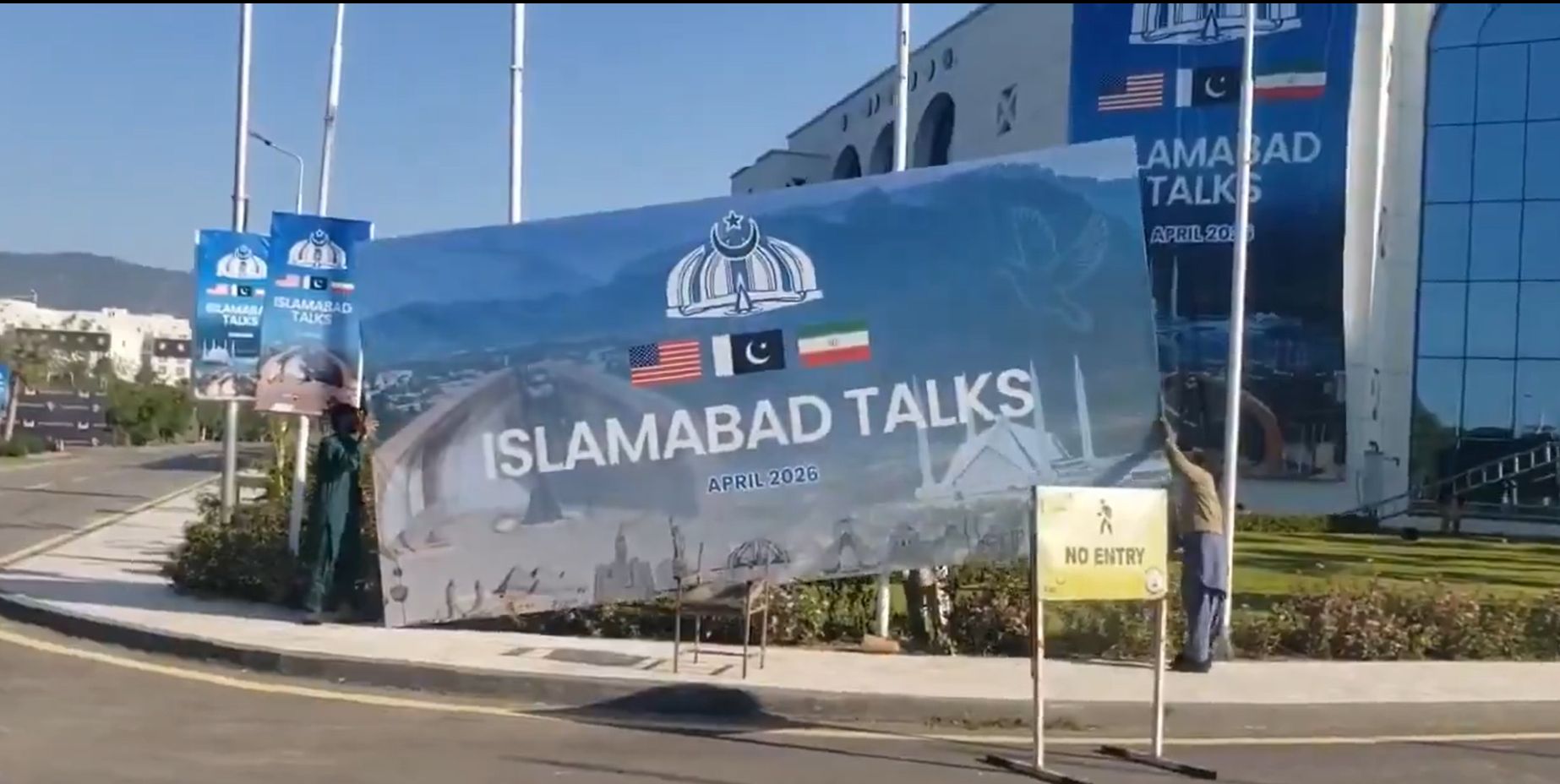
The collapse of direct talks between the United States and Iran in Islamabad marks a sobering setback for efforts to stabilise a region already strained by six weeks of conflict. After 21 hours of negotiations, which began on April 11 and stretched into the early hours of April 12, the two sides departed without an agreement. Vice-President JD Vance, leading the American delegation, described the Iranian response as a refusal to accept Washington’s “final and best offer”. Iranian officials and state media countered that the American demands were excessive and failed to build trust. President Donald Trump, posting on Truth Social shortly afterwards, declared that Iran remained “unwilling to give up its nuclear ambitions” and instructed the US Navy to blockade the Strait of Hormuz.
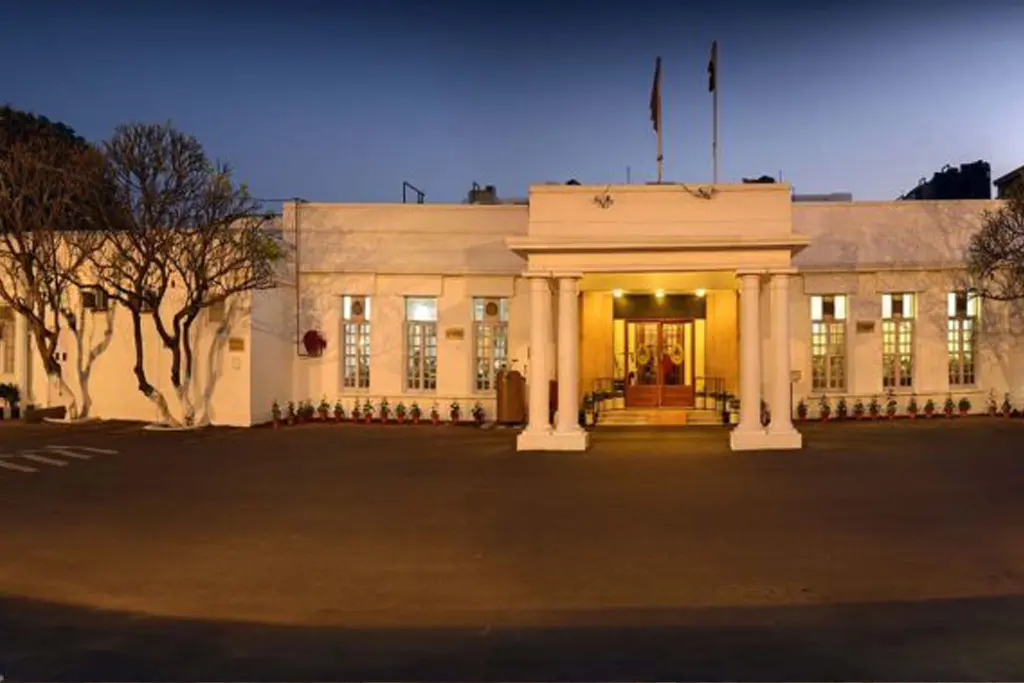
The immediate context is a fragile two-week ceasefire, announced by Mr Trump on April 7, which had paused open hostilities but left core disputes unresolved. Pakistan, which hosted the meetings at the Serena Hotel in its capital, had hoped the talks would yield at least an extension of the truce or a framework for longer-term de-escalation. Instead, the process exposed the depth of the divide. Three issues proved insurmountable: Iran’s nuclear programme, control of the Strait of Hormuz, and the broader regional security architecture.
On the nuclear question, the American position was unambiguous. Washington sought an “affirmative commitment” that Tehran would forswear not only a weapon but the capacity to produce one quickly. This included the removal or sale of roughly 900 pounds of near-bomb-grade enriched uranium and an end to enrichment activities. Iranian negotiators, led by Parliament Speaker Mohammad Bagher Ghalibaf, viewed such terms as a surrender of sovereign rights. Tehran has long insisted its nuclear activities are peaceful; it has repeatedly rejected zero-enrichment demands as non-negotiable. Technical papers were exchanged, but neither side budged. The result was mutual recrimination rather than compromise.
The Strait of Hormuz, through which roughly one-fifth of global oil passes, emerged as an equally intractable flashpoint. Iran had effectively closed or mined the waterway early in the conflict, using it as leverage. The United States insisted on immediate, unrestricted reopening under international norms, free of Iranian tolls or oversight. Iran countered that it would relinquish control only as part of a final settlement that included sanctions relief and an end to regional hostilities. With the talks deadlocked, Mr Trump’s announcement of a naval blockade—framed as “clearing” the strait—shifts the burden back to Tehran while raising the spectre of direct naval confrontation.
Less public but no less contentious were disagreements over sanctions relief, the release of some $27bn in frozen Iranian assets abroad, and the scope of any ceasefire. Iran pressed for an end to Israeli operations in Lebanon and a broader regional pause involving its allies. The American side, conscious of its alliance with Israel, resisted linking the bilateral talks to third-party conflicts. These gaps reflected not merely technical differences but divergent world-views: Washington sought verifiable constraints on Iranian power projection; Tehran demanded recognition of its regional influence and relief from economic pressure.
What, then, happens next? The ceasefire’s short duration—widely understood to expire around April 21—now looms large. Without an extension, the risk of renewed hostilities is real. Oil markets, already volatile, face fresh disruption; early trading in Gulf bourses on April 12 reflected investor nerves. A sustained blockade of the strait, even if enforced selectively, would tighten global energy supplies and push prices higher, with knock-on effects for inflation and growth worldwide. Shipping insurers and energy traders are already recalibrating.
In the longer term, the failure may entrench a new, uncomfortable status quo. Some analysts have suggested that neither side can easily afford full-scale war again, yet both retain tools of pressure. Iran keeps its nuclear latency and Hormuz leverage; the United States retains military superiority and sanctions. A pattern of low-level confrontation—strikes, proxy skirmishes, and economic warfare—could become the default, absent fresh diplomacy. Pakistan, which invested diplomatic capital in the talks, continues to urge restraint, but its influence is limited. China and Russia, long-standing partners of Iran, have stayed largely silent, perhaps waiting to see whether Washington’s blockade escalates or remains rhetorical.
The collapse also raises questions about negotiating strategy. The American approach—intensive, high-level, and framed as a take-it-or-leave-it proposition—reflected a desire for speed after weeks of conflict. Iran, by contrast, appeared to treat the session as one round in a longer game. The absence of incremental confidence-building measures, such as phased sanctions relief tied to verifiable steps on enrichment or the strait, left little room for compromise. Whether future talks can bridge this gap will depend on whether either side perceives a shift in the balance of pain.
Geopolitical observers have offered varied assessments of the fallout. Some note that the talks, though inconclusive, at least clarified red lines without immediate violence—an outcome preferable to outright rupture. Others warn of a dangerous precedent: the weaponisation of a global chokepoint like Hormuz risks normalising economic coercion by both established and rising powers. A minority argue that mutual exhaustion could yet open space for back-channel diplomacy, perhaps involving Oman or other intermediaries, once the immediate temperature cools. Vali Nasr, a professor of Middle East studies at Johns Hopkins University and a leading authority on Iran, captured this possibility shortly after the collapse: the two sides “will reassess back in their capitals and there could be another bite at the apple.”
For now, the region and the world face heightened uncertainty. The Strait of Hormuz, already a symbol of vulnerability, has become the focal point of a broader contest over security, energy, and influence. Whether the coming days bring escalation, stalemate, or a quiet return to the negotiating table remains to be seen. What is clear is that the path to durable peace was never going to be short; the events in Islamabad have simply reminded all parties how steep the climb remains.