As the pre-monsoon heat settles over the paddy fields and bustling lanes of West Bengal, the state is bracing for an assembly election that feels less like a routine renewal of mandate and more like a stress test for India’s federal democracy. Voting will take place in two phases on April 23rd and 29th across all 294 seats, with results due on May 4th. The incumbent All India Trinamool Congress (TMC), led by the indomitable Mamata Banerjee, is seeking a fourth consecutive term. Its principal challenger, Narendra Modi’s Bharatiya Janata Party (BJP), scenting vulnerability after 15 years of TMC rule, has poured national resources into the fray.
In 2021 the TMC crushed the BJP, winning 215 seats to the saffron party’s 77. Opinion polls conducted in March and early April 2026 suggest a markedly tighter contest. Projections vary, but most point to the TMC retaining power with a reduced majority—typically between 140 and 190 seats—while the BJP could nearly double or even triple its previous tally, landing in the 100–150 range. Vote shares are projected to be close: the TMC around 42–44%, the BJP 35–41%. Some surveys, notably from Matrize and others, describe the race as neck-and-neck in several regions, with the possibility of a wafer-thin outcome or even post-poll arithmetic complications. No credible poll currently hands the BJP an outright majority (148 seats needed), though the gap has narrowed dramatically.
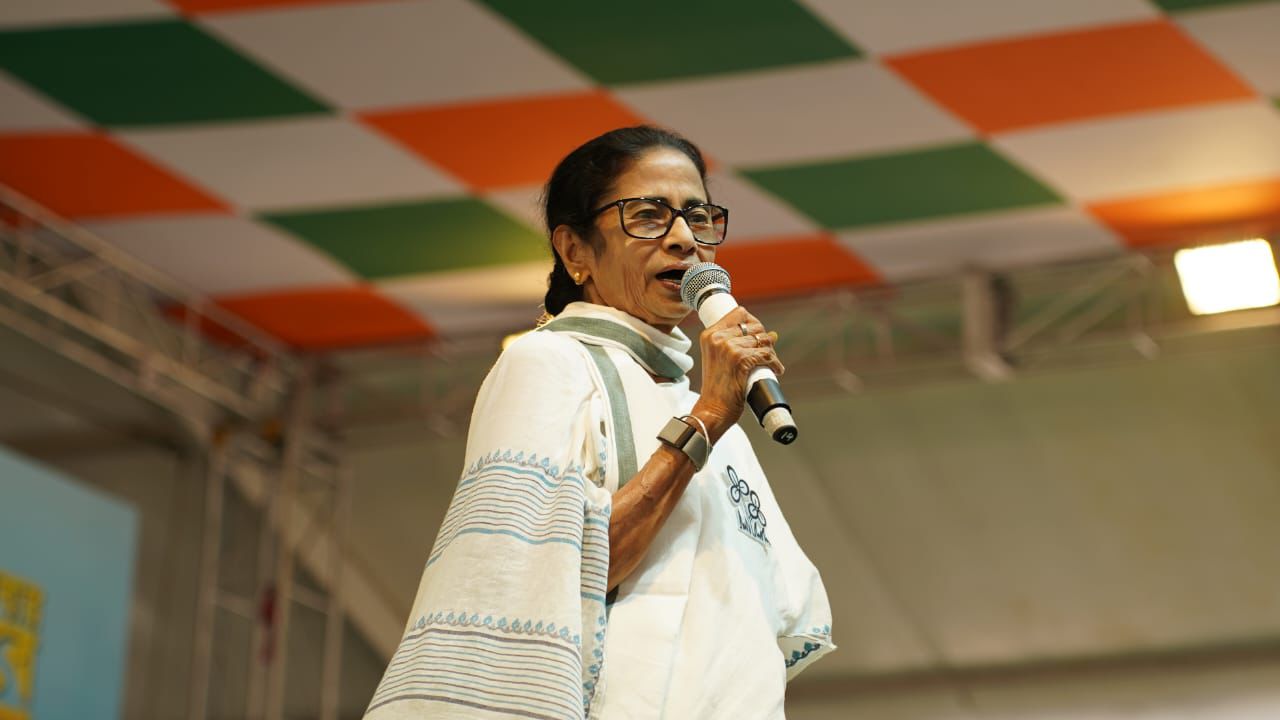
Ms Banerjee, known universally as “Didi”, has built her campaign around a well-oiled welfare machine. Cash-transfer schemes such as Lakshmir Bhandar, which provides monthly stipends to women, have solidified support among female voters and poorer households. The TMC also leans heavily on minority consolidation—Muslims make up roughly 30% of the electorate—and a fierce defence of Bengali sub-nationalism against what it portrays as meddling from New Delhi. The party has replaced dozens of sitting legislators in an apparent bid to blunt anti-incumbency.
Yet the headwinds are real. After a decade and a half in power, the TMC faces accusations of institutional capture, persistent allegations of corruption in recruitment drives, uneven economic performance, high unemployment, and a political culture that critics describe as tolerating violence and intimidation. Law-and-order concerns, youth migration, and rural distress feature prominently in opposition attacks. The BJP, for its part, hammers these themes while promising “double-engine” governance (co-operation between state and centre), better implementation of national schemes, and an end to what it calls “goondagiri” (thuggery). Prime Minister Modi and Home Minister Amit Shah have campaigned vigorously, framing the contest as a battle against misrule and infiltration.
Geography matters. The BJP has made deeper inroads in North Bengal and parts of the western districts, including among some Scheduled Caste, tribal, and anti-incumbency voters. The TMC’s grip remains firmer in South Bengal, Kolkata, and among its traditional base of women and Muslims. Around 57 constituencies decided by razor-thin margins in 2021 could prove decisive. Smaller parties, including remnants of the once-mighty Left Front and Congress, appear marginal in most forecasts, rendering the contest largely bipolar.
The campaign has been predictably heated. Rhetoric has veered into personal attacks, with Ms Banerjee likening the BJP to an untrustworthy “snake” and the BJP accusing the TMC of turning the state into a den of corruption and fear. Fears of post-poll violence have prompted the deployment of additional central forces. Both sides trade charges of intimidation and electoral malpractice.
For India’s broader politics, the outcome carries symbolic weight. A comfortable TMC victory, even diminished, would illustrate the enduring potency of localised welfare populism and strong regional identity in checking the BJP’s national juggernaut. It would highlight how cash handouts, booth-level organisation, and sub-national pride can still outweigh appeals to Hindutva or central schemes in certain pockets. Conversely, a sharp rise in BJP seats—approaching or even surpassing 140—would signal continuing erosion of the TMC’s once-hegemonic hold and give the saffron party fresh momentum in eastern India ahead of national battles later this decade.
Either way, the winner will inherit a state with stubborn structural problems: creaking infrastructure in many districts, sluggish industrial investment, brain drain among the young, and deep social cleavages. West Bengal’s politics have long been marked by intensity and occasional violence; this election is unlikely to change that reputation entirely.
In the end, Bengal’s voters will deliver a verdict that is unlikely to be decisive or tidy. Indian elections, for all their raucous energy, often produce messy compromises that reflect the country’s federal complexity rather than any clean ideological triumph. The dance in Kolkata and the districts—between patronage and aspiration, regional pride and national ambition—continues, bruised but stubbornly resilient. The real test of governance begins on May 5th.