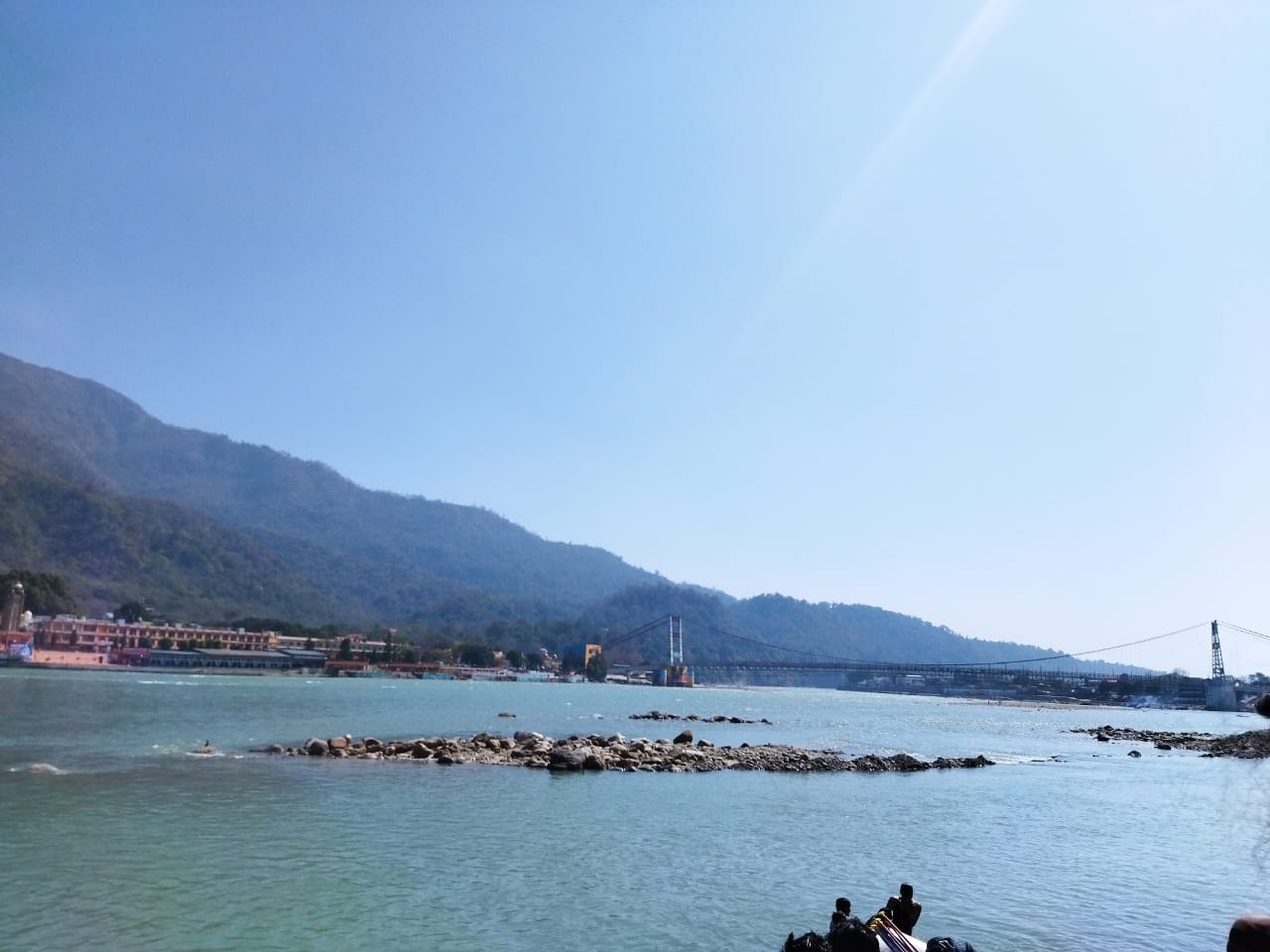
In the shadow of the Himalayas, where the Ganga flows past the pilgrimage town of Rishikesh, a sleek 19-seater seaplane touched down on the river’s surface earlier this month. The successful trial on 6 April by SkyHop Aviation, using a modified De Havilland Canada DHC-6 Twin Otter, marked a step towards India’s first commercial seaplane service. Proponents see it as a clever solution to connect remote hill destinations where building airports is impractical, potentially boosting tourism in Uttarakhand and easing access for pilgrims and visitors alike.
Yet just days later, the plan has run into determined opposition from environmentalists who warn that regular operations at the Pashulok Ganga Barrage could threaten an already fragile ecosystem and the cultural soul of one of Hinduism’s holiest waterways.
Vinod Prasad Juglan, a member of the Namami Gange programme’s Dehradun Zila Samiti, has urged the government to pause the project. The reservoir behind the barrage, he argues, serves as critical habitat for endangered species including the Gangetic dolphin, crocodiles and the prized Golden Mahseer fish. Regular seaplane take-offs and landings would churn the water with powerful turbulence and send intense underwater noise through the river, disrupting the life cycles of aquatic creatures, including turtles.
Gangetic dolphins, which are nearly blind and rely entirely on echolocation to hunt and navigate, are particularly vulnerable. Research on vessel traffic in the Ganga has shown that engine noise can mask their clicks, raise stress levels, alter feeding behaviour and increase the risk of collisions. In a confined barrage reservoir, the repeated disturbances from seaplanes could compound existing pressures on a species already listed as endangered.
Juglan also points to potential knock-on effects for larger mammals. Wild elephants from the adjacent Rajaji National Park regularly visit the Ganga to drink. Frequent aircraft activity, with its noise and surface disturbance, could obstruct their traditional access points and push them towards human settlements and busy roads, such as the route to Neelkanth Mahadev. India already grapples with rising human-elephant conflict; adding another source of disruption near a protected area risks making a difficult situation worse.
The noise would not stop at the waterline. Juglan warns that engine roar would disturb coastal bird populations as well.
Beyond ecology, the objection carries a deeper cultural resonance. Rishikesh and the stretch of the Ganga here are not merely a scenic backdrop but a place of profound religious significance for millions of Hindus. Converting a pilgrimage site into a hub for adventure tourism, Juglan says, risks altering its essential character and wounding the faith of devotees. He invokes ancient texts such as the Skanda Purana, noting how other sacred rivers have already lost their form through neglect, and calls for prioritising spiritual heritage over commercial thrill-seeking.
The project’s backers, including SkyHop Aviation and state officials, frame the initiative as part of a broader push to improve connectivity in a mountainous region. Future trials are planned for places such as Tehri Lake, with an eye on services that could reduce journey times for pilgrims and tourists alike. SkyHop is working with India’s aviation regulator, the DGCA, towards securing the necessary approvals.
The tension playing out at Pashulok Barrage is familiar in modern India: the drive for economic growth and innovative infrastructure colliding with the imperative to protect biodiversity and cultural traditions. The Ganga, often called Mother Ganga, is both a living river under stress and a symbol of faith. Its waters already contend with pollution, dams and heavy human use.
Juglan’s call is not to reject development outright but to apply the precautionary principle in a sensitive zone. He has asked the government to reconsider and postpone operations at the barrage to safeguard ecological balance.
Whether the seaplane project proceeds, and in what form, will test how India balances its ambitions for a modern tourism economy with the protection of an iconic river and the creatures that depend on it. For now, the waters at Rishikesh remain a place where ancient reverence and 21st-century innovation meet — and where the outcome remains uncertain.