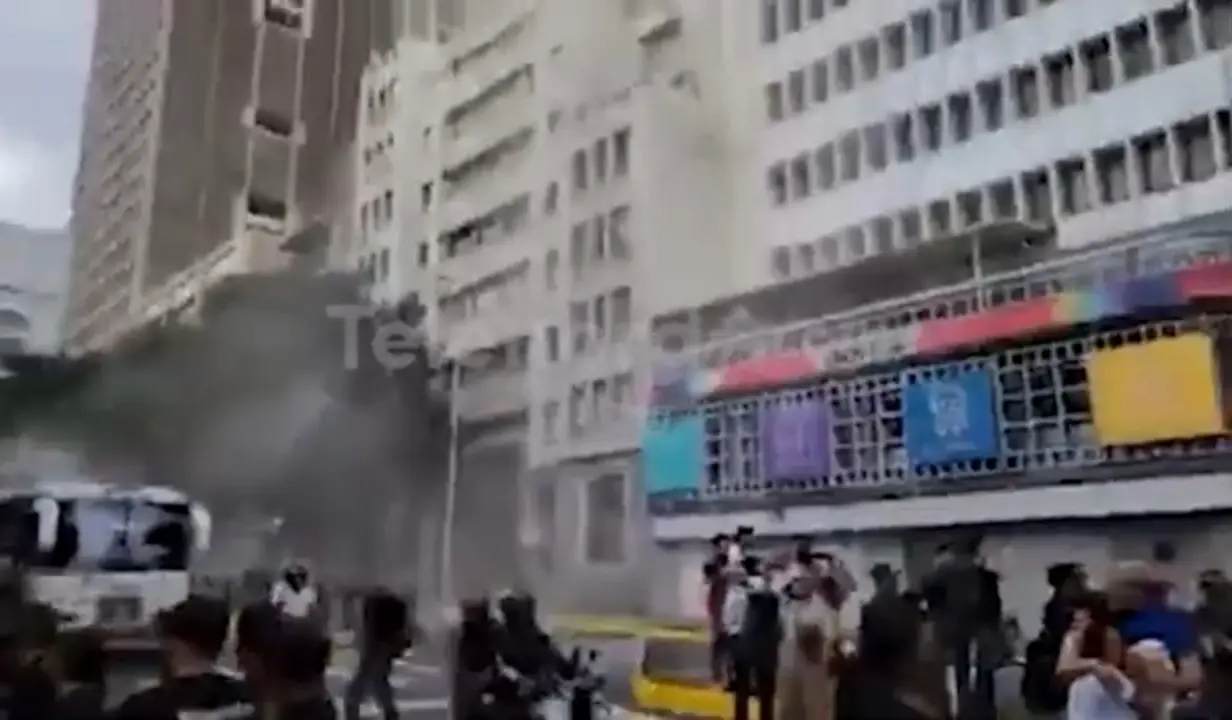
In the rubble of what was once a Caracas neighbourhood, a small hand waved weakly from a collapsed concrete slab. Rescue workers, their faces streaked with dust and exhaustion, paused only to listen for another faint cry. Days after twin earthquakes—magnitudes 7.2 and 7.5—struck Venezuela, the window for miracles is closing. Official tallies speak of more than 900 dead, with hundreds still feared trapped. Yet the true measure of this disaster lies not only in the numbers but in what comes next: a race between hope and harsh reality in a country already wearily familiar with crisis.
Venezuela’s earthquakes are a natural tragedy layered upon years of man-made strain. The faults that ruptured lie along a complex tectonic boundary, but the vulnerability of its cities reflects deeper failings. Many buildings, especially in poorer districts, were never built or maintained to withstand such forces. Hospitals strained before the first tremor; roads and ports already creaked under decades of underinvestment. When the ground shook, it exposed what governance and economics had long neglected.
Voices from the rubble
Maria Elena Rodriguez, a schoolteacher in her fifties, survived because her modest flat was on the ground floor. “The world moved like the sea,” she recalled, her voice still shaky. “Then came the dust and the dark.” She clambered out with neighbours, only to spend the next 48 hours digging with bare hands for a family three doors down. They found the father alive; the children, sadly, did not. Her story echoes across the affected regions: ordinary Venezuelans displaying remarkable solidarity amid official chaos.
For rescuers like Lieutenant Carlos Mendoza of the national emergency service, the work is relentless. “We sleep in shifts of two hours,” he said during a brief break. Teams from Colombia, Brazil, Mexico, and further afield have joined them, bringing sniffer dogs, thermal cameras, and heavy-lifting gear. The international response has been swift on paper, yet coordination on the ground remains patchy. Aid convoys face the same logistical headaches that have plagued Venezuela for years: fuel shortages, bureaucratic mistrust, and damaged infrastructure.
One bright spot has been the Venezuelan diaspora. From Miami to Madrid, expatriates have mobilised remittances, medical supplies, and expertise. A surgeon who left a decade ago returned to operate in makeshift tents. “This is not politics,” he insisted. “It is family.” Such human bridges matter in a polarised nation, offering glimmers of unity that official rhetoric rarely achieves.
The long road to rebuilding
Natural disasters test governments. In Venezuela’s case, the test is severe. The economy, long hobbled by mismanagement, oil dependence, and sanctions, has little fiscal cushion. Rebuilding will require billions—money that Caracas will struggle to raise without strings attached. International donors are wary after years of disputed elections, corruption allegations, and diverted aid in the past. Trust, once broken, is as hard to reconstruct as shattered homes.
The human toll extends far beyond the death count. Thousands are injured; many more displaced. Schools and clinics lie in ruins, threatening a lost generation in a country where education and health were already fraying. Disease risks rise in crowded shelters as sanitation falters. Psychologists warn of widespread trauma, particularly among children who have known little but instability.
Yet disasters can also catalyse reform—if leaders seize the moment. Chile’s response to its 2010 earthquake strengthened building codes and civil defence. Japan turned catastrophe into advances in resilience. Venezuela has an opportunity, however painful, to rethink urban planning, enforce better standards, and diversify an economy dangerously exposed to both seismic and commodity shocks. Whether its fractured politics allow such reflection is another question.
Geopolitics of compassion
The international community faces its own dilemmas. Neighbours such as Colombia, itself hosting millions of Venezuelan migrants, have offered help while managing domestic pressures. Further afield, the United States and Europe weigh humanitarian impulses against political calculations. China and Russia, long supporters of the government in Caracas, have signalled assistance—but strings are often attached. Aid, in today’s world, is rarely apolitical.
For ordinary Venezuelans, such calculations feel distant. What matters is clean water, a tent that does not leak, and news of missing relatives. In barrios where the state has long been absent, community groups and churches have stepped into the breach, organising food distributions and temporary schools. Their quiet competence contrasts with the grand promises sometimes issued from official podiums.
Lessons beyond the Andes
Venezuela’s tragedy carries warnings for a world increasingly buffeted by extreme events. Climate change may not have caused these particular quakes, but it amplifies overall risks—through heavier rains that destabilise slopes or stressed infrastructure less able to cope. Urbanisation in seismic zones, often unplanned and unequal, multiplies the human cost. Rich countries are not immune, as Turkey’s experience in 2023 grimly illustrated: poor construction standards turned moderate tremors into disasters.
For Venezuela itself, the path forward is daunting. Rebuilding homes is one task; rebuilding confidence and institutions quite another. The country possesses oil reserves, a young population, and agricultural potential. Harnessing them effectively after this disaster would require governance focused on delivery rather than ideology. Outsiders can help with funds and expertise, but sustainable recovery must ultimately be Venezuelan-led.
As the aftershocks continue to rumble, the immediate priority remains saving those still trapped. Each life recovered is a small victory against entropy. Yet the greater test will come in the months and years ahead: whether Venezuela can turn rubble into resilience, or whether this earthquake joins the long list of crises that exposed problems without prompting lasting change. The clock ticks—not just for those under the ruins, but for a nation seeking firmer ground.